
Module 1: Introduction to Food Safety
Good evening everyone, and welcome.
Let’s start with a simple but powerful truth: food safety is not optional, and it is not about luck. Every meal served to a customer carries responsibility. One mistake, one shortcut, one careless moment can lead to illness, business closure, loss of trust, or even loss of life.
Food safety is the systematic control of hazards that can make food unsafe for human consumption. These hazards are not always visible. Food can look clean, smell good, and still be dangerous. That is why food safety relies on knowledge, discipline, and consistent practice, not guesswork.
As food handlers, supervisors, or managers, you are the first and most important line of defense. No inspector, manager, or policy can replace what happens at the point of preparation, storage, and service. Foodborne diseases occur not because people are ignorant, but because procedures are ignored, rushed, or assumed to be unnecessary.
Globally, millions of people fall ill each year due to unsafe food. Locally, food businesses are shut down, fined, or permanently damaged because of preventable food safety failures. In today’s world, one complaint, one viral post, or one inspection report can destroy a business built over years.
Food safety is not only about protecting customers. It also protects your job, your reputation, and your professional future. Employers increasingly demand trained and certified staff because mistakes are costly and unforgiving.
Throughout this training, you will be challenged to unlearn unsafe habits, understand risks you may have ignored, and adopt best practices that meet local and international standards. This is not theoretical knowledge. It is practical, real-world, and directly linked to what you do every day.
By the end of this session, you should clearly understand why food safety matters, what is at stake, and your personal responsibility in preventing foodborne illness.
Food safety starts with awareness — and today, that responsibility begins with you.

Its a busy food stall in Lagos, near a bustling market. It’s early morning, and traders, commuters, and students are lining up for breakfast. The owner, Mr. Chike, prides himself on serving delicious local dishes—akara, moi moi, and freshly fried plantains.
It’s a hectic day. The stall is crowded. Mr. Chike’s assistant, Aisha, is preparing the food quickly to keep up with demand. In her rush:
→ She skips washing her hands after handling raw beans for moi moi.
→ She accidentally uses the same knife and cutting board for raw beans and sliced vegetables for akara toppings.
→ She notices that some leftover oil from yesterday is still in the container but decides to use it anyway.
Customers start eating. At first, everything seems fine. But within hours:
→ Several people return complaining of stomach pains, vomiting, and diarrhea.
→ Word spreads fast—some customers post about it on WhatsApp groups and social media.
→ Health inspectors arrive and find poor hygiene, contaminated equipment, and unsafe storage practices.
The consequences?
→ The stall is closed temporarily for inspection and sanitation.
→ Mr. Chike loses trust and regular customers, and income drops sharply.
→ Some customers require medical attention, and there’s potential for legal action.
→ The entire staff is now under scrutiny, and morale is low.
This situation could have been completely prevented. One moment of carelessness—skipping handwashing, using contaminated oil, and cross-contamination—led to serious consequences.
The lesson:
Food safety is not optional, and it’s not about luck. Every single action in food handling matters. Whether you are preparing food in a high-end restaurant, a street stall in Lagos, or a cafeteria in Abuja, responsibility rests with you. One small mistake can escalate quickly.
So as we begin this training, remember: you are the gatekeepers of health, trust, and reputation. Your competence in food safety can literally save lives.
What Food Safety Means and Why It Matters
Food safety means ensuring that food is handled, prepared, stored, and served in a way that prevents harm to the consumer. It is the deliberate control of risks that can cause illness, injury, or death. Food safety is not about intention; it is about outcome. Good intentions do not prevent food poisoning—correct practices do.
Food safety matters because food is a direct pathway into the human body. When food is unsafe, the damage is immediate and sometimes irreversible. Children, the elderly, pregnant women, and people with weak immune systems are especially vulnerable. What may cause mild discomfort in one person can be fatal in another.
From a business perspective, food safety is about survival. One outbreak can result in lawsuits, regulatory penalties, closure of operations, and permanent loss of customer trust. In the age of social media, bad news travels faster than facts. A single incident can destroy a brand overnight.
Food safety also matters because it is a legal and professional obligation. Regulations exist to protect the public, and failure to comply is not excused by ignorance. Every food handler is accountable, whether working in a small kitchen, a hotel, a hospital, or a large production facility.
Most importantly, food safety matters because it is about human life and dignity. Every person deserves food that nourishes, not food that harms. When you follow food safety rules, you are not just doing your job—you are protecting lives, livelihoods, and your own professional credibility.
Food safety is not extra work. It is the foundation of all food operations.
🍽️ History of Food Safety
Before we dive into rules and practices, let’s understand why food safety even exists—it’s not just “extra work,” it’s life-saving history lessons.
1️⃣ Ancient times 🏺
→ People noticed spoiled food made them sick—even back in ancient Egypt, Rome, and China.
→ Early methods: salting, drying, smoking, and fermentation to preserve food. Not perfect, but it saved lives!
2️⃣ Middle Ages & the 1800s ⚔️
→ Foodborne illness outbreaks were common—“fevers” and “plagues” often came from contaminated food or water.
→ Laws began slowly appearing to regulate markets, bakeries, and meat handling in Europe.
3️⃣ Industrial Revolution 🏭
→ Mass food production introduced new dangers—preservatives, poor hygiene, and contaminated water caused major outbreaks.
→ 19th-century scientists like Louis Pasteur discovered microbes, leading to pasteurization and safer food handling.
4️⃣ Modern food safety 🧪
→ 20th century: governments introduced strict regulations, inspections, and certifications.
→ Concepts like HACCP (Hazard Analysis Critical Control Points) were developed to prevent contamination before it happens.
→ Today: personal hygiene, temperature control, labeling, and sanitation are standard worldwide.
5️⃣ Why it matters today ⚡
→ Food safety isn’t just rules—it’s a direct response to centuries of illness and death from contaminated food.
→ Every action you take—washing hands, storing food properly, avoiding cross-contamination—is part of a global history of saving lives.
⚡ Remember: Food safety is not optional. You are continuing a long history of protecting people from illness. Every step you take matters.
Foodborne Illnesses: Causes and Consequences
Foodborne illnesses occur when people consume food or drinks that are contaminated with harmful agents. These illnesses are not random events; they are the result of failures in food safety practices. In most cases, they are entirely preventable.
The causes of foodborne illnesses fall into three main categories.
First, biological causes, such as bacteria, viruses, and parasites. These include organisms that multiply rapidly when food is poorly stored, undercooked, or handled with dirty hands and equipment.
Second, chemical causes, including cleaning agents, pesticides, food additives, or allergens entering food unintentionally.
Third, physical causes, such as hair, glass, metal, or other foreign objects contaminating food.
Foodborne illnesses often begin with simple mistakes: improper handwashing, cross-contamination between raw and cooked food, incorrect cooking temperatures, unsafe storage, or ignoring hygiene rules when ill. These are not complex failures; they are basic controls being neglected.
The consequences can be severe. For consumers, foodborne illness can cause vomiting, diarrhea, dehydration, long-term health complications, or death. For vulnerable groups—children, pregnant women, the elderly, and the sick—the impact is far greater and sometimes permanent.
For food businesses and staff, the consequences include loss of trust, legal action, fines, closure of operations, and damaged careers. A single outbreak can end a business, regardless of how long it has operated successfully.
Foodborne illnesses are a clear reminder that every step in food handling matters. When food safety rules are ignored, the consequences are real, measurable, and often irreversible. Preventing foodborne illness is not just good practice—it is a professional and moral responsibility.
Responsibilities of Food Handlers and Organizations
Food safety does not happen by accident. It is the result of clear responsibilities being understood and consistently carried out by both individuals and organizations. When responsibility is unclear or ignored, food safety fails.
As a food handler, your responsibility begins with personal discipline. You are expected to follow hygiene rules at all times, wash hands correctly, use protective clothing, and handle food in a way that prevents contamination. You must work only when fit to do so and report illness immediately. Experience does not replace procedure, and shortcuts are not acceptable. Every action you take directly affects the safety of the food you serve.
Food handlers are also responsible for following instructions and standard operating procedures, even when unsupervised. Safety rules apply during busy periods, late shifts, and high-pressure situations. Ignoring one step can compromise the entire process.
Organizations, on the other hand, carry the responsibility of creating a safe system. This includes providing proper training, clean facilities, safe equipment, and clear food safety policies. Management must ensure that food safety standards are not only written but enforced. A culture that tolerates unsafe practices is a leadership failure.
Organizations are also responsible for monitoring, supervision, documentation, and corrective action. When problems occur, they must be addressed immediately—not ignored or covered up. Compliance with food safety laws and standards is not optional, and responsibility cannot be shifted to junior staff.
Food safety is a shared duty. When food handlers and organizations work together, risks are controlled. When either side fails, the consequences affect customers, staff, and the business as a whole. Accountability at every level is the foundation of safe food operations.
Module 2: Types of Food Hazards
In food safety, the real danger is often what you cannot see. Food hazards do not announce themselves, and they do not always change the appearance, smell, or taste of food. Yet their impact can be immediate and severe. Understanding food hazards is therefore not optional—it is essential.
A food hazard is anything that can make food unsafe for consumption. Hazards can enter food at any stage: purchasing, storage, preparation, cooking, serving, or cleaning. Many outbreaks occur not because hazards were unknown, but because they were underestimated or ignored.
This session focuses on identifying the main types of food hazards and recognizing how they enter the food chain. Once you understand the nature of these hazards, you can control them. If you fail to recognize them, you cannot prevent them.
Every food handler must be able to look at an operation and ask the right questions: What could go wrong here? Where could contamination occur? What control is missing? This mindset is the foundation of both food safety and HACCP.
As we go through this session, remember this: you cannot control what you do not recognize. Learning to identify food hazards is the first step toward preventing foodborne illness and protecting the people who trust you with their food.
At a primary school in Enugu city, hundreds of children are served lunch daily—mostly stews, rice, beans, and fish—through a government-subsidized school feeding program. The kitchen is managed by Mrs. Ifeoma, an experienced cook, assisted by a small team.
On a particular day:
→ Mrs. Ifeoma prepares steamed rice and peppered fish early in the morning, leaving the dishes uncovered on the counter for hours because she is busy cooking other meals.
→ Vegetables for the salad are washed in a container that hadn’t been cleaned since yesterday, harboring bacteria.
→ One of the staff, Chinonso, comes to work with mild flu symptoms, ignoring proper hygiene protocols.
→ Gloves and aprons are used inconsistently, and raw fish is handled on the same surface as cooked rice.
By mid-afternoon:
→ Several children begin experiencing vomiting, stomach pains, and diarrhea. Parents rush their kids to the hospital.
→ Health inspectors arrive and discover: the rice had been sitting in the danger zone (5–60°C) too long, and cross-contamination between raw fish and cooked foods introduced Salmonella and Staphylococcus bacteria.
Consequences:
→ Over 50 children fall ill, and a few require hospitalization.
→ The school is temporarily shut down for inspection.
→ The catering company supplying the food faces government sanctions and loss of contracts.
→ Staff morale drops, and parents lose trust in the school’s feeding program.
Lesson:
Foodborne illnesses are entirely preventable. One lapse in hygiene, temperature control, or cross-contamination can impact dozens of people at once, especially in large-scale food services.
⚡ Remember: As a food handler or safety professional, your actions directly protect lives. There’s no room for shortcuts.
Biological Hazards in Food Safety
Biological hazards are microorganisms that can contaminate food and cause illness. These hazards often grow or survive due to poor hygiene, unsafe storage, or improper cooking.
Common types and examples:
- Bacteria – single-celled organisms that can multiply quickly in food.
- Examples:
- Salmonella – found in eggs, poultry, and raw meat; causes food poisoning.
- E. coli – can be present in undercooked beef, unpasteurized milk, or contaminated vegetables; may cause severe gastrointestinal illness.
- Listeria monocytogenes – found in soft cheeses, deli meats; dangerous for pregnant women.
- Staphylococcus aureus – found on skin, nose, and cuts; produces toxins in improperly stored foods.
- Risk: vomiting, diarrhea, fever, or more severe illness.
- Examples:
- Viruses – smaller than bacteria; can survive on surfaces and in contaminated food or water.
- Examples:
- Norovirus – common in ready-to-eat foods and shellfish; causes gastroenteritis.
- Hepatitis A – found in contaminated water or food; affects the liver.
- Risk: stomach illness, liver damage, dehydration.
- Examples:
- Parasites – organisms that live in or on a host and can contaminate food.
- Examples:
- Giardia – from contaminated water or fresh produce; causes diarrhea.
- Trichinella – in undercooked pork; causes trichinosis.
- Toxoplasma gondii – from undercooked meat or contaminated soil; dangerous for pregnant women.
- Risk: digestive problems, fever, or severe infection in vulnerable populations.
- Examples:
- Fungi and Molds – can grow on food, producing toxins (mycotoxins).
- Examples:
- Aspergillus – produces aflatoxins in nuts, grains, and cereals.
- Penicillium – may grow on spoiled bread or fruits.
- Risk: allergic reactions, liver damage, or food spoilage.
- Examples:
- Other microorganisms – microbes that can spoil food or make it unsafe.
- Examples: yeasts in improperly stored beverages, bacteria causing spoilage of dairy or meat products.
- Risk: reduced shelf-life, off-flavors, and foodborne illness.
Key training points for staff:
- Maintain proper personal hygiene (handwashing, clean uniforms, gloves).
- Store food at safe temperatures (cold below 5°C, hot above 60°C).
- Cook foods to the recommended internal temperatures.
- Prevent cross-contamination between raw and cooked foods.
- Wash fruits and vegetables thoroughly.
- Ensure safe water supply and sanitation in food preparation areas.
- Train staff to recognize signs of spoilage and microbial contamination.
- Use pest control measures to prevent contamination from rodents and insects.
Chemical Hazards (Cleaners, Pesticides, Allergens, and Other Chemicals)
Chemical hazards occur when harmful chemical substances contaminate food, either directly or indirectly. These hazards are often invisible, tasteless, and odorless, making them especially dangerous. Unlike biological hazards, chemical contamination usually results from human error, poor systems, or weak supervision, not natural processes.
Cleaning agents and sanitizers are the most common source of chemical hazards in food environments. These include detergents, disinfectants, degreasers, bleach, and hand sanitizers. When chemicals are stored near food, transferred into unlabelled containers, mixed incorrectly, or used in excessive amounts, they can easily contaminate food, surfaces, or equipment.
Pesticides and insecticides may enter food through untreated or improperly washed fruits, vegetables, grains, or meat. Poor supplier controls, unsafe storage, or misuse of pest control chemicals within food premises increases this risk. Once ingested, pesticide residues can cause acute poisoning or long-term health effects.
Allergens are one of the most critical chemical hazards. Common allergens include peanuts, tree nuts, milk, eggs, fish, shellfish, soy, wheat, and sesame. For allergic individuals, even trace contamination can trigger severe reactions, including anaphylaxis. Cross-contact during preparation, shared equipment, poor labeling, and lack of staff awareness are the leading causes of allergen incidents.
Food additives and preservatives, when incorrectly measured or improperly used, can also become chemical hazards. Excessive use, unauthorized additives, or misuse of coloring and flavoring agents can make food unsafe and non-compliant with regulations.
Toxins and heavy metals such as lead, mercury, or copper can contaminate food through unsafe water, damaged equipment, poor-quality cookware, or contaminated raw materials. These substances accumulate in the body and can cause long-term health problems.
Chemical hazards are often the result of preventable system failures: poor training, unclear procedures, weak labeling, and lack of monitoring. Preventing chemical contamination requires strict control of chemicals, proper storage, accurate labeling, staff training, allergen management, and constant supervision.
Chemical hazards do not announce their presence. Once contamination occurs, the damage may already be done. Controlling chemical hazards is a fundamental responsibility in food safety and HACCP compliance.
Absolutely! Let’s break down Chemical Hazards for Food Safety Training, with detailed examples and training points like we did for Physical Hazards.
Chemical Hazards in Food Safety
Chemical hazards are substances that can contaminate food and cause illness or injury. These hazards are usually introduced intentionally or accidentally during production, handling, storage, or preparation.
Common sources of chemical hazards include:
- Cleaning agents and sanitizers –
- Examples: bleach, detergents, degreasers, dishwashing liquids, disinfectants.
- Risk: ingestion or contact can cause poisoning or chemical burns.
- Pesticides and herbicides –
- Examples: insecticides on fruits/vegetables, rodenticides, herbicides used in crop production.
- Risk: chronic poisoning, allergic reactions, or acute illness if residues remain on food.
- Food additives and preservatives –
- Examples: sulfites, nitrates/nitrites, artificial colorings, flavor enhancers.
- Risk: allergic reactions, hyperactivity in children (for some additives), or overexposure hazards.
- Allergens –
- Examples: peanuts, tree nuts, milk, eggs, soy, wheat, shellfish, fish.
- Risk: severe allergic reactions, including anaphylaxis.
- Important: even tiny cross-contact amounts can be hazardous.
- Heavy metals –
- Examples: lead (from pipes or packaging), mercury (from fish), cadmium (from contaminated soil).
- Risk: long-term toxicity affecting organs, nervous system, or development.
- Industrial chemicals –
- Examples: lubricants, solvents, plasticizers, or chemicals from machinery.
- Risk: contamination of food from improper storage or handling.
- Personal care products –
- Examples: hand creams, perfumes, insect repellents, cosmetics.
- Risk: accidental contamination if staff do not follow hygiene protocols.
- Food contact material contamination –
- Examples: chemicals leaching from non-food-grade containers, packaging, or utensils.
- Risk: ingestion of harmful substances.
Key training points for staff:
- Store chemicals away from food in labeled containers.
- Never use cleaning chemicals in food areas without proper procedure.
- Follow manufacturer instructions for dilution, use, and disposal.
- Practice personal hygiene (wash hands after handling chemicals).
- Implement allergen management protocols, including labeling and preventing cross-contact.
- Train staff to recognize chemical contamination risks and report incidents immediately.
- Regularly inspect equipment, storage areas, and packaging for chemical contamination potential.
At a bustling local restaurant, Chef Emeka prides himself on serving freshly fried fish, spicy jollof rice, pepper soup, and other local delicacies. The lunch crowd is heavy, and the staff is rushing to keep up with orders.
The setup:
➡ In the storage area, bleach, degreasers, and other cleaning agents are kept on the same shelf as some empty containers. No clear labels are visible, and some bottles are slightly open.
➡ Vegetables and fruits from a local supplier have been treated with pesticides, but proper washing procedures were overlooked due to the morning rush.
➡ Staff are multitasking—cutting vegetables, frying fish, and plating dishes all at once. Some are wearing perfume, hand cream, and scented lotions, thinking it’s harmless.
The critical mistakes:
➡ Ngozi, a kitchen assistant, grabs a container meant for storing stew and cleans it quickly using industrial degreaser, thinking it will remove leftover oil faster. She then fills it with ready-to-serve stew.
➡ Another assistant leaves uncapped bleach and sanitizer bottles on the prep counter near chopped vegetables.
➡ Raw fish is handled on the same surface as ready-to-eat rice dishes, and staff forget to wash hands between handling raw ingredients and cooked food.
➡ Some sauces are stored in cheap, non-food-grade plastic containers, which start to leach harmful chemicals into the food as they sit on hot kitchen counters.
The outcome:
➡ By mid-afternoon, customers begin experiencing nausea, vomiting, dizziness, and stomach pains. Some are rushed to nearby clinics, while others wait at home, unsure what caused their sudden illness.
➡ Health inspectors arrive and conduct a thorough investigation, discovering multiple chemical hazards: improperly stored cleaning agents, pesticide residues on vegetables, contaminated containers, and unsafe personal hygiene practices.
➡ Chef Emeka’s restaurant faces temporary closure, government fines, and reputational damage. Regular customers now hesitate to return, and the staff is under scrutiny.
The hidden risks:
➡ Unlike bacteria, chemical hazards may not be visible or smell strongly, so staff often underestimate their danger.
➡ Even a tiny amount of chemical contamination can cause serious illness or allergic reactions.
➡ Personal care products, industrial cleaners, or improper containers can all unknowingly end up in food, highlighting the importance of strict protocols.
Lesson:
Chemical hazards are silent, invisible threats in any kitchen. One small mistake—leaving bleach uncapped, using the wrong container, or ignoring proper washing—can poison customers, ruin a business, and damage your professional credibility.
⚡ Remember: Every chemical in the kitchen has a purpose—but only if handled correctly. Food safety is your responsibility. There are no shortcuts.
Physical Hazards in Food Safety (Foreign Objects)
Physical hazards are any foreign objects in food that can cause injury or illness to consumers. These are usually visible contaminants that accidentally enter food during production, processing, packaging, or handling.
Common examples include:
- Glass fragments – broken glass from containers, light fixtures, or utensils.
- Metal pieces – from machinery, can openers, knives, or equipment wear and tear.
- Plastic pieces – from packaging, cutlery, or equipment parts.
- Stones or rocks – accidentally collected from raw ingredients like grains or vegetables.
- Wood splinters – from wooden pallets, crates, or utensils.
- Bones – small, unexpected bones in processed meats or fish.
- Jewelry – rings, earrings, or watches that accidentally fall into food.
- Hair – human hair, or animal hair from pets or pests.
- Insects or insect parts – flies, cockroaches, or fragments of insects in grains or stored food.
- Buttons, coins, or small personal items – items that may fall from staff pockets.
- Rubber pieces – from gloves, seals, or conveyor belts.
- Paper or cardboard fragments – from packaging materials.
- Shell fragments – eggshell or shellfish fragments in prepared foods.
- Nails, screws, or bolts – loose from equipment, shelving, or construction.
- Hairpins or needles – accidentally dropped during handling or processing.
Key training points for staff:
- Always inspect raw materials before use.
- Properly maintain and inspect equipment to avoid breakages.
- Use protective coverings for food during storage and preparation.
- Personal hygiene: tie hair back, remove jewelry.
- Implement a strict foreign object prevention and control plan, including detection (metal detectors, sieves) and reporting procedures.
🚨 Attention, Food Safety Champions! 🚨
Welcome to Session 3: Personal Hygiene & Workplace Practices. This is not just another lesson—this is the frontline of keeping your customers safe and your business protected.
💡 Every time you skip handwashing, wear dirty uniforms, touch food with bare hands, or ignore proper cleaning procedures, you’re not just breaking rules—you’re risking lives. Contaminated food spreads illness, ruins reputations, and can destroy your career in a heartbeat.
In this session, we’re going to zero in on what you do every single day:
- How to wash your hands properly and when it’s absolutely non-negotiable.
- The right way to handle food so germs never get a chance.
- Keeping your workplace clean, organized, and hazard-free.
- Habits that make you a hero in food safety, not a hazard.
⚠️ Remember: Clean hands, clean surfaces, safe food = trust, loyalty, and protection.
Let’s get real, let’s get practical, and let’s make sure every plate leaving your hands is 100% safe.
It’s a busy Friday evening at a popular bukateria in Ibadan. Orders are coming in fast—rice, stew, fried chicken, and salads.
Ayo, one of the food handlers, has been working since morning. During service, he excuses himself briefly to use the toilet. When he returns, he quickly rinses his hands with water—no soap, because customers are already complaining about delays.
As he rushes back:
- He wipes his hands on his apron.
- He adjusts his face mask, which is hanging under his chin.
- He starts slicing tomatoes for salad with bare hands.
Minutes later, his colleague Zainab notices that Ayo has a small plaster on his finger, slightly loose and uncovered by gloves. She hesitates to speak up because the supervisor is stressed and shouting about speed.
That night, several customers who ate the salad report vomiting, diarrhea, and fever. By the next morning:
- Health officials visit the bukateria.
- The business is temporarily shut down.
- Social media posts start spreading, damaging the restaurant’s reputation.
When investigated, the cause is traced back to poor personal hygiene and unsafe workplace practices—not bad food, not bad ingredients, but human behavior.
⚠️ Key Lesson for Participants
This situation didn’t happen because Ayo was a bad person.
It happened because he took small shortcuts.
Food safety failures don’t always look dramatic.
Sometimes, they look like:
- ❌ Skipping soap
- ❌ Touching food with bare hands
- ❌ Ignoring PPE
- ❌ Staying silent when something is wrong
💥 Final Message
“In food safety, the smallest mistake by one person can make hundreds of people sick.”
Personal hygiene is not personal—it’s public protection.

🍽️ Food Safety Training: Handwashing & Personal Cleanliness
👋 Let’s get straight to the point—your hands and personal hygiene are the first line of defense between safe food and food poisoning.
1️⃣ Handwashing is NOT optional!
Every time you:
- Touch raw food 🥩
- Handle money 💵
- Use the restroom 🚻
- Touch your face, hair, or phone 📱
…you MUST wash your hands properly. Not just a splash—20 seconds with soap and water, front, back, between fingers, under nails.
2️⃣ Personal cleanliness matters
- Keep nails short and clean. Long nails? Bacteria love hiding there.
- Hair tied back or covered—no hair should touch food.
- Clean uniforms/clothes—dirty clothes = dirty hands = contaminated food.
- No jewelry or watches when handling food. Small items = easy carriers for germs.
3️⃣ The consequences are real
A single dirty hand can contaminate:
- Utensils 🍴
- Food 🥘
- Your customers 😷
…leading to foodborne illness outbreaks. Imagine hundreds of people falling sick because you skipped washing your hands. That’s serious!
4️⃣ Quick tip for You 💡
- Always carry a small hand sanitizer when soap & water isn’t available.
- Wash before and after every critical task.
- Remind your teammates—don’t be shy! Safety is everyone’s job.
⚡ Remember: Your hygiene protects YOU, your food, and every person who eats it. No excuses.
🍽️ Food Safety Training: Protective Clothing & PPE
Your clothes and protective gear are your shield against contaminating the food you handle.
1️⃣ Why protective clothing is a must
- Your uniform, apron, gloves, and hairnets are not for fashion—they stop germs, dust, and foreign objects from ending up in food.
- Contaminated clothes = contaminated food = sick customers 😷.
2️⃣ What to wear and when
- Aprons: Always over your clothes when preparing or serving food.
- Hairnets/caps: Hair falling into food? Unacceptable.
- Gloves: When handling ready-to-eat foods, change them frequently.
- Masks: If you’re sick or working in dusty environments, a mask prevents you from spreading germs.
- Footwear: Closed shoes, slip-resistant, clean. Dirty shoes track in germs from outside.
3️⃣ Handling PPE correctly
- Put it on clean, take it off carefully—don’t touch the outside with your bare hands.
- Change protective clothing immediately if it gets dirty or wet.
- Never wear jewelry under gloves or in food prep areas—they harbor bacteria.
4️⃣ The consequences are real
Skipping PPE =
- Hair in customer meals 🍝
- Cross-contamination 🦠
- Potential fines or closure for your business 💸
⚡ Remember: PPE isn’t optional. It protects you, your food, and everyone who eats it. No shortcuts.
🍽️ Food Safety Training: Illness Reporting & Staff Fitness to Work
Hey Team! 👋 Let’s be real—if you’re sick, your food becomes dangerous. One careless move, and you could make dozens of people ill.
1️⃣ Report illness immediately! 🚨
- Fever, diarrhea, vomiting, sore throat, or jaundice? Do NOT come near food.
- Inform your supervisor before your shift. Don’t “tough it out.” Toughing it out spreads germs fast.
2️⃣ Fitness to work is critical
- Always assess yourself—if you feel unwell, weak, or contagious, stay away from food handling.
- Remember: even mild symptoms can contaminate ready-to-eat foods.
3️⃣ Why it matters
- Foodborne illness outbreaks often start with sick staff.
- Your colleagues, customers, and even your reputation are at risk.
- A single incident can shut down operations, attract fines, or worse.
4️⃣ Quick rules to follow 💡
- Wash hands thoroughly before returning to work.
- Cover cuts, wounds, or rashes with clean bandages and gloves.
- Don’t hide symptoms—honesty protects everyone.
⚡ Remember: Your health = Food safety. Sick staff handling food = disaster waiting to happen. Protect yourself, protect your customers!
MODULE 4: Safe Food Handling & Storage:
🍽️ Food Safety Training – Session 4: Safe Food Handling & Storage
Hey Team! 👋 Welcome to Session 4, where we get to the heart of keeping food safe from your hands all the way to the customer’s plate.
Why this matters:
Every time food is handled, stored, or prepared incorrectly, you’re giving bacteria, viruses, and other hazards a chance to multiply and make people sick. One mistake = spoiled food, sick customers, and a damaged reputation.
What we’ll cover today:
1️⃣ How to handle food safely – from raw ingredients to ready-to-eat meals.
2️⃣ Proper storage techniques – temperatures, containers, and rotation.
3️⃣ Preventing cross-contamination – stopping germs from spreading between foods, surfaces, and utensils.
4️⃣ Tips to make safe handling second nature – so it’s automatic every shift.
⚡ Remember: Safe food handling is not just a rule—it’s your responsibility. The food you touch could be the difference between a healthy customer and a serious illness outbreak.
Get ready! This session will show you exactly what to do to keep every meal safe and every customer happy.
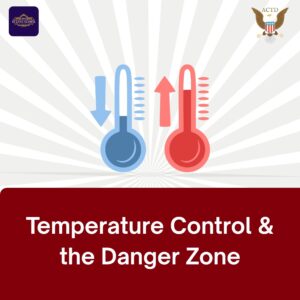
🍽️ Food Safety Training: Temperature Control & the Danger Zone
Hey Team! 👋 Time for some straight talk—temperature is one of the biggest factors in keeping food safe. Ignore it, and you risk making people seriously sick.
1️⃣ What is the Danger Zone? ⚠️
- The danger zone is 5°C – 60°C.
- Food that sits here gives bacteria the perfect conditions to grow fast.
- Example: chicken left on the counter for a few hours can turn into a bacteria buffet in no time. One bite can cause food poisoning.
2️⃣ Hot foods – Keep them hot! 🔥
- Always store cooked food above 60°C.
- Reheat leftovers to 75°C or higher before serving.
- Never guess—use a thermometer to make sure it’s safe.
- Serving lukewarm food? That’s playing with lives.
3️⃣ Cold foods – Keep them cold! ❄️
- Store perishables below 5°C.
- Chill cooked foods quickly—ideally within 2 hours.
- Freezers must be -18°C or lower.
- Leaving food in the fridge too long without checking temperature? That’s an easy path to bacteria growth.
4️⃣ Why it matters 💡
- Bacteria can double every 20 minutes in the danger zone.
- Hot food left out = sickness. Cold food left out = sickness. There’s no safe middle ground.
- Proper temperature control protects your customers, your reputation, and your job.
5️⃣ Quick practical tips ✅
- Always measure temperatures when storing or serving food.
- Label hot and cold foods with preparation dates and times.
- Never leave food uncovered—dust, insects, and germs love exposed food.
- Train yourself to act fast: cool hot foods quickly, reheat properly, and store cold foods immediately.
⚡ Remember: The danger zone isn’t just a number—it’s a ticking time bomb. Keep hot foods hot, cold foods cold, and never take shortcuts. Lives depend on it.
It’s a busy Friday afternoon in Enugu, and the restaurant “Mama Chidi’s Kitchen” is packed. Office workers, students, and families are lining up for lunch. Orders are flying in fast, and the kitchen staff is under pressure to serve quickly.
Chinedu, a food handler with a few years of experience, is in charge of preparing jollof rice and fried chicken for the lunch crowd. He’s rushed, and in his mind, speed is more important than procedure.
➡️ After cooking, he places a large tray of fried chicken on the counter to “cool down” while he finishes other dishes.
➡️ He piles the jollof rice into containers and leaves them uncovered near the prep table.
❌ The thermometer sits on the shelf, untouched—Chinedu assumes the food “looks fine,” so no need to check.
Meanwhile, the restaurant is chaotic:
⚡ Orders keep coming in, so staff are moving quickly and shouting.
⚡ Customers are impatient, glancing at the food, tapping their feet.
⚡ Chinedu keeps thinking, “It’s just for a few minutes; it’ll be okay.”
Unbeknownst to him:
🔥 The chicken temperature drops to 40°C, right in the danger zone.
❄️ The rice cools to 35°C, also in the danger zone.
In this zone, bacteria like Salmonella and E. coli multiply rapidly.
A couple of hours later, the food is served to customers. The trays look perfect, the aroma is inviting, and everyone digs in.
⚠️ By the end of the day, reports start coming in:
🤢 Several customers feel nauseous and vomit.
💩 Others complain of diarrhea, stomach cramps, and fever.
📱 Word spreads quickly on social media: “People got sick at Mama Chidi’s!”
The next morning, health inspectors arrive. They inspect the kitchen and review procedures. What they find:
✔️ Hot foods were left in the danger zone for over two hours.
✔️ Cold foods weren’t properly chilled.
❌ Thermometers weren’t used to verify safe temperatures.
❌ Food handling shortcuts had created a perfect environment for bacteria to thrive.
The outcome:
🚫 The restaurant is temporarily closed for inspection.
⚠️ Staff receive formal warnings and retraining.
📉 Customers lose trust, some never return.
💡 Chinedu learns a hard lesson about shortcuts and temperature control.
⚡ Key Takeaways
✅ The Danger Zone = 5°C – 60°C. Food left here is a bacteria playground.
🔥 Hot foods must stay above 60°C. Lukewarm food = unsafe.
❄️ Cold foods must stay below 5°C. Room temperature storage = disaster waiting to happen.
✔️ Always use a thermometer, cover food, and store it promptly.
❌ Shortcuts can destroy trust, your job, and customer health.
💡 Lesson: Food safety isn’t optional. One careless moment with temperature control can make dozens of people sick, ruin reputations, and threaten livelihoods.
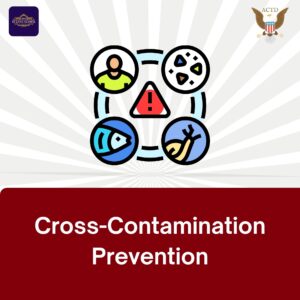
🍽️ Cross-Contamination Prevention
Hey Team! 👋 Let’s be crystal clear—cross-contamination is one of the fastest ways to make people seriously sick, and it’s usually 100% preventable. One careless touch and germs move from raw food, surfaces, or equipment directly into meals.
1️⃣ What is cross-contamination? ⚠️
- Cross-contamination happens when harmful bacteria, viruses, or allergens are transferred from one food or surface to another.
- Example: chopping raw chicken 🐔 on a cutting board, then slicing fresh salad 🥗 on the same board without cleaning it. That’s a direct path for food poisoning.
2️⃣ How it happens
- Hands: touching raw meat, then touching cooked or ready-to-eat foods without washing.
- Utensils & equipment: knives, cutting boards, tongs, slicers used for multiple foods.
- Work surfaces: counters, tables, prep areas not cleaned or sanitized between tasks.
- Storage: raw meat stored above ready-to-eat foods in the fridge—drips contaminate everything below.
- Clothing & gloves: touching raw food and then clean dishes, plates, or garnishes.
- Pests: rodents, flies, or cockroaches can carry germs from trash or raw foods to prepared foods.
3️⃣ How to prevent it ✅
- Hands first: always wash thoroughly after touching raw food, handling waste, or touching your face.
- Separate tools: use different knives and cutting boards for raw and ready-to-eat foods. Color-coding works wonders.
- Clean & sanitize surfaces: wipe, wash, and sanitize worktops, utensils, and equipment between each task.
- Proper storage: keep raw foods below ready-to-eat foods in fridges. Drips are dangerous.
- Glove rules: change gloves when switching tasks, handling raw foods, or after touching personal items.
- Personal hygiene: hairnets, clean clothes, and no jewelry. Germs hitch rides everywhere!
4️⃣ Why it matters 💡
- A single mistake can contaminate an entire batch of food in seconds.
- Cross-contamination can trigger severe allergic reactions or foodborne illnesses—hospital visits are no joke.
- Ignoring these rules can cost lives, customers, and even your job.
⚡ Remember: Separate, clean, and sanitize every single time. Cross-contamination doesn’t wait—it spreads fast. Don’t give germs a chance!
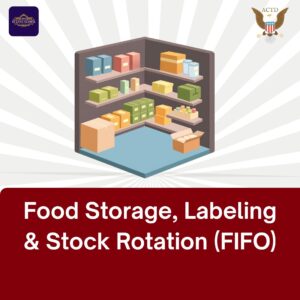
🍽️ Food Safety Training: Food Storage, Labeling & Stock Rotation (FIFO)
Hey Team! 👋 Let’s talk about how food is stored—because sloppy storage = unsafe food = sick customers.
1️⃣ Proper Food Storage is NOT optional ⚠️
- Store perishables in the fridge (<5°C) and frozen foods in the freezer (-18°C).
- Dry foods go in clean, cool, and dry areas. Keep them off the floor to avoid pests.
- Never mix raw and ready-to-eat foods—raw goes below, ready-to-eat goes above. Gravity is not your friend when it comes to drips!
2️⃣ Labeling = Saving lives & money 💡
- Every food item must be clearly labeled with:
- Name of the food
- Date prepared or received
- Expiry or “use-by” date
- Labels prevent using expired foods or confusing allergens—both can have serious consequences.
3️⃣ Stock Rotation (FIFO) ✅
- FIFO = First In, First Out. Always use older stock first.
- Why? It ensures:
- No expired products get used
- Food stays fresh
- Wastage is minimized
- How to do it: place new deliveries behind old stock on shelves or in the fridge/freezer. First in = first out. Simple, but life-saving.
4️⃣ Quick tips for staff 👌
- Check temperature before storing. Hot foods must cool first, then store.
- Keep raw food separate and covered.
- Inspect deliveries—no damaged packaging or spoiled items.
- Train your team: everyone must follow labeling and rotation rules.
5️⃣ Why it matters
- Poor storage = bacteria growth 🦠, cross-contamination, and allergens going unchecked.
- Wrong stock rotation = expired food served = customer illness and reputation damage.
- Proper labeling and FIFO = safe food, happy customers, less waste, and fewer losses.
⚡ Remember: Store it right, label it clearly, rotate it properly. Every item counts—don’t gamble with food safety!

🥗 Food Safety Training – Day 1: Key Takeaways
1️⃣ Food Safety is Everyone’s Responsibility
➡️ Safe food protects customers, colleagues, and your reputation.
➡️ Foodborne illnesses are preventable—carelessness is the real risk.
2️⃣ Know the Hazards
➡️ Biological: bacteria, viruses, parasites.
➡️ Chemical: cleaners, pesticides, allergens.
➡️ Physical: glass, metal, hair, or other foreign objects.
➡️ Identify, prevent, and control hazards at every step.
3️⃣ Personal Hygiene & Workplace Practices Matter
➡️ Wash hands properly and maintain personal cleanliness.
➡️ Wear protective clothing and PPE correctly.
➡️ Report illness and stay fit to work—even mild symptoms can contaminate food.
4️⃣ Safe Food Handling & Storage Saves Lives
➡️ Temperature control: keep hot foods hot (above 60°C) and cold foods cold (below 5°C).
➡️ Prevent cross-contamination: separate raw and ready-to-eat foods, clean surfaces and tools.
➡️ Proper storage, labeling & FIFO: store foods correctly, label everything clearly, and rotate stock to prevent spoilage and waste.
⚡ Final Thought:
➡️ Food safety isn’t optional—it’s a mindset and a daily habit. Every action you take in the kitchen can protect lives or cause harm.
🍽️ Day 2: HACCP Principles & Practical Application
Good morning Team! 👋 Welcome to Day 2 of our Food Safety Training.
Today, we’re stepping up a level. If Day 1 was about knowing the hazards, personal hygiene, and safe handling, today is about taking control—learning a systematic, science-based approach to prevent food safety risks before they reach your customers.
HACCP (Hazard Analysis and Critical Control Points) isn’t just a fancy acronym—it’s your roadmap to keeping food safe. Every decision, every step in your kitchen, storage area, or service line can make the difference between a healthy customer and a foodborne illness outbreak.
By the end of this session, you’ll be able to:
➡️ Identify hazards in your process before they become a problem.
➡️ Pinpoint Critical Control Points (CCPs) where intervention is essential.
➡️ Apply measurable controls to ensure food safety every single time.
➡️ Document, monitor, and act—making HACCP practical and actionable in your daily work.
⚡ Remember: HACCP is not optional. It’s not theory. It’s real-world, life-saving practice that protects customers, colleagues, and your career.
Get ready—today we turn knowledge into action!
🍽️ Module 1: Introduction to HACCP
Before we get into the rules and forms, let’s get one thing straight: HACCP is not paperwork—it’s a life-saving system. It’s the framework that turns knowledge about hazards into actions that prevent foodborne illness before it happens.
Think of it this way: every time food passes through your hands—from receiving, storage, preparation, cooking, to serving—you have the power to either protect or harm your customers. HACCP gives you the tools to make the right decisions at the right points.
By the end of this session, you’ll understand:
➡️ What HACCP is and why it matters in every food operation.
➡️ The seven principles that form the foundation of HACCP.
➡️ How this system shifts you from reactive to proactive—catching hazards before they become problems.
➡️ How HACCP protects customers, the business, and your professional reputation.
⚡ Remember: HACCP isn’t just a concept—it’s a daily habit and a commitment to excellence. Master it, and you master food safety.
🍽️ What HACCP Is and Why It Is Used Globally
Good morning everyone.
Let’s be very clear from the start—HACCP is not paperwork, and it is not theory.
HACCP is a life-protection system.
HACCP stands for Hazard Analysis and Critical Control Points. In simple terms, it is a structured, preventive system used to identify where food can become dangerous, and then put controls in place to stop problems before anyone gets sick.
HACCP does not wait for complaints.
It does not wait for inspections.
It does not wait for people to end up in hospitals.
👉 HACCP prevents food safety failures before they happen.
🔍 What HACCP Actually Does
HACCP asks five tough but necessary questions at every stage of food handling:
➡️ Where can food become contaminated?
➡️ What can go wrong if we don’t control this step?
➡️ How serious would the damage be?
➡️ How do we stop it before it reaches the customer?
➡️ How do we prove we stayed in control?
Instead of reacting after a mistake, HACCP forces you to think ahead.
That is the power of HACCP.
⚠️ Why the World Moved to HACCP
Before HACCP, food safety depended on:
❌ Hope
❌ Luck
❌ End-product testing
And here’s the truth—you cannot test safety into food.
By the time food is tested:
➡️ It’s already cooked
➡️ It’s already packaged
➡️ It’s already served
➡️ Someone may already be sick
This is why the global food industry changed direction.
HACCP was first developed for NASA—to ensure astronauts would not get food poisoning in space. If food safety was critical enough for space missions, then it is critical enough for every kitchen on earth.
🌍 Why HACCP Is Used Worldwide
Today, HACCP is the gold standard for food safety across the world.
It is required or recognized by:
➡️ World Health Organization (WHO)
➡️ Codex Alimentarius Commission
➡️ Food and Agriculture Organization (FAO)
➡️ European Union
➡️ United States (FDA & USDA)
➡️ Canada, UK, Australia, and many more
Why? Because HACCP works.
It is used globally because:
✔️ It is preventive, not reactive
✔️ It applies to all foods and all operations
✔️ It reduces foodborne illness drastically
✔️ It protects consumers, businesses, and brands
✔️ It creates accountability at every step
Countries trust HACCP because it saves lives and money at the same time.
👩🏽🍳 What HACCP Means for You as Food Handlers
Let me make this personal.
Without HACCP:
❌ One sick staff member can infect dozens of customers
❌ One temperature mistake can ruin an entire batch
❌ One contamination can shut down a business
With HACCP:
✅ You know exactly where the risks are
✅ You know what limits must never be crossed
✅ You know what action to take when something goes wrong
✅ You are no longer guessing—you are in control
HACCP turns food handling from trial and error into professional discipline.
🧠 HACCP Is a Mindset, Not Just a Document
HACCP is not a file on a shelf.
HACCP is how you think every day at work.
It trains your mind to ask:
➡️ Is this safe right now?
➡️ Am I controlling this risk?
➡️ What happens if I ignore this step?
When HACCP is done properly:
➡️ Mistakes are caught early
➡️ Risks are reduced
➡️ Staff become confident and competent
➡️ Customers stay safe
💥 Hard Truth Moment
Every major food poisoning outbreak you hear about usually comes down to one thing:
🚫 HACCP was ignored
🚫 HACCP was poorly implemented
🚫 HACCP existed only on paper
HACCP works only when people respect it.
⚡ Final Message to Participants
HACCP is used globally because:
➡️ Food safety is universal
➡️ Germs don’t respect borders
➡️ One mistake can travel far and fast
When you follow HACCP:
✔️ You protect lives
✔️ You protect your job
✔️ You protect your business
✔️ You protect your professional reputation
HACCP is not about rules.
It is about responsibility.
And responsibility saves lives.
Mrs. Amina runs a busy restaurant in Abuja. Every day, her kitchen prepares soups, rice, grilled chicken, salads, and fresh juices. Business is good—but so is the pressure.
🔴 Before HACCP
One afternoon, a new staff member receives raw chicken and stores it on the top shelf of the fridge. Overnight, juices drip onto washed vegetables below.
The next day:
➡️ The vegetables are used for salad
➡️ The chicken is not checked with a thermometer during cooking
➡️ Leftover soup is left on the counter for hours before refrigeration
Two days later, customers complain of stomach pain and vomiting. Health officials visit. The restaurant is fined, closed temporarily, and Amina’s reputation suffers.
The problem wasn’t bad intentions—it was lack of control and no system.
🟢 After HACCP Is Implemented
Amina introduces a HACCP plan.
Now:
✅ Raw chicken is stored below ready-to-eat foods (identified CCP)
✅ Cooking temperatures are checked and recorded (critical limit: 75°C)
✅ Hot foods are cooled quickly and stored correctly
✅ Staff know exactly what to do, when, and why
One day, a staff member notices the fridge temperature is above 5°C.
➡️ He reports it immediately
➡️ Food is moved to another fridge
➡️ The faulty fridge is repaired
➡️ No unsafe food reaches customers
Business continues safely—no illness, no fines, no panic.
🎯 Key Benefits of HACCP Shown in This Scenario
➡️ Prevents problems before they happen
➡️ Protects customers from foodborne illness
➡️ Gives staff clear guidance and confidence
➡️ Reduces waste and financial loss
➡️ Protects the business reputation
➡️ Helps meet regulatory and inspection requirements
⚡ Final Message:
HACCP doesn’t slow you down—it saves you.
Without HACCP, mistakes spread fast.
With HACCP, risks stop at the control point.
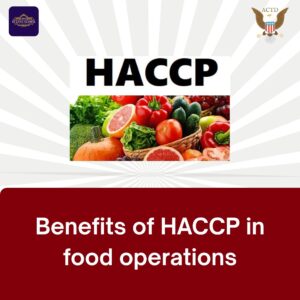
🍽️ Benefits of HACCP in Food Operations
Alright team, let’s talk about the real question:
Why should you care about HACCP in your daily work?
The answer is simple—HACCP protects people, protects businesses, and protects YOU.
HACCP is not extra work.
HACCP is smart work.
🛡️ 1. Prevents Foodborne Illness Before It Happens
The biggest benefit of HACCP is prevention.
HACCP stops hazards before food reaches the customer, not after complaints start coming in.
➡️ It identifies high-risk points like cooking, cooling, storage, and handling
➡️ It puts controls in place so mistakes don’t turn into outbreaks
➡️ It reduces bacteria growth, contamination, and allergen exposure
Without HACCP, food safety depends on luck.
With HACCP, food safety depends on control.
👨👩👧 2. Protects Customers’ Health and Lives
Every customer trusts you with their health—whether they know it or not.
HACCP protects:
➡️ Children
➡️ Elderly people
➡️ Pregnant women
➡️ People with weak immune systems
For these groups, food poisoning is not “just stomach pain”—it can mean hospitalization or death.
HACCP turns your operation into a safe place to eat, not a risk zone.
🏢 3. Protects the Business from Closure and Loss
Let’s talk business reality.
One serious food safety incident can lead to:
❌ Business shutdown
❌ Heavy fines
❌ Legal action
❌ Loss of licenses
❌ Permanent damage to reputation
HACCP helps:
✔️ Prevent violations
✔️ Pass inspections confidently
✔️ Reduce customer complaints
✔️ Avoid costly recalls and wastage
A business with HACCP is prepared, not panicking during inspections.
💼 4. Builds Professionalism and Staff Confidence
HACCP removes guesswork from food handling.
Staff no longer ask:
❌ “I think this is okay”
❌ “We’ve always done it this way”
Instead, they know:
✔️ The correct temperature
✔️ The correct storage method
✔️ The correct action when something goes wrong
HACCP creates competent, confident food handlers, not careless ones.
📋 5. Creates Clear Roles and Accountability
HACCP defines:
➡️ Who does what
➡️ When checks are done
➡️ What limits must not be crossed
➡️ What action to take if something fails
No confusion.
No blame-shifting.
No “I didn’t know.”
Everyone knows their responsibility—and that raises standards.
💰 6. Reduces Food Waste and Saves Money
Unsafe food gets thrown away.
HACCP helps:
✔️ Improve storage practices
✔️ Reduce spoilage
✔️ Prevent contamination
✔️ Use stock correctly
Less waste = more profit.
Good food safety is good business sense.
🌍 7. Enables Local and International Market Access
Many buyers, hotels, supermarkets, airlines, and export markets will not work with you without HACCP.
HACCP:
➡️ Meets international food safety requirements
➡️ Builds trust with partners and regulators
➡️ Opens doors to bigger contracts and markets
No HACCP = limited opportunities.
HACCP = global credibility.
🔍 8. Makes Inspections Easier and Less Stressful
When inspectors arrive:
❌ Panic means you are not in control
✔️ Confidence means HACCP is working
With HACCP:
➡️ Records are available
➡️ Procedures are clear
➡️ Staff know what to do
➡️ Problems are documented and corrected
Inspectors don’t fear HACCP operations—they respect them.
💥 Hard Truth
Most food safety disasters happen not because people don’t care—but because they don’t control risks properly.
HACCP gives you that control.
⚡ Final Message to Participants
HACCP is beneficial because:
✔️ It prevents illness
✔️ It saves lives
✔️ It protects businesses
✔️ It builds professionals
✔️ It opens opportunities
HACCP is not about passing inspections.
It is about doing food safety right—every single day.
When HACCP is followed properly, food safety stops being a gamble—and becomes a guarantee.
⚖️ Legal and Regulatory Importance of Food Safety & HACCP
Team, let’s be very clear about this part—food safety is not a suggestion, and HACCP is not optional. It is a legal requirement, and failing to comply has real consequences.
This is where food safety moves from “best practice” to law.
📜 1. Food Safety Is Backed by Law
Governments and regulatory bodies exist for one reason: to protect public health.
Food laws require that:
➡️ Food must be safe, wholesome, and fit for human consumption
➡️ Businesses must identify and control food safety hazards
➡️ Food handlers must follow approved hygiene and safety practices
When you ignore food safety rules, you are not just being careless—you are breaking the law.
🧾 2. HACCP Is the Global Legal Standard
Across the world, HACCP is recognized as the foundation of food safety legislation.
➡️ Many countries legally require HACCP-based systems
➡️ Hotels, restaurants, caterers, processors, and exporters must comply
➡️ Regulatory agencies inspect using HACCP principles
This means:
❌ No HACCP = high risk of failing inspections
✔️ HACCP = proof that hazards are controlled
HACCP is the language inspectors speak.
🚨 3. Consequences of Non-Compliance Are Severe
Let’s talk reality—what actually happens when food safety laws are broken:
❌ Fines and penalties
❌ Temporary or permanent business closure
❌ Confiscation and destruction of food
❌ Loss of operating licenses
❌ Legal action and lawsuits
❌ Public exposure and reputation damage
One serious incident can end a business overnight.
👨⚖️ 4. Personal Responsibility and Liability
This part is important—food safety responsibility does not stop at the company level.
➡️ Supervisors can be held accountable
➡️ Food handlers can face disciplinary action
➡️ Managers can be prosecuted for negligence
Saying “I didn’t know” is not a legal defense.
Once you handle food, you carry legal responsibility.
🏛️ 5. Inspections Are About Proof, Not Promises
Inspectors don’t care what you intend to do.
They care about what you can prove.
They will ask:
➡️ Show me your temperature records
➡️ Show me your cleaning logs
➡️ Show me your HACCP plan
➡️ Show me corrective actions
If it’s not documented, it didn’t happen.
HACCP provides the evidence regulators demand.
🌍 6. Market Access Depends on Compliance
Many organizations will not work with food businesses that are not compliant.
Without proper food safety systems:
❌ No contracts with hotels
❌ No airline catering
❌ No supermarkets
❌ No exports
With HACCP compliance:
✔️ Trust from regulators
✔️ Approval from partners
✔️ Access to local and international markets
Compliance opens doors. Non-compliance shuts them fast.
💥 Hard Truth
Most food safety laws were created after people got sick or died.
Every regulation exists because something went wrong in the past.
Ignoring food safety is not just risky—it is illegal and irresponsible.
⚡ Final Message to Participants
Food safety laws exist to protect the public—and you are part of that protection system.
HACCP:
✔️ Keeps you on the right side of the law
✔️ Protects the business from shutdown
✔️ Protects your job and professional record
Follow the system. Follow the law. Protect lives.
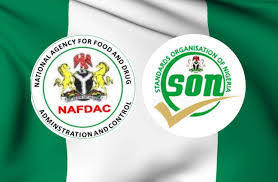
Nigeria’s Food Safety Regulatory Bodies & Their Link to HACCP
In Nigeria, food safety is not guesswork—it is regulated, enforced, and inspected. And at the center of modern food safety enforcement is HACCP.
If you handle food in Nigeria, these agencies matter to you.
🏛️ 1. NAFDAC (National Agency for Food and Drug Administration and Control)
NAFDAC is the primary authority responsible for regulating food safety in Nigeria.
What NAFDAC cares about:
➡️ Food safety systems
➡️ Hazard control during production and handling
➡️ Proper storage, labeling, and hygiene
➡️ Traceability and documentation
How HACCP fits in:
✔️ NAFDAC expects food businesses to operate using HACCP principles
✔️ HACCP shows that hazards are identified, controlled, and monitored
✔️ During inspections, HACCP records = proof of compliance
No HACCP-based system?
❌ Product seizure
❌ Facility shutdown
❌ Fines or prosecution
NAFDAC doesn’t just inspect food—they inspect your control system.
🧪 2. SON (Standards Organisation of Nigeria)
SON develops and enforces food safety standards for products and processes.
SON focuses on:
➡️ Standardized food production
➡️ Quality assurance
➡️ Process control and consistency
How HACCP fits in:
✔️ HACCP supports SON standards by controlling risks at each process stage
✔️ HACCP ensures food meets safety and quality benchmarks
✔️ SON-certified operations often require HACCP documentation
HACCP = structure.
SON = standards.
Together, they define professionalism.
🏥 3. State Ministries of Health & Environmental Health Officers (EHO)
At state and local government levels, Environmental Health Officers enforce food hygiene laws daily.
They check:
➡️ Cleanliness of kitchens and food premises
➡️ Staff hygiene and fitness to work
➡️ Storage temperatures
➡️ Waste disposal
➡️ Pest control
How HACCP fits in:
✔️ HACCP helps you pass routine inspections confidently
✔️ Temperature logs, cleaning schedules, and corrective actions support EHO checks
✔️ HACCP proves you are proactive—not reactive
EHOs don’t want excuses.
They want control, records, and consistency.
🏢 4. Local Government Authorities (LGAs)
LGAs issue:
➡️ Health permits
➡️ Food handler certifications
➡️ Operational approvals
Without compliance:
❌ Business can be sealed
❌ Permits withdrawn
❌ Operations suspended
HACCP advantage:
✔️ HACCP-based operations face fewer enforcement issues
✔️ It demonstrates responsibility and preparedness
✔️ It protects your license and continuity
🌍 5. International & Export Expectations
If your food business:
➡️ Supplies hotels
➡️ Supplies airlines
➡️ Works with supermarkets
➡️ Plans to export
HACCP is non-negotiable.
International buyers trust:
✔️ HACCP systems
✔️ Documentation
✔️ Traceability
No HACCP = no global credibility.
⚠️ Hard Reality Check
In Nigeria:
🚫 “We’ve always done it this way” is not a defense
🚫 “Nobody complained before” doesn’t protect you
🚫 “It was a small mistake” can still shut you down
Regulators act after harm, not intentions.
⚡ Final Message to You
HACCP is your:
✔️ Shield against regulatory penalties
✔️ Evidence during inspections
✔️ Path to professionalism
✔️ License to grow and expand
In Nigeria, food safety enforcement is real—and HACCP is the system regulators respect.
Follow HACCP.
Respect the law.
Protect lives.
Protect your business.
🍽️ Module 2: The 7 Principles of HACCP
Welcome to Module 2—this is where food safety stops being theory and becomes control.
Up to this point, we’ve talked about hazards, risks, and responsibilities. Now, we move into the engine room of HACCP: the 7 Principles that make food safety work in real life.
These principles are not abstract ideas. They are step-by-step tools used every day in restaurants, hotels, factories, hospitals, airlines, and food businesses across the world to prevent foodborne illness before it happens.
In this module, you will learn how to:
➡️ Identify where food can become dangerous
➡️ Decide which steps are critical to control
➡️ Set clear limits that must never be crossed
➡️ Monitor food safety in real time—not by guesswork
➡️ Take immediate corrective action when something goes wrong
➡️ Keep records that protect you during inspections
➡️ Verify that your system actually works
Each principle builds on the next. Miss one, and the system weakens. Follow all seven, and you create a strong, defensible food safety system that regulators trust and customers depend on.
⚡ Remember: The 7 Principles of HACCP are not optional steps—you either apply them fully, or you leave gaps that bacteria, errors, and accidents will exploit.
By the end of this module, you won’t just know the principles—you’ll understand how to apply them in your daily food handling tasks, confidently and professionally.
Let’s begin.
🍽️ HACCP Principle 1: Conducting Hazard Analysis
We start with the very foundation of HACCP: hazard analysis. Think of it as your radar for danger in food handling and production. If you don’t know where the risks are, you can’t control them. Simple as that.
⚠️ What is a Hazard?
A hazard is anything in food that can cause illness or injury. Hazards fall into three main categories:
➡️ Biological: Bacteria (Salmonella, E. coli), viruses (Hepatitis A, Norovirus), parasites
➡️ Chemical: Cleaning agents, pesticides, allergens, food additives
➡️ Physical: Glass, metal, stones, hair, or other foreign objects
Remember: Hazards are real. They don’t care about shortcuts, laziness, or inexperience. One hazard left unchecked can make dozens of people sick—and destroy your business.
🔍 Why Conduct Hazard Analysis?
Hazard analysis answers two critical questions:
➡️ What can go wrong? – Identify potential hazards in every step of your process, from receiving raw materials to serving the customer.
➡️ How serious is the risk? – Some hazards are mild, others life-threatening. You must know which are critical to control.
Without this step, HACCP is guesswork, not science.
📝 How to Conduct Hazard Analysis
1️⃣ List every step in your process – receiving, storage, preparation, cooking, cooling, holding, serving. No step is too small.
2️⃣ Identify hazards at each step – biological, chemical, physical. Ask: “What could make someone sick here?”
3️⃣ Assess the risk – consider likelihood, severity, and consequences. Which hazards could harm customers the most?
4️⃣ Decide how to control each hazard – some will need temperature control, some separation of raw and cooked food, some staff hygiene practices.
💡 Practical Example
Imagine a small catering business in Lagos:
- Raw chicken arrives at the kitchen.
- Hazard: Salmonella contamination ✅
- Step to control: Store below 5°C, separate from ready-to-eat foods, and cook to 75°C.
- If ignored: Chicken sits at room temperature, germs multiply, customers fall sick, business reputation destroyed.
See the difference? Hazard analysis spots the danger before it becomes disaster.
⚡ Key Takeaways
✔️ Hazard analysis is the first and most critical step in HACCP.
✔️ You can’t control what you haven’t identified.
✔️ Biological, chemical, and physical hazards are everywhere—your job is to find them.
✔️ This step saves lives, protects your customers, and shields your business from fines and closures.
Remember: One missed hazard = one customer at risk. HACCP is not optional—it’s accountability in action.
Meet Gbenga, a chef running a small catering business in Ibadan. Today, he’s preparing for a corporate lunch delivery of chicken fried rice, salads, and juice for 50 employees.
As part of his HACCP training, Gbenga decides to conduct a hazard analysis before starting.
Step 1: Receiving Ingredients 📦
- Gbenga checks the raw chicken that just arrived from the market.
- ❌ Hazard spotted: The chicken is slightly warm and packaged with no clear date.
- ✅ Control: Immediately stores it in the fridge at <5°C and separates it from ready-to-eat items.
He checks the fresh vegetables for the salad.
- ❌ Hazard: Some leaves have dirt and tiny insects.
- ✅ Control: Washes thoroughly with safe water and inspects each batch.
Step 2: Preparation 🍳
- Gbenga starts chopping the raw chicken.
- ❌ Hazard: Using the same cutting board for salad without cleaning.
- ✅ Control: Uses separate boards and knives for raw meat and ready-to-eat foods.
He notices his gloves have a small tear.
- ❌ Hazard: Direct contamination of food.
- ✅ Control: Changes gloves immediately and washes hands thoroughly.
Step 3: Cooking & Holding 🔥❄️
- Chicken is cooked to 75°C to kill bacteria.
- Rice is kept hot >60°C before serving.
- Salad is chilled <5°C.
Gbenga records temperatures and times for every batch, knowing this documentation is part of hazard control.
✅ Outcome
Because Gbenga conducted hazard analysis before doing anything, he:
- Prevented Salmonella contamination from chicken
- Eliminated physical hazards from dirty vegetables
- Stopped cross-contamination from chopping boards
- Ensured all foods were at safe temperatures
The corporate lunch went perfectly. Employees left healthy, happy, and impressed. The business gained repeat clients and avoided potential fines or foodborne illness claims.
💡 Lesson for You
- Hazard analysis is your first line of defense.
- If Gbenga had skipped it, a simple oversight could have caused:
- Food poisoning
- Lost clients
- Legal trouble
- Damage to reputation
Key takeaway: Before you touch, store, or cook food, identify every hazard. It’s not just good practice—it’s your responsibility to protect lives and your business.
HACCP Principle 2: Identifying Critical Control Points (CCPs)
If Hazard Analysis was your radar, Critical Control Points are your emergency stops. They are the specific steps in your food process where hazards can be prevented, eliminated, or reduced to safe levels. Miss a CCP, and the hazard could reach the customer—fast.
⚠️ What is a Critical Control Point (CCP)?
A CCP is a step where control is essential to food safety. If you don’t control it, your food could become unsafe.
Examples of CCPs include:
➡️ Cooking – bringing food to a temperature that kills bacteria (e.g., chicken to 75°C)
➡️ Chilling – cooling hot foods quickly to stop bacterial growth (<5°C)
➡️ Receiving – inspecting raw ingredients for contamination
➡️ Allergen handling – preventing cross-contact for sensitive foods
➡️ Packaging – sealing food properly to prevent contamination
🔍 Why CCPs Matter
- Not every step in food preparation is a CCP—only the steps where hazards can be controlled.
- Think of CCPs as checkpoints in a security system. Skip one, and contamination slips through.
- Correctly identifying CCPs is life-saving, business-saving, and regulator-approved.
📝 How to Identify CCPs
1️⃣ Map your process: List all steps from receiving to serving.
2️⃣ Link hazards to steps: Ask, “Where could this hazard cause harm if not controlled?”
3️⃣ Ask the CCP questions:
- Can we prevent, eliminate, or reduce the hazard at this step?
- What happens if we skip control here?
- Is this step critical to food safety?
4️⃣ Mark your CCPs clearly – on process charts, labels, and monitoring sheets.
💡 Practical Example
Let’s look at a catering business in Abuja preparing jollof rice and grilled chicken:
- Step: Cooking chicken
- Hazard: Salmonella
- CCP: Cooking to 75°C
- Control: Monitor internal temperature using a calibrated thermometer.
- Step: Cooling rice after cooking
- Hazard: Bacterial growth (Bacillus cereus)
- CCP: Rapid cooling to <5°C within 2 hours
- Control: Use shallow containers in a cold room or ice bath.
- Step: Handling peanuts for dessert topping
- Hazard: Allergen exposure
- CCP: Separate utensils and dedicated storage
- Control: Label and use separate utensils to prevent cross-contact.
If any of these CCPs fail, hazards reach the customer, and your business faces serious consequences.
⚡ Key Takeaways
✔️ CCPs are your control points, not optional steps.
✔️ Identify them after hazard analysis—they are where you act to prevent, eliminate, or reduce risk.
✔️ Monitoring CCPs is non-negotiable—it’s the difference between safe food and illness.
✔️ Clear documentation of CCPs is proof that you are in control when regulators or clients inspect.
Remember: Every CCP you identify and monitor is a life you’re protecting—yours, your team’s, and your customer’s.

🍽️ HACCP Principle 3: Setting Critical Limits
Hey Team! 👋 Welcome to Principle 3—this is where the rubber meets the road. You’ve already identified hazards and pinpointed your Critical Control Points (CCPs). Now, it’s time to set critical limits—the exact boundaries that define safety.
Think of it like this: a CCP is your checkpoint, and the critical limit is the speed limit. If you go over or under, danger is real. Step out of limits, and hazards can slip past, reaching your customers’ plates.
⚠️ What is a Critical Limit?
✅ A critical limit is a maximum or minimum value (temperature, time, pH, water activity, etc.) that must be met to ensure the hazard is controlled at a CCP.
❌ Crossing this limit = unsafe food, illness, and potential business disaster.
🔍 Examples of Critical Limits
➡️ Cooking: Chicken must reach an internal temperature of ≥75°C for at least 2 minutes.
➡️ Cooling: Rice or soups must be cooled from 60°C to 5°C within 2 hours.
➡️ Freezing: Frozen foods must stay at ≤-18°C.
➡️ Allergens: No peanut traces in nut-free desserts; cross-contact is zero tolerance.
➡️ pH Control: Acidic foods (like certain sauces) must maintain pH ≤4.5 to prevent bacterial growth.
➡️ Time Limits: Ready-to-eat foods can be kept in the danger zone for no longer than 2 hours.
💡 Why Critical Limits Matter
➡️ They define safe vs unsafe food—no guessing, no shortcuts.
➡️ They make monitoring measurable and consistent.
➡️ They protect your customers, your team, and your reputation.
➡️ Regulators and auditors will check if critical limits are being followed and documented.
📝 How to Set Critical Limits
1️⃣ Look at your CCP – Ask: “What measurable factor keeps this hazard under control?”
2️⃣ Choose a parameter – Time, temperature, pH, water activity, or allergen separation.
3️⃣ Set a measurable value – Always achievable, realistic, and verifiable.
4️⃣ Document it – Record the critical limit in your HACCP plan so everyone can follow it.
💡 Practical Example
At a catering service in Lagos preparing grilled chicken and jollof rice:
➡️ CCP: Cooking chicken
⚠️ Hazard: Salmonella
✅ Critical Limit: Internal temperature ≥75°C for at least 2 minutes
✔️ Control: Use a calibrated thermometer to check every batch
➡️ CCP: Cooling jollof rice
⚠️ Hazard: Bacillus cereus growth
✅ Critical Limit: Cool from 60°C to 5°C within 2 hours
✔️ Control: Use shallow trays in a cold room or ice bath
➡️ CCP: Preparing nut-free desserts
⚠️ Hazard: Peanut allergen
✅ Critical Limit: Zero peanut contamination
✔️ Control: Use separate utensils and storage; label clearly
⚡ Key Takeaways
✔️ Critical limits are non-negotiable safety boundaries.
✔️ Every CCP must have at least one critical limit.
✔️ Monitoring is essential—if the limit is not met, immediate corrective action is required.
✔️ Proper documentation proves you’re in control and compliant with regulators.
⚠️ Remember: A CCP without a critical limit is like driving without a speedometer—you won’t know when you’re in danger. Set limits, monitor them, and act fast. That’s how you protect lives, your team, and your business.
🍽️ HACCP Principle 4: Monitoring Procedures
You’ve identified hazards, set your Critical Control Points (CCPs), and defined critical limits. Now comes the part that keeps the system alive and working—monitoring.
Think of monitoring as keeping your finger on the pulse of food safety. If you don’t check, you won’t know when something goes wrong. And in food safety, “not knowing” can cost lives, customers, and your career.
⚠️ What Are Monitoring Procedures?
✅ Monitoring procedures are the actions you take to regularly observe or measure CCPs to make sure critical limits are being met.
❌ Without monitoring, a CCP is just a plan on paper—it doesn’t protect anyone.
🔍 Why Monitoring Matters
➡️ Detects deviations before unsafe food reaches customers
➡️ Confirms that controls are working consistently
➡️ Provides evidence for regulators and auditors
➡️ Protects your team, customers, and business reputation
💡 What to Monitor
Monitoring can include:
➡️ Temperature checks – cooking, cooling, holding, and storage
➡️ Time checks – how long food spends in the danger zone
➡️ Visual inspections – color, texture, signs of spoilage
➡️ pH measurements – for acidic foods that inhibit bacterial growth
➡️ Allergen handling – observing cross-contact prevention practices
➡️ Sanitation procedures – cleanliness of surfaces, equipment, and utensils
📝 How to Monitor CCPs
1️⃣ Determine what to monitor – choose the most critical factor (temperature, time, pH, allergen separation).
2️⃣ Decide how to monitor – thermometer, timer, visual check, or chemical test.
3️⃣ Establish frequency – hourly, per batch, per shift, or continuous, depending on the CCP.
4️⃣ Document the results – record everything. If it’s not documented, it didn’t happen.
5️⃣ Take action immediately – if the critical limit is not met, corrective action must be applied without delay.
💡 Practical Example
At a large catering service in Lagos preparing chicken fried rice and grilled fish:
➡️ CCP: Cooking chicken
⚠️ Critical Limit: ≥75°C internal temperature
✅ Monitoring Procedure: Check temperature of every batch with a calibrated thermometer before moving to the next step
➡️ CCP: Cooling rice
⚠️ Critical Limit: Cool from 60°C to 5°C within 2 hours
✅ Monitoring Procedure: Measure rice temperature every 30 minutes using a probe; record on log sheet
➡️ CCP: Handling peanuts for desserts
⚠️ Critical Limit: Zero cross-contact
✅ Monitoring Procedure: Observe staff handling allergens; check that utensils and storage are separate; record compliance
⚡ Key Takeaways
✔️ Monitoring is your eyes and ears at every CCP.
✔️ If it isn’t measured, it isn’t controlled.
✔️ Monitoring must be frequent, accurate, and documented.
✔️ Proper monitoring prevents hazards from reaching customers—it’s your last line of defense before food leaves your facility.
⚠️ Remember: A CCP without monitoring is like a speed limit with no radar—it doesn’t protect anyone. Monitor, record, act. That’s how you save lives and protect your business.
It’s a busy Friday morning at Royal Feast Catering in Benin City, Edo State. Osahon, an experienced food handler, has just arrived for his shift. Today, the kitchen is preparing grilled chicken, fried rice, and vegetable salad for a corporate event hosting over 150 guests.
Before starting, Osahon reviews the HACCP plan. He knows that cooking chicken to 75°C, cooling fried rice below 5°C within 2 hours, and handling ready-to-eat salads safely are all Critical Control Points (CCPs).
The kitchen heats up quickly. Osahon notices that one of the junior cooks, Tosin, is plating the chicken while the grill still shows uneven heat. She assumes the chicken looks “done” and skips checking the internal temperature.
➡️ Osahon notices: the thermometer is still in the drawer. He reminds Tosin that skipping this step violates the CCP monitoring procedure.
Meanwhile, another batch of fried rice is cooling in a large metal container on the counter. Osahon knows that rice left at room temperature for more than 2 hours can become a breeding ground for Bacillus cereus. He quickly measures the temperature—it’s still around 40°C, way above the safe limit of 5°C.
➡️ He immediately takes action, dividing the rice into shallow trays and placing them in the blast chiller, monitoring the temperature every 15 minutes.
As Osahon moves to prepare the salads, he notices that the raw chicken juices from a previously cooked batch dripped onto a container of washed lettuce. This is a potential cross-contamination hazard.
➡️ He stops the prep, sanitizes the counter, discards any contaminated lettuce, and instructs the team to always store raw and ready-to-eat foods separately.
By mid-shift, Osahon documents all monitoring checks, including temperatures of chicken, rice, and the fridge. He notes any deviations and corrective actions, ensuring the HACCP plan is fully followed.
Outcome if monitoring was ignored:
❌ Chicken undercooked → Salmonella risk → guests could fall seriously ill.
❌ Rice left at 40°C → Bacillus cereus growth → potential food poisoning outbreak.
❌ Cross-contamination of lettuce → Salad could transmit pathogens → illness risk, business closure, fines, and damaged reputation.
Thanks to Osahon’s vigilance and adherence to monitoring procedures, every CCP was controlled, hazards were prevented, and the corporate event went off safely. Guests enjoyed their meals, and the catering business maintained trust and credibility.
Lesson:
➡️ Monitoring procedures are not optional steps.
➡️ Even one lapse—missed temperature check, ignored cooling, or overlooked contamination—can turn safe food into a serious health hazard.
➡️ Every food handler, like Osahon, must act, observe, document, and correct. Monitoring is the heartbeat of food safety.
🍽️ HACCP Principle 5: Corrective Actions
This is where action meets responsibility. You’ve identified hazards, set your CCPs, and established critical limits. But what happens if something goes wrong?
That’s where corrective actions come in. These are the steps you take immediately when a critical limit is not met.
Think of it like this: monitoring tells you there’s a problem, corrective action fixes it before it reaches the customer. Skip it, and one mistake can turn into a full-blown foodborne illness outbreak.
⚠️ What Are Corrective Actions?
✅ Corrective actions are predefined steps to control, eliminate, or prevent hazards whenever a CCP goes out of its safe limit.
❌ Ignoring a breach of critical limits = unsafe food, customer illness, fines, or even business closure.
🔍 Why Corrective Actions Matter
➡️ They protect your customers from illness.
➡️ They protect your team and your business from legal, financial, and reputational damage.
➡️ They demonstrate compliance to regulators.
➡️ They turn a potential disaster into a learning opportunity.
💡 Types of Corrective Actions
➡️ Discarding unsafe food – if cooking temperature is not reached, throw out the batch.
➡️ Reprocessing food – reheating under safe conditions if monitored temperature is too low.
➡️ Adjusting processes – fixing equipment or process issues that caused the breach.
➡️ Additional staff training – if errors are due to human mistakes.
➡️ Documenting the incident – recording the breach and actions taken.
📝 How to Implement Corrective Actions
1️⃣ Identify the problem: Monitor your CCP and detect when critical limits are exceeded or not met.
2️⃣ Act immediately: Stop the process, segregate affected food, and decide the safest course (discard or reprocess).
3️⃣ Correct the cause: Fix equipment, retrain staff, or adjust the process to prevent recurrence.
4️⃣ Document everything: Include the date, CCP, critical limit, deviation, action taken, and responsible person.
5️⃣ Verify: Ensure the corrective action has effectively returned the process to safe control.
💡 Practical Example
At a production facility in Lagos preparing grilled chicken and jollof rice:
➡️ CCP: Cooking chicken
⚠️ Critical Limit: ≥75°C for 2 minutes
❌ Deviation: Chicken reached only 68°C
✔️ Corrective Action:
- Immediately re-cook the batch until it reaches ≥75°C
- Document the deviation and action in the HACCP log
- Check thermometers for calibration to prevent repeat issues
➡️ CCP: Cooling rice
⚠️ Critical Limit: Cool to <5°C within 2 hours
❌ Deviation: Rice still at 8°C after 2 hours
✔️ Corrective Action:
- Place rice in shallow trays in ice bath for rapid cooling
- Record the incident and action taken
- Investigate why the process was delayed
⚡ Key Takeaways
✔️ Corrective actions are non-negotiable—delays or guesses can harm customers.
✔️ Every deviation must have a predefined corrective action in your HACCP plan.
✔️ Document everything—it proves your team acted responsibly.
✔️ Monitor after corrective action to confirm the food is safe before serving.
⚠️ Remember: Corrective actions are your safety net. They turn potential disasters into controlled situations. Act fast, document properly, and never serve unsafe food. Lives, reputation, and your job depend on it.
🍽️ HACCP Principle 6: Verification Processes
This where we make sure our HACCP system is actually working.
Monitoring CCPs and following procedures is crucial, but how do you know it’s all effective? That’s where verification comes in. Verification is the double-check, the proof, the reality test. Without it, your HACCP plan is just paperwork.
Think of it like this: monitoring tells you what’s happening now; verification tells you whether your system truly prevents hazards over time.
⚠️ What is Verification?
✅ Verification is the process of reviewing, testing, and confirming that HACCP procedures, CCPs, and critical limits are effective and being followed correctly.
❌ Skipping verification = false confidence. You might think food is safe, but hazards could still reach your customers.
🔍 Why Verification Matters
➡️ Ensures CCPs and critical limits are being correctly applied.
➡️ Confirms that monitoring and corrective actions are working.
➡️ Helps identify gaps or failures in your HACCP plan.
➡️ Demonstrates compliance to regulators and auditors.
➡️ Protects your customers, your team, and your business reputation.
💡 Verification Activities
➡️ Review records – Check logs of CCP monitoring, critical limits, and corrective actions.
➡️ Calibration of equipment – Thermometers, pH meters, timers, and other tools must be accurate.
➡️ Observation – Watch staff performing CCPs and food safety procedures.
➡️ Testing – Laboratory testing for pathogens, allergens, or chemical residues.
➡️ Audits – Internal or external audits to ensure HACCP plan is followed.
📝 How to Verify Effectively
1️⃣ Regularly review CCP records – Are temperatures logged? Were corrective actions taken correctly?
2️⃣ Check equipment accuracy – Calibrate thermometers and monitoring devices as per schedule.
3️⃣ Observe staff practices – Are procedures being followed consistently?
4️⃣ Test products – Random testing of food can reveal hidden hazards.
5️⃣ Update the plan – If verification identifies weaknesses, revise procedures to strengthen food safety.
💡 Practical Example
At a bakery in Port Harcourt producing cream-filled pastries:
➡️ CCP: Cooling custard filling
⚠️ Critical Limit: Cool to <5°C within 2 hours
✔️ Verification Process:
- Review cooling logs from the last week
- Check thermometers for calibration
- Observe staff placing custard in shallow containers in ice bath
- Conduct random microbial testing to ensure no bacterial growth
➡️ CCP: Baking bread
⚠️ Critical Limit: Bake at ≥180°C for 20 minutes
✔️ Verification Process:
- Review oven temperature logs
- Test a batch with a thermometer
- Audit staff baking procedures
⚡ Key Takeaways
✔️ Verification confirms your food safety system works—it’s your proof, not just a paper plan.
✔️ Regular checks catch errors before they harm customers.
✔️ Verification includes reviewing records, calibrating tools, observing staff, and testing food.
✔️ Without verification, you cannot be sure your CCPs are truly controlling hazards.
⚠️ Remember: Verification is your quality insurance. It ensures that your food is not just “probably safe”—it’s actually safe. Don’t skip it; lives, trust, and your business depend on it.

🍽️ HACCP Principle 7: Documentation & Record Keeping
Hey Team! 👋 Welcome to Principle 7—the backbone of food safety. You can identify hazards, set CCPs, and take corrective actions, but if it’s not documented, it didn’t happen.
Think of documentation like a surveillance camera for food safety. It proves that you monitored, acted, and kept food safe every step of the way. Without records, regulators, managers, and even customers have no way of knowing that your food is safe.
⚠️ Why Documentation Matters
➡️ Proof of Compliance: Shows regulators and auditors that your processes are controlled and safe.
➡️ Traceability: If something goes wrong, records help identify where, when, and why.
➡️ Accountability: Everyone on your team knows their responsibilities and can be held accountable.
➡️ Continuous Improvement: Records highlight weak points so you can improve processes over time.
➡️ Legal Protection: Proper records can protect the business in case of disputes or investigations.
💡 What to Document
➡️ Hazard analysis results – Which hazards were identified and assessed.
➡️ Critical Control Points (CCPs) – What steps were identified as CCPs.
➡️ Critical limits – Maximum or minimum values for each CCP.
➡️ Monitoring activities – Temperatures, times, pH levels, or any checks performed.
➡️ Deviations & corrective actions – When a critical limit was not met and what action was taken.
➡️ Verification procedures – How you confirmed that HACCP was working correctly.
➡️ Training records – Proof that staff are trained in HACCP procedures.
📝 How to Keep Effective Records
1️⃣ Be Consistent: Use the same forms, charts, and templates every day.
2️⃣ Be Accurate: Record actual measurements, not estimates.
3️⃣ Be Timely: Document immediately after monitoring, not at the end of the day.
4️⃣ Be Clear: Use legible handwriting or digital entries. Avoid vague notes like “checked ok.”
5️⃣ Be Organized: Store records safely so they can be easily retrieved for audits or investigations.
💡 Practical Example
At a bakery in Abuja preparing cakes and pastries:
➡️ CCP: Baking the cake to eliminate Salmonella
✔️ Documentation:
- Oven temperature logged every batch
- Timer recorded baking duration
- Batch number noted for traceability
➡️ CCP: Cooling custard filling
✔️ Documentation:
- Temperature logged every 30 minutes until reaching <5°C
- Deviation noted if cooling took longer than 2 hours
- Corrective action and responsible staff recorded
➡️ Verification:
- Manager cross-checks records daily to confirm compliance
⚡ Key Takeaways
✔️ If it isn’t recorded, it didn’t happen. Documentation is proof of food safety.
✔️ Records are not paperwork—they are a life-saving, reputation-saving tool.
✔️ Always monitor, act, and record. Missing a step can lead to contamination, illness, and legal trouble.
✔️ Documentation also allows your team to learn, improve, and prevent future risks.
⚠️ Remember: Good documentation is your insurance against failure. Every record you make is a step toward protecting lives, protecting your business, and proving your professionalism.
We will buttress previous module with realistic application. We’ve learned what HACCP is, its principles, and why it’s critical for food safety. Now it’s time to once again see it in action.
In this session, we’ll take the concepts off the paper and into your kitchen, production line, or catering setup. You’ll see how hazard analysis, CCPs, critical limits, corrective actions, and documentation all work together to keep food safe.
⚡ Why this session matters:
- Knowing the principles is not enough—what you do every day determines if food is safe or dangerous.
- One overlooked step, one unmonitored temperature, or one missed CCP can turn safe food into a hazard.
- By practicing HACCP in real scenarios, you build the habits and discipline that prevent contamination, protect customers, and safeguard your business.
👀 What you’ll gain:
- Confidence in identifying hazards in real-life food production.
- Ability to apply critical limits and corrective actions effectively.
- Skills to document, monitor, and verify food safety practices in daily operations.
💡 Remember: HACCP only works if you live it, not just know it. This session is all about making HACCP your daily reality—so every meal served is safe, compliant, and high-quality.

Applying HACCP to Kitchens, Restaurants, and Food Production
Let’s talk about how to actually use them in real-life food operations. HACCP isn’t just a set of rules on paper—it’s a living system that keeps food safe from the moment it arrives in your kitchen to the moment it reaches your customer’s plate.
⚡ Why Application Matters
- HACCP is global, but local application saves lives. Whether you’re in a home-style kitchen, a fast-food restaurant, or a large-scale food production facility, the same principles apply.
- One small mistake in handling, storage, or preparation can lead to massive foodborne outbreaks, customer illness, and even legal trouble.
- Applying HACCP turns your food operations into a controlled, safe system, protecting customers, staff, and your business.
🏠 Kitchens (Small or Home-Based)
➡️ Hazard Analysis: Identify risks like raw meats, eggs, or unwashed vegetables.
➡️ CCPs: Cooking to correct internal temperatures, cooling leftovers quickly, preventing cross-contamination.
➡️ Monitoring: Check thermometers, wash hands, and keep logs—even in small kitchens.
➡️ Corrective Actions: If chicken isn’t fully cooked, reheat to 75°C immediately.
➡️ Documentation: Even a simple checklist ensures safety and accountability.
💡 Tip: Small kitchens can implement HACCP without fancy equipment, just with discipline, awareness, and consistent practices.
🍴 Restaurants and Catering
➡️ Hazard Analysis: Menu items may have complex ingredients—meats, seafood, dairy, and allergens must be identified as hazards.
➡️ CCPs: Cooking temperatures, holding times, cooling, allergen separation, and hygiene checks.
➡️ Monitoring: Continuous checks for temperature, time, and cross-contamination at all prep stations.
➡️ Corrective Actions: Immediate actions if hot food dips below 60°C, cold food rises above 5°C, or allergens are at risk of cross-contact.
➡️ Documentation: Daily logs, temperature charts, and cleaning schedules ensure compliance and traceability.
💡 Tip: HACCP makes restaurant operations consistent and predictable, so every customer gets safe food every time.
🏭 Food Production Facilities
➡️ Hazard Analysis: Raw materials (grains, meat, vegetables) and processing steps (mixing, cooking, packaging) are all analyzed for risks.
➡️ CCPs: Large-scale cooking, pasteurization, packaging lines, and storage are critical control points.
➡️ Monitoring: Continuous automated or manual monitoring—temperatures, pH, humidity, and allergen control.
➡️ Corrective Actions: Standard Operating Procedures (SOPs) kick in immediately for deviations—discard affected batches or reprocess safely.
➡️ Documentation: Comprehensive records for audits, recalls, and verification. Every batch is traceable back to its source.
💡 Tip: Production facilities must integrate HACCP into every stage of the process—from receiving raw materials to shipping finished products.
🔑 Key Takeaways
✔️ HACCP is flexible—it works in any food operation, big or small.
✔️ The principles don’t change, only the scale and tools you use.
✔️ Application requires discipline, monitoring, and immediate corrective actions.
✔️ Documentation is critical—if it isn’t recorded, it didn’t happen.
✔️ Successful HACCP implementation prevents contamination, protects customers, and preserves your reputation and business.
⚡ Remember: HACCP is not just a system—it’s a mindset. Whether you’re cooking in a small kitchen in Lagos, running a restaurant in Abuja, or producing packaged foods in Port Harcourt, every step matters, every hazard counts, and every CCP you monitor could save a life.
🍽️ Examples of CCPs in Common Food Processes
Hey Team! 👋 Let’s get practical—knowing Critical Control Points (CCPs) is one thing, but seeing them in action in real food processes is what keeps your customers safe. CCPs are the steps where you can stop hazards from harming people, and missing one can mean foodborne illness, lost trust, or even legal trouble.
⚡ Why CCPs Matter
- CCPs are the decision points in food production where you must act to prevent, eliminate, or reduce hazards.
- These are non-negotiable steps—skip them, and contamination reaches the customer.
- By monitoring CCPs, you control risk, protect customers, and maintain your reputation.
🐔 Cooking and Heat Treatment
➡️ Example: Cooking chicken or beef in a restaurant kitchen
- Hazard: Salmonella or E. coli in raw meat
- CCP: Cooking to the correct internal temperature (e.g., 75°C for chicken)
- Control: Monitor with a calibrated thermometer; ensure all parts reach target temperature
➡️ Example: Pasteurizing milk in production
- Hazard: Listeria or pathogenic bacteria
- CCP: Heating to 72°C for 15 seconds (high-temperature, short-time pasteurization)
- Control: Automated temperature monitoring; alarms for deviations
❄️ Cooling and Chilling
➡️ Example: Cooling cooked rice, stews, or sauces
- Hazard: Bacillus cereus or other bacteria that grow rapidly in the danger zone (5°C–60°C)
- CCP: Cool food from 60°C to below 5°C within 2 hours
- Control: Use shallow containers, ice baths, or blast chillers; monitor with thermometers
➡️ Example: Chilling seafood or raw meat
- Hazard: Pathogens multiplying during storage
- CCP: Store below 5°C and check fridge/freezer temperatures regularly
🥗 Allergen Management
➡️ Example: Preparing desserts containing peanuts
- Hazard: Peanut allergens in a peanut-free dish
- CCP: Use separate utensils, clean surfaces, and dedicated storage
- Control: Label allergens clearly; enforce strict cross-contact prevention
📦 Receiving and Raw Ingredient Inspection
➡️ Example: Receiving vegetables, fruits, or meats at a restaurant or production facility
- Hazard: Contaminated or spoiled raw materials
- CCP: Inspect for freshness, packaging integrity, and temperature compliance
- Control: Reject unsafe items; log supplier checks
🥫 Packaging and Sealing
➡️ Example: Bottling juice or packaged snacks
- Hazard: Contamination from packaging or the environment
- CCP: Ensure containers are properly sealed and sterilized
- Control: Monitor sealing equipment, inspect packaging integrity
🔑 Key Takeaways
✔️ CCPs are where you have the power to stop hazards.
✔️ They exist in every process: cooking, cooling, storing, handling allergens, receiving, and packaging.
✔️ Monitoring and recording CCPs is critical—if you don’t document it, it didn’t happen.
✔️ Corrective action plans should be ready for any CCP deviation.
⚡ Remember: Every CCP you identify and monitor is literally a life you’re protecting—your customer’s life, your team’s health, and your business’s reputation.
How to Design a HACCP Plan
HACCP is your blueprint for safe food. Designing a HACCP plan means thinking ahead about every hazard, every process, and every point where something could go wrong. Done right, it protects your customers, your team, and your business.
⚡ Step 1: Assemble Your HACCP Team
➡️ Bring together people who know the process inside out: chefs, production managers, QA staff, and even suppliers if needed.
➡️ Each team member contributes expertise on hazards, critical points, and controls.
➡️ Tip: Diversity in the team ensures no hazard is overlooked.
⚡ Step 2: Describe the Product and Its Intended Use
➡️ List all foods, ingredients, and preparation methods.
➡️ Identify the target consumers—children, elderly, or immunocompromised people may need extra precautions.
➡️ Example: A chilled chicken salad meant for immediate consumption versus frozen packaged chicken for later sale.
⚡ Step 3: Construct a Flow Diagram of the Process
➡️ Map out every step from receiving to serving:
🔹 Receiving raw materials
🔹 Storage (cold, dry, frozen)
🔹 Preparation (washing, cutting, mixing)
🔹 Cooking/heat treatment
🔹 Cooling and storage
🔹 Packaging and labeling
🔹 Serving or shipping
➡️ Make it accurate and easy to follow—this is your visual guide to find hazards.
⚡ Step 4: Conduct a Hazard Analysis
➡️ Identify biological, chemical, and physical hazards at each step.
➡️ Ask yourself:
🔹 Could this hazard cause illness or injury?
🔹 How likely is it to happen?
🔹 What’s the severity if it does?
➡️ Prioritize hazards that are most likely and most dangerous.
⚡ Step 5: Identify Critical Control Points (CCPs)
➡️ Decide where in the process you can control the hazard to prevent, eliminate, or reduce it to safe levels.
➡️ Example: Cooking chicken to 75°C kills Salmonella—this is a CCP.
⚡ Step 6: Establish Critical Limits
➡️ Set measurable criteria at each CCP:
🔹 Temperature (e.g., cook chicken to 75°C)
🔹 Time (e.g., cool rice to below 5°C within 2 hours)
🔹 pH, water activity, or other safety parameters
➡️ These limits define safe vs. unsafe food.
⚡ Step 7: Establish Monitoring Procedures
➡️ Decide how you will check the CCPs: thermometers, timers, pH meters, visual checks.
➡️ Frequency matters—monitoring must be consistent to be effective.
⚡ Step 8: Establish Corrective Actions
➡️ Prepare clear actions if a CCP goes out of control.
➡️ Example: Chicken not cooked to 75°C → continue cooking until safe, discard if unsure.
➡️ Corrective actions protect the customer and the business.
⚡ Step 9: Verification Procedures
➡️ Confirm your HACCP plan works:
🔹 Internal audits
🔹 Checking logs and monitoring records
🔹 Microbial testing or inspections
➡️ Verification ensures your plan is not just on paper—it actually keeps food safe.
⚡ Step 10: Documentation and Record-Keeping
➡️ Record every step: hazard analysis, CCPs, monitoring, corrective actions, and verification.
➡️ Documentation proves you are in control during inspections or audits.
🔑 Key Takeaways
✔️ HACCP is proactive, not reactive—you prevent hazards before they hurt anyone.
✔️ Designing a HACCP plan requires teamwork, knowledge, and attention to detail.
✔️ Every step, CCP, and record matters—skip one, and safety is compromised.
✔️ HACCP is a mindset and a system, not just a document.
⚡ Remember: A well-designed HACCP plan saves lives, protects your business, and builds trust with your customers. If hazards reach your food, your customers suffer—and so does your reputation.
DAY 3: IMPLEMENTATION, MONITORING & COMPLIANCE
Today is where food safety stops being theory and becomes your responsibility. By now, you understand the principles of food safety and HACCP. Day 3 challenges you to apply them consistently, correctly, and without excuses. A HACCP plan is only as strong as its implementation, and implementation depends on you—your actions, your attention to detail, and your commitment on every shift.
You will learn how to carry out control measures exactly as designed, monitor critical control points in real time, and spot problems before they turn into foodborne illness, regulatory sanctions, or business closure. We will be clear and practical about what monitoring looks like on the ground, how often it must be done, and what to do immediately when standards are not met.
This session also drives home one hard truth: if it’s not documented, it didn’t happen. You will understand how proper records, logs, and compliance checks protect consumers, protect your business, and protect you as a food handler or supervisor. By the end of Day 3, you should be able to confidently implement HACCP systems, prove compliance during inspections, and uphold food safety standards every single day—no shortcuts, no compromises.
Module 1: Implementing Food Safety & HACCP Systems
Knowing the rules is not enough. Having certificates is not enough. What truly matters is how food safety and HACCP are implemented every single day in real food operations. This module is designed to help you understand how to build, apply, and maintain effective food safety and HACCP systems that actually work—not just on paper, but on the kitchen floor, in production areas, and during inspections.
Food safety failures don’t happen by accident. They happen when systems are weak, shortcuts are taken, or responsibilities are unclear. HACCP exists to prevent those failures by identifying risks before they cause harm and putting controls in place before customers get sick.
In this module, you will learn how to:
➡️ Turn food safety principles into daily routines
➡️ Apply HACCP practically in kitchens, restaurants, and food production
➡️ Create systems that protect customers, staff, and the business
➡️ Meet regulatory expectations with confidence and evidence
⚡ Remember: A food safety system is only as strong as its implementation. When HACCP is done right, it saves lives, protects reputations, and keeps businesses open.
Let’s get started—because safe food is not luck. It’s systematic, deliberate, and non-negotiable.
Developing a Simple Food Safety Plan
A food safety plan does not need to be complicated to be effective. What matters most is that it is clear, practical, and followed every day. A simple food safety plan helps food handlers understand what can go wrong, how to prevent it, and what to do if something goes wrong.
At its core, a food safety plan answers four basic questions:
- What food do we handle?
- What could make this food unsafe?
- How do we control those risks?
- How do we prove we are doing it correctly?
Step 1: Describe Your Food and Process
Start by listing:
- The types of food prepared (raw meat, cooked meals, ready-to-eat foods, beverages)
- How the food moves through your operation (receiving → storage → preparation → cooking → holding → serving)
This helps identify where food safety risks can occur.
Step 2: Identify Key Food Safety Hazards
For each step, identify possible hazards:
- Biological: bacteria, viruses, parasites
- Chemical: cleaning chemicals, pesticides, allergens
- Physical: glass, metal, hair, stones
You don’t need to list everything—focus on realistic risks in your operation.
Step 3: Set Control Measures
Decide how each hazard will be controlled. Examples include:
- Cooking food to safe temperatures
- Keeping cold food cold and hot food hot
- Proper cleaning and sanitizing
- Handwashing and personal hygiene
- Separating raw and cooked foods
These controls form the backbone of your food safety plan.
Step 4: Define Critical Limits
Where controls are essential, set clear limits such as:
- Minimum cooking temperatures
- Maximum storage temperatures
- Maximum holding times
These limits make food safety measurable and enforceable.
Step 5: Monitoring Procedures
Explain who checks, what is checked, and how often:
- Temperature checks
- Visual hygiene checks
- Cleaning schedules
Monitoring ensures controls are actually working.
Step 6: Corrective Actions
State what must be done when something goes wrong:
- Reheat food correctly
- Discard unsafe food
- Re-clean and sanitize
- Retrain staff if needed
Corrective actions prevent small problems from becoming serious incidents.
Step 7: Documentation and Records
Keep simple records such as:
- Temperature logs
- Cleaning checklists
- Training records
- Incident reports
Records provide proof of compliance during inspections and help improve operations.
Key Takeaway
A simple food safety plan is not about paperwork—it is about control, consistency, and accountability. When food handlers understand the plan and follow it daily, food safety becomes part of the routine, not an afterthought.
Safe food is planned. Unsafe food is accidental.
Roles of Staff, Supervisors, and Managers
Food safety is a shared responsibility, but everyone has a different role to play. When responsibilities are clearly defined, food safety systems work. When roles are unclear, mistakes happen, shortcuts increase, and risks go unnoticed.
A strong food safety system depends on teamwork, accountability, and leadership.
Role of Food Handlers / Staff
Food handlers are the front line of food safety. Their daily actions directly affect the safety of the food served to customers.
Key responsibilities include:
➡️ Following food safety procedures at all times
➡️ Practicing good personal hygiene and proper handwashing
➡️ Handling food correctly to prevent contamination
➡️ Monitoring basic controls such as time and temperature
➡️ Reporting problems, equipment faults, or unsafe conditions immediately
➡️ Completing assigned checks and records honestly
✔️ Food safety starts with staff doing the right thing, every time—even when no one is watching.
Role of Supervisors
Supervisors act as the link between management and food handlers. They ensure that procedures are understood and followed during daily operations.
Key responsibilities include:
➡️ Ensuring staff follow food safety and HACCP procedures
➡️ Monitoring critical control points (CCPs)
➡️ Verifying temperature checks, cleaning, and hygiene practices
➡️ Taking immediate corrective action when deviations occur
➡️ Coaching and correcting staff behavior on the spot
➡️ Ensuring records are completed accurately and on time
✔️ Supervisors prevent small mistakes from becoming serious food safety failures.
Role of Managers
Managers provide leadership, structure, and accountability for the entire food safety system. They set the tone for food safety culture within the organization.
Key responsibilities include:
➡️ Developing and maintaining the food safety and HACCP plan
➡️ Providing training, tools, and resources for staff
➡️ Assigning clear roles and responsibilities
➡️ Reviewing records and identifying trends or recurring issues
➡️ Ensuring compliance with regulatory and inspection requirements
➡️ Leading by example and enforcing food safety standards consistently
✔️ Managers create an environment where food safety is non-negotiable.
Why Clear Roles Matter
When everyone knows their role:
➡️ Risks are identified early
➡️ Controls are applied correctly
➡️ Problems are corrected quickly
➡️ Inspections become easier
➡️ Customers are protected
❌ When roles are unclear, food safety becomes everyone’s job—and no one’s responsibility.
Key Takeaway
✔️ Food safety is not achieved by certificates or policies alone.
✔️ It is achieved when staff follow procedures, supervisors enforce standards, and managers lead with commitment.
Strong systems start with clear roles—and strong leadership keeps them working.
Name: Sadiq Musa
Role: Food Safety Supervisor
Business: Arewa Delights Restaurant
Arewa Delights was a busy local restaurant known for rice dishes, grilled meats, and soups. Business was good, but behind the scenes, food safety was shaky. Temperature checks were rarely done, cleaning routines were inconsistent, and staff relied on “experience” instead of procedures.
Sadiq Musa had just been appointed as the Food Safety Supervisor. During his first week, he noticed several risks:
➡️ Cooked rice was left at room temperature for long periods
➡️ Raw meat was stored above ready-to-eat foods in the fridge
➡️ No written cleaning schedule
➡️ Staff were unsure what to do when food was held too long
Rather than panic, Sadiq introduced a simple food safety plan.
Step 1: Understanding the Process
Sadiq mapped the kitchen flow—from receiving ingredients to serving customers. This helped everyone see where mistakes could happen.
Step 2: Identifying Key Hazards
Together with the kitchen staff, Sadiq identified real risks:
➡️ Bacterial growth in cooked rice
➡️ Cross-contamination between raw meat and cooked food
➡️ Chemical contamination from cleaning agents
Step 3: Putting Controls in Place
Sadiq introduced simple, practical controls:
✔️ Cooked food must be kept hot or cooled quickly
✔️ Raw and cooked foods must be stored separately
✔️ Cleaning chemicals must be stored away from food
Step 4: Setting Clear Limits
He set easy-to-remember rules:
✔️ Hot food must stay hot
✔️ Cold food must stay cold
✔️ Any food left out too long must be discarded
Step 5: Monitoring
Staff were assigned responsibilities:
✔️ One person checks temperatures
✔️ Another checks cleanliness
✔️ Sadiq reviews the records daily
Step 6: Corrective Actions
When cooked rice was found sitting out too long, it was discarded immediately, not reheated. Staff were reminded of the correct procedure.
Step 7: Simple Records
Sadiq introduced basic checklists and temperature logs—nothing complicated, just enough to show control.
The Outcome
Two weeks later, health inspectors visited unexpectedly. Because of the food safety plan:
✔️ Records were available
✔️ Staff knew their roles
✔️ Hazards were controlled
The restaurant passed the inspection with commendation for good food safety practices.
More importantly, food waste reduced, staff confidence increased, and customer complaints dropped.

🍽️ Training and Communication in Food Safety
👋 Let’s get real—having procedures, checklists, and a HACCP plan is useless if people don’t understand them or follow them. Training and communication are the lifeblood of safe food operations. One misunderstanding, one missed instruction, or one untrained staff member can put dozens of customers at risk.
Why Training Matters
✔️ Knowledge is power—but only when applied. Staff who understand why they follow certain procedures are far more likely to do them correctly every time.
✔️ Training ensures that everyone knows:
➡️ How to handle food safely
➡️ How to identify hazards
➡️ How to respond when something goes wrong
✔️ Without proper training, procedures become paperwork, not practice, and risks multiply silently.
Key Areas to Train Staff On
➡️ Personal hygiene & workplace practices – handwashing, illness reporting, PPE
➡️ Food handling procedures – cooking, cooling, storage, cross-contamination prevention
➡️ Critical control points (CCPs) – knowing where hazards can be controlled
➡️ Allergen management – preventing cross-contact and protecting sensitive customers
➡️ Equipment use & cleaning – proper operation and sanitation
➡️ Emergency procedures – what to do if food safety is compromised
The Role of Communication
✔️ Training alone is not enough—it must be supported by clear communication.
✔️ Communication ensures:
➡️ Everyone knows their roles and responsibilities
➡️ Hazards and risks are reported immediately
➡️ Supervisors can guide and correct staff in real-time
➡️ Management can identify trends, gaps, and training needs
✔️ Channels of communication can include:
➡️ Team briefings at the start of every shift
➡️ Posters and visual guides in work areas
➡️ Standard operating procedures (SOPs) accessible to all
➡️ Reporting systems for hazards, near-misses, or incidents
Why It Matters
❌ Miscommunication can lead to:
➡️ Foodborne illness outbreaks
➡️ Regulatory violations and fines
➡️ Lost customers and reputation damage
➡️ Unsafe working conditions for staff
✔️ Clear training + continuous communication = a culture of safety, accountability, and excellence.
Key Takeaways
✔️ Training is not a one-time event—it must be ongoing, practical, and engaging.
✔️ Communication makes training effective—every staff member must understand, remember, and apply what they learn.
✔️ A well-trained and well-informed team is your best defense against foodborne hazards.
⚡ Remember: Knowledge alone won’t save anyone—action, guided by clear communication, will.
🍽️ Module 2: Cleaning, Sanitation & Pest Control
Cleaning and sanitation are not optional extras, and pests are not just a nuisance—they are a serious food safety threat.
Every surface you touch, every tool you use, and every corner of your kitchen or production area can be a source of contamination if not properly cleaned and sanitized. One slip, one overlooked corner, or one unchecked pest can turn safe food into a health hazard in minutes.
In this module, we’ll cover:
➡️ Effective cleaning procedures – how to remove dirt, food residues, and germs properly
➡️ Sanitation techniques – disinfecting surfaces and equipment to destroy harmful microorganisms
➡️ Pest control strategies – preventing, monitoring, and managing insects, rodents, and other pests
⚡ Remember: Cleanliness is the foundation of food safety. A dirty kitchen is not just unprofessional—it’s dangerous. Proper sanitation and pest control protect your customers, your team, and your business.
Get ready! This module will show you how to make cleanliness and pest management a non-negotiable part of every shift.
🍽️ Cleaning vs Sanitizing – What Every Food Handler Must Know
👋 Let’s clear something up right away—cleaning and sanitizing are NOT the same thing. Confusing the two is one of the fastest ways to put your customers at risk.
1️⃣ Cleaning – Removing the Dirt 🧽
Cleaning is all about removing visible dirt, food residues, grease, and debris from surfaces, utensils, and equipment.
➡️ Think of it as sweeping the floor before mopping or washing a cutting board after chopping raw chicken.
➡️ Cleaning alone does NOT kill germs, but it prepares surfaces so sanitizers can work effectively.
❌ Skipping cleaning and going straight to sanitizer is like painting over mold without scrubbing it off first—it looks clean but is still unsafe.
2️⃣ Sanitizing – Killing the Germs 🧴
Sanitizing is about destroying harmful microorganisms (bacteria, viruses, fungi) that can cause foodborne illnesses.
➡️ It comes after cleaning—never before.
➡️ Examples include:
✔️ Using a chemical sanitizer solution on a counter
✔️ Wiping cutting boards with a food-safe disinfectant
✔️ Heat-treating utensils or equipment to kill germs
✅ Proper sanitizing reduces microbial levels to safe standards, making food safe for consumption.
3️⃣ The Critical Difference 🔍
Cleaning – Removes visible dirt, grease, and food debris
Sanitizing – Reduces or kills invisible microorganisms
Cleaning – Uses soap, detergent, or hot water
Sanitizing – Uses chemical solutions, hot water, or steam
Cleaning – First step in hygiene
Sanitizing – Second, essential step
⚡ Key Insight: A surface can look spotless but still be dangerous if it hasn’t been sanitized. Cleaning is for appearances. Sanitizing is for safety.
4️⃣ Quick Rules for Staff ✅
➡️ Always clean surfaces first, then sanitize.
➡️ Use food-safe sanitizers at the correct concentration.
➡️ Monitor contact time—sanitize solutions must stay on surfaces long enough to work.
➡️ Never reuse dirty cloths or sponges without washing and sanitizing.
➡️ Train everyone to understand why both steps matter—your customer’s health depends on it.
Remember:
🛑 Cleaning alone won’t protect your customers.
🛑 Sanitizing alone won’t remove dirt that shields germs.
✅ Do both, every single time. It’s not optional—it’s non-negotiable.
Cleaning Schedules & Chemical Safety
Let’s get straight to it— cleaning and chemical use in food operations is not something to “wing”. A messy schedule or careless chemical handling can turn safe food into a serious hazard, fast.
1️⃣ Cleaning Schedules – Consistency Saves Lives 🗓️
A cleaning schedule is your roadmap for keeping everything safe, spotless, and germ-free. It ensures that every surface, tool, and equipment gets cleaned and sanitized at the right time, every time.
➡️ Why it matters:
✔️ Prevents bacteria and viruses from building up
✔️ Reduces pest attraction
✔️ Ensures compliance with HACCP and food safety standards
✔️ Protects customers and your business reputation
➡️ Best practices:
✔️ List all areas, equipment, and utensils that need cleaning
✔️ Define frequency: daily, weekly, monthly, after each shift
✔️ Assign responsibility to staff members—everyone knows their tasks
✔️ Keep records/logs of completed cleaning for audits and inspections
💡 Pro Tip: A cleaning schedule is not paperwork—it’s your frontline defense against foodborne illnesses.
2️⃣ Chemical Safety – Handle with Respect ⚠️
Chemicals like detergents, degreasers, and sanitizers are powerful tools, but if mishandled, they become hidden hazards in your food operation.
➡️ Rules for safe chemical use:
✔️ Store chemicals separately from food, in clearly labeled containers
✔️ Always follow manufacturer instructions for dilution, use, and contact time
✔️ Never mix chemicals unless explicitly instructed—it can cause dangerous reactions
✔️ Use protective gear: gloves, goggles, and aprons where needed
✔️ Train staff to recognize chemical hazards and report any spills or misuse immediately
💡 Real-world impact: One drop of chemical in food can cause poisoning, hospitalization, or worse. Handling chemicals safely is not just about compliance—it’s about protecting lives.
3️⃣ Integration – Cleaning + Chemical Safety = Food Safety ✅
✔️ Always clean first, then sanitize.
✔️ Use the right chemical for the right surface or task.
✔️ Follow your schedule consistently, even during busy shifts.
✔️ Document every cleaning and chemical use—auditors and inspectors will want proof.
4️⃣ Key Takeaways ⚡
➡️ Cleaning schedules are your daily roadmap for hygiene—skipping steps is a risk you can’t afford.
➡️ Chemicals are your weapons against germs—handle them with care, or they become threats.
➡️ Consistency + safety + proper documentation = a kitchen free from contamination and hazards.
➡️ Remember: your actions directly impact your customers’ health and your business’s survival.
🐜 Pest Prevention & Control Measures
Pests are more than just a nuisance—they are a major food safety hazard. Flies, cockroaches, rodents, and other pests carry bacteria, viruses, and parasites that can contaminate food instantly. One infestation can ruin food, harm customers, and destroy your business reputation.
1️⃣ Why Pest Control Matters ⚠️
➡️ Pests spread harmful microorganisms to food and surfaces.
➡️ They can chew through packaging, leaving food exposed.
➡️ They can cause financial losses through spoiled stock and fines.
➡️ They attract negative attention—inspectors will notice immediately.
💡 Key Insight: A clean kitchen without pests isn’t luck—it’s planned, consistent control.
2️⃣ Prevention Measures – Stop Pests Before They Enter 🚪
✔️ Seal entry points: Close gaps in doors, windows, walls, and ceilings.
✔️ Install screens: Keep flies and mosquitoes out of food prep areas.
✔️ Maintain clean surroundings: Remove waste promptly, keep garbage bins covered.
✔️ Store food properly: Keep dry and perishable foods in sealed containers.
✔️ Check deliveries: Inspect raw materials for signs of pest contamination.
✔️ Maintain drainage systems: Standing water attracts rodents and insects.
💡 Pro Tip: Pest prevention is about eliminating food, water, and shelter opportunities. Starve, dry out, and block pests—don’t let them in.
3️⃣ Control Measures – When Prevention Isn’t Enough 🛡️
✔️ Traps and baits: Use strategically in non-food areas to monitor and control rodent and insect activity.
✔️ Professional pest control services: Schedule regular inspections and treatments.
✔️ Chemical use: Only use approved pesticides safely, following all instructions. Never apply chemicals directly near food.
✔️ Regular monitoring: Check for droppings, chew marks, fly activity, and signs of infestation.
💡 Remember: Pest control is continuous—one lapse and pests can return immediately.
4️⃣ Staff Responsibilities ✅
➡️ Keep work areas clean and clutter-free.
➡️ Report signs of pest activity immediately—don’t wait.
➡️ Follow waste disposal protocols diligently.
➡️ Do not block or tamper with traps and monitoring devices.
➡️ Participate in training and updates on pest prevention measures.
5️⃣ Key Takeaways ⚡
✅ Pests are a direct threat to food safety.
✅ Prevention is always better, cheaper, and safer than control after infestation.
✅ A strong pest control plan protects your food, your customers, and your business reputation.
✅ Everyone has a role—from managers to kitchen staff—in keeping pests out.
💬 Remember: One rodent, one cockroach, or one contaminated fly can undo weeks of good hygiene. Stop pests before they reach your food—and you stop illness before it reaches your customers.
🍽️ Module 3: Food Safety Monitoring & Audits
Knowing the rules and following procedures is one thing—but monitoring and auditing are what show you’re actually doing it right.
Every time food is prepared, stored, or served, there’s a risk. Monitoring ensures you catch problems before they become disasters. Audits—whether internal, external, or regulatory— verify that your food safety systems are working and that your customers are protected.
In this module, you will learn:
➡️ How to set up effective monitoring systems for food handling, temperature control, hygiene, and storage.
➡️ How audits work, why they matter, and how they improve safety and efficiency.
➡️ Practical tips to identify gaps, correct problems, and stay compliant with regulations.
➡️ How documentation and records support every monitoring and audit activity.
⚡ Remember: Food safety is not just what you do—it’s what you can prove you did. Monitoring and audits turn your actions into accountability, protect your customers, and safeguard your business.
Let’s get ready to dive in and make sure every step in your kitchen or production area is safe, checked, and verified.
🔍 Inspections & Internal Audits
Knowing food safety rules isn’t enough. You have to prove you’re following them, every single day. That’s where inspections and audits come in.
They aren’t just bureaucratic exercises—they are lifesaving checks that ensure your kitchen, storage, and production areas are truly safe. One missed step, one unclean surface, or one unchecked hazard can put customers, colleagues, and your business at risk.
1️⃣ What Are Inspections & Audits? ⚠️
➡️ Inspections – Regular checks of your facilities, equipment, and processes to ensure compliance with food safety standards.
➡️ Internal audits – Systematic reviews conducted by your own team to verify that HACCP and food safety procedures are being followed.
➡️ Goal: Identify risks before they turn into foodborne illness outbreaks or regulatory violations.
💡 Key Insight: Think of audits as a mirror reflecting your food safety practices. They show what’s working—and what could harm someone if ignored.
2️⃣ Why They Matter 💥
✔️ Catch problems before they reach the customer.
✔️ Ensure HACCP plans and food safety systems are effective.
✔️ Maintain regulatory compliance with agencies like NAFDAC, SON, or local health authorities.
✔️ Protect your business reputation, profits, and careers.
✔️ Improve team accountability—everyone knows that food safety is non-negotiable.
3️⃣ How to Conduct Effective Inspections & Audits ✅
➡️ Prepare a checklist: Include hygiene, temperature control, storage, pest control, equipment cleanliness, and documentation.
➡️ Inspect regularly: Daily, weekly, or monthly—depending on risk level.
➡️ Observe practices: Watch how staff handle food, wash hands, and manage equipment.
➡️ Review records: Check temperature logs, cleaning schedules, and pest control reports.
➡️ Document findings: Note issues, corrective actions, and areas for improvement.
➡️ Follow-up: Ensure that corrective actions are implemented immediately.
💡 Tip: Treat audits as learning opportunities, not just policing. They help everyone improve and keep food safe.
4️⃣ Key Takeaways ⚡
✔️ Audits and inspections protect lives, not just reputations.
✔️ They verify that systems work, not just that they exist.
✔️ Document everything—if it’s not recorded, it didn’t happen.
✔️ Regular monitoring and corrective action make food safety part of daily routine.
💬 Remember: Skipping inspections or ignoring internal audits is like leaving the front door open for hazards. Stay vigilant, check everything, and make safety visible, measurable, and accountable.
⚠️ Non-Compliance & Corrective Actions
Food safety rules are not suggestions. Non-compliance isn’t “bending the rules”—it’s risking lives, damaging the business, and jeopardizing your career. Every missed temperature check, unwashed hand, or ignored hazard is a potential disaster waiting to happen.
1️⃣ What is Non-Compliance? ❌
➡️ Non-compliance happens when food safety procedures, HACCP steps, or regulatory requirements are not followed.
➡️ Examples include:
➡️ Failing to store raw meat below ready-to-eat foods
➡️ Not cooking food to the recommended internal temperature
➡️ Ignoring cleaning schedules or pest control measures
➡️ Falsifying temperature logs or documentation
➡️ Non-compliance = direct path to foodborne illness, fines, and business closure
💡 Insight: Non-compliance doesn’t just affect the business—it endangers customers, coworkers, and yourself.
2️⃣ Corrective Actions – What They Are & Why They Matter ✅
➡️ Corrective actions are steps taken immediately after a non-compliance is detected to eliminate hazards and prevent unsafe food from reaching the customer.
➡️ Goals:
➡️ Protect customer health
➡️ Maintain HACCP compliance
➡️ Prevent recurrence of the issue
➡️ Examples:
➡️ Food held in the danger zone is discarded immediately
➡️ Equipment not properly sanitized is re-cleaned and re-checked
➡️ Staff not following handwashing protocols receive retraining
💡 Key Point: Corrective actions are non-negotiable. Delaying or ignoring them is the same as allowing hazards to reach customers.
3️⃣ Steps to Effective Corrective Actions 🛠️
➡️ Identify the problem: Recognize exactly where and why the non-compliance occurred.
➡️ Take immediate action: Remove contaminated food, re-clean, retrain staff, or repair faulty equipment.
➡️ Document everything: Record what happened, why, and what action was taken.
➡️ Review & prevent recurrence: Analyze the root cause and implement measures to avoid future issues.
💡 Pro Tip: Corrective actions aren’t just about fixing mistakes—they reinforce the culture of food safety and protect everyone.
4️⃣ Key Takeaways ⚡
✔️ Non-compliance is life-threatening and business-threatening.
✔️ Corrective actions are your emergency response to food safety failures.
✔️ Immediate action + proper documentation = customer protection and regulatory compliance.
✔️ Prevention is better than cure—but when failure occurs, corrective action is your last line of defense.
💬 Remember: Ignoring non-compliance is gambling with lives. Corrective actions turn mistakes into learning, protection, and accountability. Every action counts. Every second matters.
It’s Tuesday morning at a mid-sized catering company. Maria, the food safety officer, is conducting the weekly internal audit of the kitchen. As she walks through the facility, she notices a few things:
- One of the refrigerators is running slightly warmer than the recommended temperature, but no one has reported it.
- A stack of clean cutting boards in the prep area has some minor crumbs on the top one.
- The pest control log hasn’t been updated in two weeks.
- Staff are washing their hands, but some are not following the correct procedure for the full 20 seconds.
Maria stops and takes detailed notes on her inspection checklist. She photographs the temperature reading, documents the handwashing observations, and marks the missing pest control entries.
Next, she immediately meets with the kitchen supervisor, John, and discusses corrective actions:
The refrigerator is adjusted and tagged for monitoring every hour.
The cutting boards are re-cleaned and sanitized, and a daily visual check is added to the checklist.
Pest control logs are updated, and a reminder is sent to staff to maintain timely documentation.
A handwashing refresher session is scheduled for all kitchen staff.
By the end of the day, Maria submits her audit report to the manager. The report is filed, shared with the team, and followed up on the next day to ensure compliance.
Key Learning Points:
Inspections and audits identify small problems before they escalate into health hazards.
Documentation is essential—if it’s not recorded, it’s as if it didn’t happen.
Corrective actions must be timely and monitored to prevent recurrence.
Audits are learning opportunities for the team, not just a policing exercise.
Regular audits make food safety visible, measurable, and accountable, protecting both customers and the business.
🔄 Continuous Improvement in Food Safety
Food safety is not a one-time task. It’s a never-ending commitment. Just because you passed an audit last month doesn’t mean you’re safe today. Bacteria don’t take breaks, regulations evolve, and customer expectations rise. Continuous improvement is how we stay ahead of hazards and protect lives.
1️⃣ What Continuous Improvement Means ⚡
➡️ Continuous improvement = constantly assessing, updating, and enhancing your food safety practices.
➡️ It’s about learning from mistakes, audits, inspections, and everyday operations.
➡️ Think of it as a cycle: Monitor → Evaluate → Improve → Repeat.
➡️ Goal: Make food safety stronger, smarter, and more reliable every day.
💡 Key Insight: A system that doesn’t improve stagnates—and stagnation kills, literally and professionally.
2️⃣ Why Continuous Improvement Matters 💥
✔️ Reduces the risk of foodborne illnesses
✔️ Keeps your HACCP system effective
✔️ Ensures compliance with changing regulations (NAFDAC, SON, local authorities)
✔️ Strengthens your business reputation and customer trust
✔️ Encourages a culture of accountability and vigilance among staff
3️⃣ How to Apply Continuous Improvement 🛠️
➡️ Monitor regularly: Check food temperatures, hygiene practices, storage conditions, and pest control daily.
➡️ Review incidents: Any near-misses, customer complaints, or audit findings should trigger evaluation.
➡️ Analyze root causes: Don’t just fix symptoms—find out why it happened and prevent recurrence.
➡️ Update procedures: Revise cleaning schedules, SOPs, HACCP plans, or training based on findings.
➡️ Train your team: Share lessons learned, best practices, and improvements with all staff.
➡️ Document everything: Records show progress and prove your commitment to regulators and auditors.
💡 Pro Tip: Continuous improvement is teamwork. Everyone, from cleaners to managers, contributes to safer food.
4️⃣ Key Takeaways ⚡
✔️ Food safety is a moving target—what worked yesterday may fail tomorrow.
✔️ Continuous improvement is the difference between reactive firefighting and proactive prevention.
✔️ Every audit, inspection, or minor mistake is an opportunity to make your system stronger.
✔️ Document, review, act, and train—repeat endlessly to stay ahead of hazards.
💬 Remember: The fight against foodborne illness never ends. Continuous improvement is your shield, your strategy, and your responsibility. Safe food today comes from smarter, better food safety tomorrow.