
📦 Module 1: The Global Event Industry & Professional Mindset
This module sets the foundation. Before we talk about décor, vendors, or logistics, we correct your mindset.
The global event industry is a structured, multi-billion-dollar sector driven by systems, compliance, documentation, and risk management. In countries where the industry is mature, events are executed through clear processes, contracts, safety standards, and financial discipline.
Now let’s face reality.
Nigeria has energy, creativity, and volume. We do weddings, political rallies, religious conventions, concerts — and we do them big. But too often, we operate on talent without structure. Verbal agreements instead of contracts. Memory instead of documentation. Hope instead of contingency planning.
That must change.
Event planning is strategy.
Event operations is execution.
If you can conceptualize but cannot control timelines, vendors, budgets, and crises, you are not operating at a professional level. And if you can execute logistics but cannot think strategically, you will remain small.
Competence means control.
It means you understand cost structure, profit margin, risk exposure, client psychology, and vendor management. It means you can defend your pricing. It means your team can run an event file without you physically present.
Talent will get you started.
Systems will keep you relevant.
This industry rewards discipline, not vibes. Reputation travels fast in Nigeria. One poorly managed event can close doors permanently. Professionalism is not optional — it is survival.
By the end of this module, you should stop seeing yourself as just an “event planner” and start seeing yourself as a systems-driven event professional.
Because certification without operational discipline is decoration.
And in this training, decoration is not the goal.
Competence is.

A high-profile 50th birthday in Lekki, Lagos.
Client profile:
➤ CEO of a fast-growing oil & gas company
➤ 400 guests
➤ Politicians and business executives attending
➤ Live band + celebrity guest appearance
➤ Event budget: ₦120 million
➤ 6 weeks to execute
Two planners are contacted.
🔹 Planner A – The Popular Social Planner
Very visible on Instagram.
Known for beautiful décor and viral wedding videos.
Their approach:
➤ Mood board and luxury décor presentation
➤ Celebrity MC suggestion
➤ Vendor WhatsApp coordination
➤ Lump-sum budget estimate
➤ Verbal agreements with suppliers
What is missing?
➤ No written vendor contracts
➤ No event timeline breakdown by hour
➤ No power backup calculation
➤ No security coordination plan
➤ No crowd-flow design
➤ No emergency response plan
➤ No payment schedule tracking system
➤ No post-event reconciliation template
Everything is “we will handle it.”
🔹 Planner B – The Structured Social Planner
Less noise online.
More systems behind the scenes.
Their approach:
➤ Detailed event brief document
➤ Floor plan with guest flow mapping
➤ Production schedule (load-in, sound check, rehearsals)
➤ Vendor contracts with penalty clauses
➤ Structured payment milestones
➤ Backup generator capacity calculation
➤ Security team coordination
➤ Risk assessment checklist
➤ Dedicated event control desk on the day
They also include:
➤ RSVP tracking system
➤ Digital guest check-in list
➤ Incident reporting template
➤ 15% contingency budget allocation
🌍 The Reality Check (Event Day)
At 7:45pm:
➤ The main generator fails.
➤ The celebrity artist arrives 40 minutes late.
➤ Two uninvited guests force entry.
➤ The caterer runs low on a premium dish.
Planner A starts making frantic calls.
Planner B activates:
➤ Backup generator already on standby
➤ Adjusted program flow to cover artist delay
➤ Security protocol at entrance
➤ Controlled kitchen inventory release
The party continues smoothly.
Guests never notice the crisis.
💭 Reflection
This is not a global summit. This is a social event. But professionalism still matters.
Because even birthday parties now carry:
➤ Reputation risk
➤ Financial risk
➤ Security risk
➤ Brand perception impact
Clients in Lagos, Abuja, and Port Harcourt are comparing your systems — even if they don’t say it out loud.
The difference between small-scale planning and professional event management is structure.
Creativity decorates.
Structure protects.

🌍 Understanding the Global Industry
Let’s reset your thinking.
The event industry is not a side hustle sector. It is a global economic engine that drives tourism, corporate branding, political influence, entertainment, and trade.
Globally, events are structured into major categories: corporate conferences, exhibitions, trade fairs, government summits, destination weddings, festivals, concerts, and sports productions. Each category has standards, compliance requirements, financial controls, and operational frameworks.
In developed markets, events are not managed by “one talented person.”
They are managed by teams with defined roles:
Event strategist
Operations manager
Production lead
Technical director
Risk and safety officer
Finance controller
Everything is documented.
Nothing is assumed.
There are contracts.
Insurance policies.
Health and safety regulations.
Risk assessments.
Production timelines.
Post-event reports.
This is what professionalism looks like.
Now compare that to how many events are run locally.
We have scale.
We have creativity.
We have resilience.
But too often we lack:
Structured planning systems
Risk mitigation frameworks
Clear financial modeling
Strong vendor governance
Globally, event management is now data-driven.
Technology plays a major role — ticketing systems, registration platforms, project management software, CRM tools, digital floor plans, hybrid streaming solutions.
The industry is evolving fast.
If you are not evolving with it, you are quietly becoming outdated.
Understanding the global industry means understanding that this profession is serious business. It is logistics, finance, leadership, negotiation, and crisis management — all under pressure and within strict timelines.
If you want to compete beyond small-scale events, you must study how the global industry operates.
Because the market is no longer local.
Clients compare you to international standards — even if you are operating in Lagos, Abuja, or Port Harcourt.
And competence, not hype, is what sustains relevance.
This is the standard.
Now the question is:
Are you operating at it?


🏢 Corporate Events
Let’s be very clear.
Corporate events are not “party planning.”
They are strategic business tools.
Companies do not organize events for vibes.
They organize events to drive profit, influence perception, motivate staff, launch products, close deals, and build authority.
If you mishandle a corporate event, you are not just disappointing a client — you are affecting brand reputation and sometimes millions of naira.
📌 What Are Corporate Events?
Corporate events are professionally organized gatherings funded by organizations for business-related objectives.
They are structured, agenda-driven, and results-focused.
Unlike social events, emotions do not lead — objectives do.
🔎 Common Types of Corporate Events
- Conferences & Summits
Large-scale knowledge or industry gatherings.
Require structured registration systems, speaker management, branding consistency, technical production, and time discipline.
Late starts and sound failure are unacceptable at this level.
- Seminars & Workshops
Smaller, focused learning events.
Require training materials, AV setup, participant engagement flow, and tight scheduling.
Execution must be clean and distraction-free.
- Product Launches
High-pressure events designed to create media buzz and brand impact.
Lighting, stage design, media coordination, guest management, and brand messaging must align perfectly.
There is no room for guesswork.
- Annual General Meetings (AGMs)
Highly structured meetings with legal and governance implications.
Seating protocol, documentation, voting procedures, and timing must be flawless.
Mistakes here can have legal consequences.
- Corporate Retreats & Team Building Events
Focused on staff morale, leadership development, or strategic planning.
Logistics, accommodation coordination, activity flow, and safety planning are critical.
- Trade Shows & Exhibitions
Multi-vendor environments requiring booth allocation, floor planning, crowd control, security, and technical coordination.
Operational complexity is high.
🎯 What Makes Corporate Events Different?
They are budget-driven and ROI-focused
They demand professionalism in communication
They require detailed documentation
They involve multiple stakeholders
They operate on strict timelines
Corporate clients expect:
Clear proposals
Transparent costing
Structured run-of-show
Risk mitigation plans
Professional reporting
If you cannot present your plan confidently and systematically, you will not win corporate contracts.
💼 The Hard Truth
Many planners want corporate clients.
Few are prepared for corporate standards.
Corporate clients do not tolerate:
- Verbal agreements
- Informal communication
- Last-minute improvisation
- Financial ambiguity
They expect structure.
If you want to transition from social events into corporate event management, you must upgrade your documentation, your communication style, and your operational systems.
Corporate event management is where professionalism is tested.
And competence — not creativity alone — is what earns repeat contracts.
If you master corporate events, you position yourself for scale.
And scale is where real money is.

🎤Conferences & Summits
Let’s elevate your thinking.
Conferences and summits are not “big gatherings.”
They are high-stake knowledge and influence platforms.
When you manage a conference or summit, you are managing:
→ Reputation
→ Authority
→ Intellectual capital
→ Media exposure
→ Stakeholder relationships
One operational failure can trend within minutes.
🔎 What Is a Conference?
A conference is a structured professional gathering centered on knowledge sharing, industry discussion, policy direction, or business networking.
It usually includes:
→ Keynote speakers
→ Panel sessions
→ Breakout sessions
→ Q&A segments
→ Networking sessions
→ Registration and accreditation systems
Time discipline is everything.
If your program overruns by two hours, you have failed operationally.
🌍 What Is a Summit?
A summit is typically higher-level and more strategic.
It often involves:
→ Executives
→ Government officials
→ Diplomats
→ Industry leaders
→ Decision-makers
Summits focus on policy decisions, strategic alliances, or sector-wide agreements.
Protocol matters.
Seating hierarchy matters.
Security coordination matters.
This is not a flexible event type.
⚙️ Operational Complexity
Conferences and summits demand precision.
You must manage:
→ Speaker coordination and briefing
→ Agenda flow control
→ AV production and backup systems
→ Digital registration systems
→ Branding consistency
→ Media coordination
→ Crowd movement
→ Emergency contingency planning
If the microphone fails during a keynote, it is not a small issue.
It is a credibility issue.
💰 Financial Intelligence in Conferences
These events often involve:
→ Sponsorship tiers
→ Exhibition booths
→ Ticket sales
→ Media partnerships
You must understand revenue modeling.
If you cannot structure sponsorship decks, manage exhibitor logistics, and track cash flow, you are not operating at conference level.
Hard Truth
In Nigeria, many conferences:
→ Start late
→ Disrespect program schedules
→ Allow speakers to exceed time limits
→ Have chaotic registration desks
That is amateur structure.
Professional conference managers operate with:
→ Detailed run-of-show documents
→ Time cue cards for speakers
→ Pre-event rehearsals
→ Technical dry runs
→ Backup power plans
Competence is visible in smoothness.
When a conference runs seamlessly, people assume it was easy.
It was not easy.
It was well managed.
Conferences and summits separate planners from professionals.
Excellence at this level is not optional.
It is expected.

🏢 Exhibitions & Trade Shows
Let’s be clear.
Exhibitions and trade shows are not decoration competitions.
They are commercial ecosystems.
These events are designed to generate:
→ Business deals
→ Brand exposure
→ Industry partnerships
→ Product visibility
→ Market positioning
If you mismanage an exhibition, you don’t just inconvenience guests — you disrupt business transactions.
🔎 What Is an Exhibition?
An exhibition is a structured event where multiple brands, companies, or organizations display products or services to a targeted audience.
It may be industry-specific (real estate, healthcare, tech, agriculture) or multi-sector.
Success is measured by:
→ Lead generation
→ Sales conversions
→ Foot traffic
→ Exhibitor satisfaction
→ Sponsor visibility
This is commerce in motion.
🏬 What Is a Trade Show?
A trade show is more industry-focused and business-to-business (B2B).
It connects:
→ Manufacturers
→ Distributors
→ Investors
→ Corporate buyers
→ Industry regulators
Trade shows are serious negotiation environments.
Noise and chaos destroy value.
⚙️ Operational Complexity
Exhibitions are logistics-heavy.
You must coordinate:
→ Booth allocation and layout planning
→ Floor mapping and space optimization
→ Power distribution planning
→ Internet access coordination
→ Loading and offloading schedules
→ Security management
→ Crowd control systems
→ Health and safety compliance
If power fails across multiple booths, it is a financial disaster.
If crowd flow is poorly managed, it becomes a safety risk.
This level demands structural thinking.
💰 Financial Structure
Exhibitions are revenue-driven.
Income streams typically include:
→ Booth sales
→ Sponsorship packages
→ Branding rights
→ Ticket sales
→ Advertising slots
If you do not understand pricing strategy and cost recovery, you will lose money even with a “full hall.”
Full capacity does not automatically mean profit.
Hard Truth
Many exhibitions in Nigeria struggle because:
→ Floor plans are poorly structured
→ Power planning is inadequate
→ Signage is confusing
→ Vendors lack clear setup guidelines
→ Security is reactive instead of preventive
Professional exhibition managers operate with:
→ Detailed exhibitor manuals
→ Setup timelines and penalties for delay
→ Clearly mapped venue layouts
→ Technical site inspections before event day
→ Structured dismantling schedules
Exhibitions test your ability to manage multiple stakeholders at once.
You are dealing with dozens — sometimes hundreds — of paying exhibitors who expect visibility and return on investment.
If one exhibitor feels cheated, your credibility is questioned.
🎯 If You Want to Manage Exhibitions
You must develop:
→ Strong coordination skills
→ Financial discipline
→ Spatial planning understanding
→ Authority in enforcing rules
→ Calmness under high traffic pressure
Exhibitions and trade shows are where operational competence is exposed publicly.
Because when business money is involved, mistakes are expensive.
And in this industry, expensive mistakes reduce repeat bookings.
Competence is not optional here.
It is survival.

💎 Types of Events – Luxury Weddings
Let’s remove the illusion.
Luxury weddings are not “big weddings.”
They are high-budget productions driven by expectation, status, and precision.
In luxury weddings, emotions are high.
Budgets are high.
Standards are even higher.
This is not the space for trial and error.
🔎 What Makes a Wedding “Luxury”?
It is not just cost.
Luxury weddings are defined by:
→ Personalization and exclusivity
→ High-end vendor selection
→ Premium guest experience
→ Flawless execution
→ Attention to detail at every touchpoint
Everything must feel intentional.
From invitation design to table setting alignment, nothing is random.
⚙️ Operational Demands
Luxury weddings are production-heavy.
You are coordinating:
→ Multiple décor layers
→ Custom installations
→ Lighting design
→ Stage and sound production
→ Catering timing
→ Bridal logistics
→ Guest flow
→ Security and protocol (especially for high-profile families)
There is no room for improvisation.
You must have structured timelines, vendor briefing documents, and contingency plans.
If the bride’s entrance is delayed due to poor coordination, that is not a small mistake.
That is reputational damage.
💰 Financial Intelligence
Luxury weddings involve complex budgeting.
You must understand:
→ Vendor markups
→ Payment schedules
→ Cost breakdown transparency
→ Hidden logistics costs
→ Emergency reserve allocation
Many planners fail here.
They chase big budgets but lack financial control.
High budget does not mean high profit.
Without discipline, luxury weddings can drain you financially.
🇳🇬 Hard Truth
In Nigeria, weddings are cultural showcases.
Families invest heavily to demonstrate:
→ Status
→ Influence
→ Celebration scale
→ Social relevance
But here is the challenge:
Luxury clients expect:
→ Structured proposals
→ Mood boards with clarity
→ Clear vendor contracts
→ On-time execution
→ Professional communication
They will not tolerate:
→ Emotional excuses
→ Vendor confusion
→ Last-minute chaos
→ Unclear billing
In this space, presentation matters.
Your dressing, your language, your email format — everything communicates competence.
🎯 What Luxury Wedding Management Tests
Luxury weddings test your:
→ Emotional intelligence
→ Conflict management skills
→ Discretion and confidentiality
→ Leadership over large vendor teams
→ Ability to perform under pressure
You are managing not just an event, but family dynamics, cultural expectations, and social image.
One mistake trends fast in high society.
But one flawless delivery positions you permanently.
🔥 Final Reality
Luxury weddings are where creativity meets operational discipline.
Decor alone will not save you.
Only structure will.
If you master luxury wedding management, you master precision.
And precision is what separates event hustlers from industry authorities.
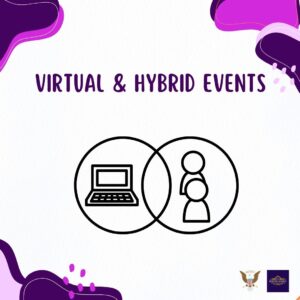
💻 Types of Events – Virtual & Hybrid Events
Let’s modernize your thinking.
Virtual and hybrid events are not “Zoom meetings.”
They are technology-driven productions.
If you are not upgrading your technical competence, you are already behind.
The global industry has shifted.
Clients now demand flexibility, wider reach, and digital engagement.
🔎 What Is a Virtual Event?
A virtual event is hosted entirely online.
Participants attend through digital platforms.
This includes:
→ Webinars
→ Online conferences
→ Virtual product launches
→ Digital trainings
→ Live-streamed panels
The audience may be in different countries, time zones, and networks.
That means technical stability is non-negotiable.
🌐 What Is a Hybrid Event?
A hybrid event combines physical and virtual audiences.
You are managing:
→ On-site attendees
→ Remote participants
→ Live streaming systems
→ Real-time interaction tools
Hybrid events are double responsibility.
You are running two experiences simultaneously.
If the physical event is smooth but the stream fails, you have failed half your audience.
⚙️ Operational Demands
Virtual and hybrid events require technical planning.
You must understand:
→ Streaming platforms
→ Audio clarity and microphone setup
→ Lighting for cameras
→ Internet bandwidth requirements
→ Backup connectivity
→ Screen management and presentation flow
→ Real-time moderation
In Nigeria, unstable power and internet are real risks.
If you do not plan backups — generators, data redundancy, secondary devices — your event can collapse publicly.
Digital failure is visible instantly.
💰 Revenue & Value Structure
Virtual and hybrid events can generate income through:
→ Paid registrations
→ Sponsored digital banners
→ Virtual exhibition booths
→ Replay access sales
But monetization requires strategy.
Free links without structured registration is amateur execution.
You must track data.
Who attended?
How long did they stay?
Who engaged?
Data is power in digital events.
🇳🇬 Hard Truth
Many virtual events in Nigeria suffer from:
→ Poor sound quality
→ Background noise
→ Weak lighting
→ Late speaker log-ins
→ Disorganized moderation
That signals incompetence.
Professional virtual managers conduct:
→ Technical rehearsals
→ Speaker tech checks
→ Dry runs before live sessions
→ Backup host arrangements
→ Structured moderation scripts
Digital professionalism is visible.
🎯 What This Tests
Virtual and hybrid events test your:
→ Technical awareness
→ Attention to detail
→ Speed in crisis resolution
→ Ability to multitask
→ Calmness under public pressure
There is no hiding online.
Mistakes are recorded.
And clips circulate.
🔥 Final Reality
The future of events is not fully physical or fully digital.
It is integrated.
If you want to stay relevant in this industry, you must move beyond décor knowledge and master digital production awareness.
Because competence in today’s event industry includes technology.
And those who ignore that shift will slowly disappear from serious contracts.
Tolu Adeyemi had built a solid name for herself in Lagos’ social event space.
Luxury birthdays. Society weddings. Corporate dinners.
But this was different.
She had just won the contract to manage the West Africa Digital Innovation Forum — a hybrid event.
Event structure:
→ 180 physical attendees at a hotel in Victoria Island
→ 1,500 virtual participants across Nigeria, Ghana, Kenya, and the UK
→ 3 international keynote speakers joining remotely
→ Paid virtual tickets at ₦25,000 each
→ Corporate sponsors with digital branding rights
→ Full recording rights for replay sales
The client made one thing clear:
“This event must look international.”
Tolu nodded confidently.
Two Weeks to Go
Her décor team was ready.
Stage design looked clean.
LED backdrop installed.
But during a casual conversation, her technical vendor asked:
“Have we tested the venue’s upload speed?”
Silence.
They ran a speed test.
It fluctuated.
The hotel’s WiFi was stable for browsing — but not for high-definition streaming.
Tolu now had a decision:
Ignore it and hope it works on event day.
Or invest in a bonded internet backup line and secondary router system.
She approved the upgrade.
It increased her cost.
But she moved.
One Week Before Event
During rehearsal with an international speaker based in London, another issue surfaced.
The speaker’s microphone echoed.
His lighting was poor.
His camera angle was unprofessional.
Tolu could have ignored it.
Instead, she scheduled a full technical check:
→ Tested his audio
→ Advised on lighting placement
→ Sent a basic “speaker setup guide”
→ Conducted a dry run
The speaker was impressed.
Event Day – 8:57 AM
Three minutes to go live.
Physical guests seated.
Virtual waiting room full.
Suddenly:
The primary internet line dropped.
For five seconds.
Her technical director looked at her.
Tolu didn’t panic.
“Switch to backup.”
The bonded router activated.
Stream stabilized.
Virtual attendees never noticed.
Mid-Event Crisis
During a high-level panel discussion, the remote moderator’s screen froze.
The chat section began reacting.
Without hesitation, Tolu activated the secondary host — already pre-briefed.
The conversation continued seamlessly.
Onsite audience remained engaged.
Virtual participants stayed connected.
Post-Event Reality
Within 12 hours, Tolu delivered:
→ Attendance analytics
→ Engagement metrics
→ Sponsor banner click-through data
→ Replay purchase report
→ Post-event feedback summary
The client sent a message:
“This felt like a global production.”
It was not luck.
It was preparation.
The Lesson
Tolu understood something many planners ignore:
Hybrid events are not décor projects.
They are technical productions.
You are managing:
→ Bandwidth
→ Cameras
→ Audio
→ Power redundancy
→ Digital experience
→ Data tracking
And in a digital world, failure is recorded permanently.
Tolu did not “hope” technology would behave.
She engineered control.
That is the difference between a planner and a professional.
And in today’s event industry, technology competence is no longer optional.
It is survival.

🎨 Experience-Driven Design

Events are no longer about decoration.
They are about experience.
People don’t remember centerpieces.
They remember how they felt.
If your event does not intentionally design the guest journey, you are operating below global standard.
🔎 What Is Experience-Driven Design?
Experience-driven design means planning every touchpoint of an event to create a deliberate emotional and psychological impact.
It is intentional.
From the moment a guest receives an invite to the moment they leave the venue, everything is engineered.
Not guessed.
🧠 The Guest Journey Mindset
You must think in stages:
→ Anticipation (before the event)
→ Arrival (first impression)
→ Immersion (main experience)
→ Engagement (interaction points)
→ Exit (final memory)
→ Post-event recall (what they say after)
If you have never mapped these stages, you are not designing — you are assembling.
🎯 Emotional Architecture
Experience design asks:
What should guests feel?
→ Excited?
→ Exclusive?
→ Inspired?
→ Powerful?
→ Connected?
Every design decision must support that emotion.
Lighting affects mood.
Music affects energy.
Seating layout affects interaction.
Flow affects comfort.
Nothing should be random.
🏗 Practical Application
Experience-driven events require:
→ Cohesive theme alignment
→ Sensory coordination (sound, scent, lighting, texture)
→ Structured program pacing
→ Controlled crowd movement
→ Intentional branding visibility
Even transitions between segments matter.
Dead air kills experience.
Confusion kills immersion.
🇳🇬 Nigerian Context – Hard Truth
In Nigeria, many events focus heavily on décor scale but ignore flow.
You see:
→ Long waiting periods
→ Disorganized entrances
→ Poorly timed food service
→ Chaotic stage transitions
That breaks experience.
Professional planners design smoothness.
Guests should never feel logistics.
They should only feel impact.
💰 Why This Matters Financially
Experience creates:
→ Brand loyalty
→ Social media amplification
→ Word-of-mouth marketing
→ Repeat bookings
When guests post voluntarily, you have succeeded.
When they complain privately, you have failed silently.
🔥 The Reality
Anyone can rent chairs.
Few can engineer emotion.
Experience-driven design separates event decorators from event strategists.
If you master this, your events stop being “nice.”
They become unforgettable.
And in this industry, unforgettable is what commands premium fees.
🖥️ Event Technology Integration
Let’s be honest.
If you are still running events fully manually in 2026, you are operating below global standard.
Technology is no longer optional in event management.
It is a competitive advantage.
And in some cases, it is the difference between chaos and control.
🔎 What Is Event Technology Integration?
Event technology integration means using digital tools to plan, manage, execute, and measure events more efficiently and professionally.
It is not about being flashy.
It is about being structured.
Technology should improve:
→ Planning
→ Communication
→ Registration
→ Guest engagement
→ Data tracking
→ Post-event reporting
If tech does not improve efficiency, you are using it wrongly.
⚙️ Where Technology Matters Most
1️⃣ Registration & Ticketing
Professional events now use:
→ Online registration forms
→ QR code check-in systems
→ Automated confirmation emails
→ Badge printing systems
Manual guest lists cause delays and embarrassment.
Technology speeds entry and improves guest experience.
2️⃣ Project Management
Serious event managers use digital tools to track:
→ Task assignments
→ Vendor deadlines
→ Budget updates
→ Production timelines
If everything is in your head or WhatsApp chats, you are exposed to mistakes.
Structure creates control.
3️⃣ Communication & Coordination
Technology helps manage:
→ Vendor updates
→ Team scheduling
→ Real-time problem solving
→ Shared event documents
Clear digital communication reduces confusion.
Confusion is expensive.
4️⃣ Engagement & Experience
Modern events use:
→ LED screens
→ Interactive polling systems
→ Live social media feeds
→ Event apps
→ Digital seating charts
→ Hybrid streaming platforms
The goal is not noise.
The goal is controlled, enhanced experience.
5️⃣ Data & Measurement
After the event, professionals can answer:
→ How many people attended?
→ How long did they stay?
→ Which session had the highest engagement?
→ Which sponsors got visibility?
Data strengthens your next proposal.
If you cannot measure impact, corporate clients will not take you seriously.
Hard Truth
In Nigeria, common weaknesses include:
→ Poor internet backup
→ No power redundancy
→ Last-minute technical setup
→ No rehearsal with equipment
Technology without preparation is a public disaster.
You must plan:
→ Backup power
→ Backup internet
→ Spare microphones
→ Secondary laptops
→ Technical rehearsals
Digital failure is loud.
And it spreads fast online.
🎯 What This Tests
Event technology integration tests your:
→ Adaptability
→ Technical awareness
→ Leadership under pressure
→ Ability to think beyond décor
You do not need to be an IT expert.
But you must understand enough to manage tech teams confidently.
🔥 Final Reality
The global event industry is becoming smarter, faster, and more data-driven.
If you ignore technology, you limit your growth.
Competence today includes digital fluency.
Because in modern event management, smooth systems impress more than loud decorations.
And serious clients pay for smooth systems.

Event QR code check in
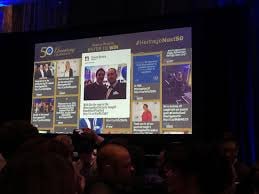
Event live social media feeds

Event hybrid live streaming

🌐 Hybrid Event Models
Let’s think strategically.
Hybrid events are not “physical event + camera.”
They are dual-experience productions.
You are not just adding streaming.
You are designing two parallel journeys:
→ The in-person audience
→ The virtual audience
If one side feels secondary, you have failed.
🔎 What Is a Hybrid Event Model?
A hybrid event model integrates physical attendance with digital participation in a structured way.
It allows:
→ Guests to attend at the venue
→ Remote participants to join online
→ Real-time interaction between both audiences
But structure determines success.
Without planning, hybrid becomes confusion.
🏗 Common Hybrid Models
1️⃣ Physical-First Model
This model prioritizes the in-person audience.
The virtual audience watches and participates in a limited way.
Best used when:
→ The venue experience is central
→ Digital participation is secondary
→ Budget is moderate
Risk: Virtual attendees may feel disconnected.
2️⃣ Digital-Integrated Model
Both audiences are intentionally engaged.
Includes:
→ Live polling
→ Virtual Q&A integration
→ On-screen display of online comments
→ Dedicated online moderator
This model requires stronger technical coordination.
But it delivers balanced value.
3️⃣ Hub-and-Spoke Model
Multiple physical locations connect digitally.
For example:
→ Main event in Lagos
→ Satellite viewing hubs in Abuja and Port Harcourt
→ All connected through live broadcast
This model increases reach but increases technical complexity.
Bandwidth planning becomes critical.
⚙️ Operational Demands
Hybrid events require:
→ Strong internet redundancy
→ Professional streaming setup
→ Dedicated virtual host or moderator
→ Technical rehearsals
→ Clear camera positioning
→ Structured cue sheets
You must think like a broadcaster.
Because once live, there is no hiding.
Hard Truth
Hybrid events in Nigeria often fail due to:
→ Weak internet backup
→ Poor sound capture
→ No rehearsal
→ Single power source dependency
If you do not plan for generator backup and secondary data connection, your event can collapse publicly.
Hybrid demands preparation.
Not optimism.
💰 Strategic Advantage
When done well, hybrid models:
→ Increase audience reach
→ Attract international participants
→ Create sponsorship visibility
→ Generate digital replay revenue
It also allows data tracking.
And data strengthens corporate positioning.
🎯 What Hybrid Events Test
Hybrid models test your:
→ Technical awareness
→ Crisis management speed
→ Team coordination
→ Attention to detail
→ Planning depth
This is not beginner-level execution.
It requires structure.
🔥 Final Reality
The future of serious conferences, summits, and corporate events is hybrid.
Not fully physical.
Not fully virtual.
Integrated.
If you want to stay competitive in this industry, you must understand hybrid design beyond “let’s stream it.”
Because competence in hybrid events separates forward-thinking professionals from outdated planners.
And the market always rewards those who evolve.

🌱 Sustainability in Event Management
Let’s address something many planners ignore.
Sustainability is not a trend.
It is becoming an expectation.
Globally, clients now ask:
→ How environmentally responsible is this event?
→ How much waste will it generate?
→ Can materials be reused?
→ What is the carbon footprint?
If you cannot answer these questions, you are not operating at international standard.
🔎 What Is Sustainable Event Management?
Sustainability in events means planning and executing events in a way that minimizes environmental impact while maintaining quality and profitability.
It focuses on:
→ Reducing waste
→ Responsible sourcing
→ Energy efficiency
→ Ethical vendor selection
→ Community impact
It is not about reducing luxury.
It is about reducing wastefulness.
🏗 Where Sustainability Matters
1️⃣ Waste Management
Events generate:
→ Plastic waste
→ Food waste
→ Paper waste
→ Packaging waste
Professional planners now integrate:
→ Recycling stations
→ Digital invites instead of printed materials
→ Controlled catering portions
→ Reusable décor elements
Waste reduction is operational intelligence.
2️⃣ Energy Use
Lighting, sound, LED screens, and cooling systems consume power.
Smart planners consider:
→ Energy-efficient lighting
→ Controlled power distribution
→ Equipment shutdown protocols
→ Generator fuel management
In Nigeria, where generators are common, energy planning is critical.
Fuel waste equals cost waste.
3️⃣ Vendor & Material Sourcing
Sustainability includes:
→ Choosing local vendors where possible
→ Avoiding single-use décor
→ Renting instead of excessive purchasing
→ Using durable staging materials
Local sourcing reduces logistics costs and environmental strain.
It also supports community economy.
4️⃣ Social Responsibility
Sustainability is not only environmental.
It also includes:
→ Fair vendor payment practices
→ Ethical labor treatment
→ Safety compliance
→ Accessibility for guests with disabilities
An event that looks beautiful but exploits vendors is not sustainable.
🇳🇬 Nigerian Context – Hard Truth
In Nigeria, many events are extremely wasteful.
You see:
→ Excess food thrown away
→ Massive plastic usage
→ Décor discarded after one use
→ No waste separation
That is not professionalism.
It is poor planning.
Sustainability is actually smart cost management.
When you reuse strategically, you protect both environment and profit.
💰 Business Advantage
Sustainable events:
→ Attract corporate and international clients
→ Improve brand perception
→ Reduce long-term operating costs
→ Position you as forward-thinking
As global partnerships increase, sustainability reporting will become mandatory for serious contracts.
Prepare now.
🔥 Final Reality
Sustainability is not about being “eco-friendly” for social media.
It is about operational intelligence.
It shows that you think long-term.
And in this industry, long-term thinkers build lasting brands.
Because competence includes responsibility.
And responsible planners lead the future of event management.

📊 Data-Driven Planning
Let’s move beyond guesswork.
If your event decisions are based on “I think,” “last time we did it like this,” or “this is how we usually do it,” you are operating emotionally — not professionally.
Modern event management is data-driven.
And serious clients expect evidence, not assumptions.
🔎 What Is Data-Driven Planning?
Data-driven planning means using measurable information to guide event decisions before, during, and after execution.
Instead of guessing, you analyze:
→ Attendance trends
→ Audience demographics
→ Engagement levels
→ Revenue performance
→ Cost breakdown patterns
→ Feedback responses
Data reduces risk.
Emotion increases it.
🏗 Where Data Should Influence You
1️⃣ Budgeting Decisions
You should know:
→ Which expense category overruns most often
→ Which vendor types inflate costs
→ Which areas deliver highest ROI
If décor consumes 40% of the budget but guests spend most time networking, your allocation strategy needs review.
2️⃣ Venue Selection
Data helps answer:
→ What was actual attendance vs. expected?
→ Was there overcrowding?
→ Was there wasted unused space?
Bigger is not always better.
Efficient is better.
3️⃣ Marketing & Promotion
Instead of random promotion, data tells you:
→ Which platform drives registrations
→ What time your audience engages most
→ Which messaging converts best
This is how conferences and exhibitions scale.
4️⃣ Program Structure
Post-event analysis should reveal:
→ Which sessions had full attendance
→ When audience attention dropped
→ Which speakers generated engagement
If guests consistently leave before closing remarks, your schedule structure needs adjustment.
Hard Truth
Many planners in Nigeria do not track:
→ Accurate guest numbers
→ Revenue vs. profit
→ Actual vendor cost vs. projected
→ Detailed post-event feedback
That means mistakes repeat.
Without data, growth is slow.
With data, improvement is intentional.
💰 Why Data Protects Profit
Data-driven planners can:
→ Price accurately
→ Forecast attendance
→ Reduce waste
→ Improve sponsor proposals
→ Demonstrate measurable impact
Corporate clients especially respect numbers.
If you can show metrics, you gain credibility.
🎯 What This Tests
Data-driven planning tests your:
→ Discipline in documentation
→ Honesty in reviewing mistakes
→ Willingness to improve
→ Financial intelligence
It requires humility.
Because data exposes weaknesses.
🔥 Final Reality
Creativity gets attention.
Data sustains growth.
If you want to operate at higher levels — conferences, corporate events, exhibitions, hybrid models — you must measure performance.
Because in today’s industry, competence is not just how smooth your event looks.
It is how well you can prove its impact.
In this module, we move from mindset to structure.
You will learn the step-by-step professional framework that governs serious event execution — from concept to post-event evaluation.
This is where we break down:
→ How to translate client ideas into structured event briefs
→ How to define scope clearly and avoid assumption
→ How to build realistic budgets and protect profit
→ How to create timelines that prevent last-minute chaos
→ How to manage vendors with authority
→ How to implement risk and contingency planning
→ How to conduct post-event analysis for improvement
This module is about systems.
Because talent without framework leads to stress.
Framework without discipline leads to failure.
By the end of this module, you should be able to look at any event — wedding, conference, exhibition, corporate function — and immediately see the structure behind it.
No more guesswork.
No more “we’ll figure it out.”
Professional event management follows a process.
And once you master that process, your execution becomes predictable, scalable, and profitable.
Competence begins with structure.
🎯 Concept Development
Let’s be clear.
Concept development is not picking colors and fonts.
It is strategic thinking.
Before décor, before venue, before vendors — there must be clarity of purpose.
If the concept is weak, the event will feel disjointed no matter how beautiful it looks.
🔎 What Is Event Concept Development?
Concept development is the process of defining the core idea that drives the entire event.
It answers critical questions:
→ Why is this event happening?
→ Who is it for?
→ What outcome is expected?
→ What emotion should it create?
→ What message must it communicate?
If you cannot answer these confidently, you are decorating, not planning.
🧠 Step 1: Define the Objective
Every event must have a primary objective.
Is it to:
→ Generate sales?
→ Celebrate a milestone?
→ Launch a product?
→ Educate participants?
→ Build brand visibility?
Without a clear objective, budgeting and design decisions will lack direction.
In corporate events, objectives determine ROI.
In weddings, objectives determine tone and scale.
In exhibitions, objectives determine layout and marketing intensity.
Clarity saves money.
👥 Step 2: Understand the Audience
Different audiences require different experiences.
Ask:
→ What is their demographic?
→ What is their social or economic level?
→ What do they value?
→ What will impress them?
→ What will annoy them?
A luxury wedding audience differs from a youth conference audience.
A government summit audience differs from a tech startup launch crowd.
Concept must align with audience psychology.
🎨 Step 3: Translate Idea Into Theme & Experience
Now you move into creative alignment.
The concept influences:
→ Theme direction
→ Color palette
→ Venue choice
→ Program structure
→ Entertainment style
→ Décor tone
→ Dress code
→ Communication style
Everything must speak the same language.
When elements conflict, the event feels confused.
💰 Step 4: Align Concept With Budget Reality
Hard truth.
Some clients want international-level production with local-level budget.
Your job is to balance ambition with financial reality.
Concept must be:
→ Vision-driven
→ Budget-conscious
→ Logistically achievable
Overpromising damages credibility.
Professional planners protect feasibility.
Hard Truth
In Nigeria, many clients say:
“I just want something classy.”
That is not a concept.
That is vague language.
Your responsibility is to extract clarity.
Ask structured questions.
Document answers.
Create a clear event brief.
If you skip this step, confusion will follow.
🧾 Deliverable of Strong Concept Development
A professional concept should result in:
→ A written event brief
→ Clear objective statement
→ Defined target audience
→ Mood board or visual direction
→ Preliminary budget alignment
If this foundation is strong, execution becomes smoother.
If this foundation is weak, you will spend the event week firefighting.
🔥 Final Reality
Concept development is the brain of the event.
Décor is the face.
Operations is the skeleton.
Finance is the bloodstream.
If the brain is unclear, the body cannot function properly.
Competence begins at the concept stage.
Because strong execution is built on clear thinking.
A fast-growing logistics company in Lagos hires an event planner to manage their 10-Year Anniversary Celebration.
The client says only one thing during the briefing:
> “We just want something classy and big.”
The planner nods confidently.
No structured discovery session.
No written event brief.
No clear objective defined.
The assumption?
“It’s an anniversary. We’ll make it glamorous.”
🚨 What Was Never Clarified
No one clearly established:
→ Is the goal staff appreciation or brand positioning?
→ Is this a networking opportunity for investors?
→ Is it media-facing?
→ Is it internally focused?
→ What tone is appropriate — celebratory or strategic?
→ Who is the primary audience — employees or corporate partners?
The planner moves straight to décor mood boards.
Gold and black theme selected.
Luxury ballroom booked.
Celebrity host confirmed.
It looks impressive.
But the concept is hollow.
📉 The Event Day Reality
Guests arrive.
Half the audience are corporate partners expecting strategic speeches.
The other half are junior staff expecting celebration and entertainment.
The program runs like this:
→ Long CEO speech about company performance
→ Investor presentation slides
→ Random dance performance
→ Comedy segment
→ Awards with no clear criteria
→ Loud after-party DJ set
The tone keeps shifting.
Confusion spreads.
Investors feel the event is unserious.
Staff feel the event is boring and overly corporate.
Media leaves early because there is no clear story angle.
The event looks beautiful.
But it feels disconnected.
💰 Financial Damage
Because the objective wasn’t defined:
→ 40% of the budget went into décor
→ Minimal allocation went into content structure
→ No press kit was prepared
→ No brand messaging strategy was developed
→ No measurable ROI was defined
After the event, the client asks:
“What did we actually achieve?”
Silence.
No clear answer.
🧨 Internal Fallout
Two weeks later:
The CEO expresses disappointment.
An investor remarks privately that the event lacked direction.
Staff complain the celebration didn’t feel personal.
The planner insists:
“But the hall looked amazing.”
The client responds:
“That was never the issue.”
🔥 The Hard Lesson
The problem was not décor.
The problem was concept.
Because:
→ No clear objective = confused budget allocation
→ No defined audience = mixed messaging
→ No documented brief = inconsistent execution
→ No strategic direction = no measurable outcome
The event had a face.
But no brain.
And when the brain is weak, the body collapses under pressure.
🎯 Final Reality
Skipping concept development does not save time.
It creates chaos.
If clarity is missing at the beginning,
you will pay for it at the end.
And in professional event management,
confusion is expensive.
📊 Feasibility Analysis
Let’s get serious.
Not every idea is executable.
Not every client vision is realistic.
And not every event should move forward as proposed.
Feasibility analysis is where professionals separate ambition from reality.
If you skip this stage, you inherit stress, financial loss, and reputational damage.
🔎 What Is Feasibility Analysis?
Feasibility analysis is the structured evaluation of whether an event concept can be successfully delivered within the available:
→ Budget
→ Timeline
→ Resources
→ Location constraints
→ Technical capacity
→ Regulatory requirements
It is about answering one hard question:
Can this be delivered properly — or are we setting ourselves up to fail?
💰 Financial Feasibility
Start with the money.
Ask:
→ Does the budget match the scale of expectation?
→ Are vendor costs realistic?
→ Is there contingency allocation?
→ Is projected revenue achievable (if ticketed)?
In Nigeria, many events collapse financially because planners agree to unrealistic budgets just to secure the job.
Professionalism means knowing when to say:
“This budget cannot support this vision.”
⏳ Time Feasibility
Time is as important as money.
Ask:
→ Is the timeline realistic?
→ Are vendors available?
→ Is production time adequate?
→ Are approvals required?
Luxury wedding in three weeks?
Large conference in one month without sponsor confirmation?
Possible does not always mean advisable.
🏗 Operational Feasibility
You must evaluate:
→ Venue capacity vs. guest size
→ Power supply stability
→ Internet reliability (for hybrid events)
→ Security considerations
→ Crowd management requirements
In Nigeria, power and logistics must always be double-checked.
Hope is not a strategy.
Backup is.
📜 Legal & Regulatory Feasibility
Certain events require:
→ Government permits
→ Police approval
→ Noise compliance
→ Insurance coverage
→ Fire safety compliance
Ignoring these can shut down an event on the day.
And that is public embarrassment.
👥 Human Resource Feasibility
Ask:
→ Do you have the team capacity?
→ Do you need subcontractors?
→ Can your current structure handle the scale?
Taking on a 1,000-guest event with a 4-person team without expansion planning is operational suicide.
Hard Truth
In Nigeria, planners often:
→ Accept unrealistic deadlines
→ Agree to incomplete deposits
→ Ignore permit requirements
→ Assume vendors will “manage somehow”
That mindset leads to chaos.
Feasibility analysis is not negativity.
It is risk protection.
🎯 The Professional Outcome
After feasibility analysis, you should have:
→ A realistic execution plan
→ Adjusted scope if necessary
→ Clear cost validation
→ Risk awareness
→ Decision clarity
Sometimes the right decision is to modify the concept.
Sometimes it is to postpone.
Sometimes it is to decline.
Declining unworkable projects protects your brand.
🔥 Final Reality
Feasibility analysis is where competence becomes visible.
Amateurs chase opportunity.
Professionals evaluate viability.
Because a well-delivered medium-scale event builds reputation.
A poorly executed large-scale event destroys it.
And in this industry, your name is your currency.

💰 Budgeting
Let’s confront reality.
Budgeting is where many event planners either build profit — or build debt.
Creativity attracts clients.
Budget control keeps you in business.
If you cannot read, structure, and defend a budget confidently, you are not yet operating at a professional level.
🔎 What Is Event Budgeting?
Budgeting is the structured allocation and management of financial resources required to deliver an event successfully.
It answers:
→ What will this event cost?
→ Where is the money coming from?
→ What is the projected profit?
→ What are the financial risks?
Budgeting is not guesswork.
It is calculation.
🏗 Core Budget Categories
Every serious event budget must account for:
→ Venue costs
→ Production (sound, lighting, staging)
→ Décor and design
→ Catering
→ Technical support
→ Staffing and coordination
→ Marketing and communication
→ Security
→ Logistics and transportation
→ Contingency reserve
If any category is missing, your budget is incomplete.
Incomplete budgets create surprises.
And surprises reduce profit.
📊 Costing vs. Pricing
This is where many Nigerian planners struggle.
Costing = What the event will cost you.
Pricing = What you will charge the client.
They are not the same.
Your pricing must include:
→ Direct costs
→ Operational overhead
→ Team payments
→ Administrative expenses
→ Profit margin
If you only add vendor costs and forget your own structure, you are working for free.
⚖️ Profit Margin Discipline
Professional planners determine profit before presenting proposals.
Ask yourself:
→ What percentage profit am I targeting?
→ Does this event justify the effort level?
→ Is the risk level worth the return?
High stress with low margin is poor strategy.
Busy does not equal profitable.
🧾 Payment Structure
Strong budgeting includes structured payment terms.
For example:
→ Initial deposit before work begins
→ Mid-stage payment before production
→ Final balance before event day
In Nigeria, accepting incomplete deposits exposes you to loss.
Never finance a client’s event from your own pocket.
Professional boundaries protect business.
⚠️ Hidden Costs Many Forget
Events often incur:
→ Extra fuel usage
→ Last-minute vendor additions
→ Overtime payments
→ Emergency rentals
→ Traffic delays affecting logistics
That is why contingency allocation is non-negotiable.
Always reserve a percentage for unexpected expenses.
🇳🇬 Nigerian Context – Hard Truth
Many planners:
→ Underprice to win contracts
→ Inflate without structure
→ Fail to document cost breakdown
→ Struggle to defend their fees
Corporate clients respect transparency.
Luxury clients respect clarity.
But nobody respects confusion.
If you cannot explain your numbers, clients lose trust.
🎯 What Budgeting Tests
Budgeting tests your:
→ Financial intelligence
→ Discipline
→ Negotiation skills
→ Confidence
→ Professional maturity
It forces you to think like a business owner, not just a creative.
🔥 Final Reality
Events move money.
If you cannot control money, money will control you.
Strong budgeting creates:
→ Predictable profit
→ Reduced stress
→ Clear negotiation power
→ Sustainable growth
In this industry, competence is not only visible in beautiful execution.
It is visible in clean financial management.
Because long-term success is built on controlled numbers — not loud aesthetics.
Chinedu, an event planner in Lagos, secured a 300-guest wedding in Lekki.
The client’s declared budget: ₦12 million.
Deposit received: ₦3 million (25%).
Chinedu was excited.
It was his biggest contract that year.
He rushed to send a proposal — without detailed cost validation.
📊 What He Estimated (Roughly)
He assumed:
→ Venue: ₦1.8 million
→ Décor: ₦3.5 million
→ Catering: ₦3 million
→ Sound & lighting: ₦1.2 million
→ Photography & videography: ₦800,000
→ Miscellaneous: ₦700,000
Total rough estimate: ₦11 million
He told himself:
“That leaves me ₦1 million profit.”
But he never created a detailed spreadsheet.
⚠️ What Actually Happened
1️⃣ Venue Upgrade
The bride upgraded to a more premium hall in Victoria Island.
Actual venue cost: ₦2.5 million
Difference: +₦700,000
2️⃣ Décor Inflation
Fresh flower imports increased due to dollar rate fluctuation.
Original décor quote: ₦3.5 million
Revised quote: ₦4.6 million
Difference: +₦1.1 million
3️⃣ Catering Adjustment
Guest list increased from 300 to 370.
Catering moved from ₦3 million to ₦4.1 million
Difference: +₦1.1 million
4️⃣ Hidden Logistics Costs
→ Extra generator fuel: ₦250,000
→ Traffic delay overtime (staff & vendors): ₦300,000
→ Additional chairs & rentals: ₦280,000
→ Last-minute bridal suite upgrade: ₦350,000
Unplanned extras: ₦1.18 million
📉 The Financial Reality
Final total event cost:
₦2.5m (venue)
- ₦4.6m (décor)
- ₦4.1m (catering)
- ₦1.2m (production)
- ₦800k (photo/video)
- ₦1.18m (extras)
Total = ₦14.38 million
But the agreed contract price was ₦12 million.
Shortfall: ₦2.38 million
💣 The Real Problem
Chinedu had already paid vendors using:
→ Client deposit
→ Personal savings
→ A short-term loan from a friend
By event week, the client still hadn’t paid the final balance of ₦4 million.
Chinedu covered vendor payments from his own pocket to avoid embarrassment.
After all payments cleared, he calculated:
Instead of making ₦1 million profit,
he had lost ₦2.3 million.
And he still had personal debt.
🧠 What Went Wrong?
→ No detailed cost validation before proposal
→ No contingency allocation (minimum 10–15% should have been ₦1.2–₦1.8 million)
→ No profit margin clearly built into pricing
→ No strict guest count control clause
→ No structured payment milestone enforcement
→ No buffer for inflation or exchange rate impact
He priced emotionally.
Not strategically.
🔥 The Hard Lesson
The wedding looked beautiful.
Guests praised the décor.
The bride was happy.
But Chinedu went home financially drained.
Because he confused:
Busy with profitable.
Exciting with sustainable.
Big contract with smart contract.
💡 Final Reality
In Nigeria’s current economy:
Fuel prices fluctuate.
Dollar rates fluctuate.
Vendor quotes fluctuate.
If your budgeting is not structured and defensive:
You will fund someone else’s celebration
with your own capital.
And in event management,
uncontrolled numbers destroy businesses quietly.
Creativity brought Chinedu the job.
Poor budgeting cost him ₦2.3 million.
That is the difference between planning events and running a business.
🤝 Vendor Sourcing
Let’s speak plainly.
Your vendors can make you look like a genius.
Or they can destroy your reputation in one afternoon.
You are only as strong as the weakest vendor on your team.
Vendor sourcing is not about who is your friend.
It is about who is reliable, competent, and structured.
🔎 What Is Vendor Sourcing?
Vendor sourcing is the strategic process of identifying, evaluating, selecting, and managing third-party service providers required for event execution.
This includes:
→ Caterers
→ Decorators
→ Sound & lighting teams
→ Photographers & videographers
→ Security teams
→ Ushers
→ Rental companies
→ Technical crew
Sourcing is not random selection.
It is risk management.
🧠 Step 1: Due Diligence
Before recommending any vendor, ask:
→ Do they have proven experience?
→ Do they deliver consistently?
→ Do they respect timelines?
→ Can they handle this scale?
→ Do they have backup equipment?
Never assume.
Verify.
Past performance is the strongest predictor of event-day performance.
💰 Step 2: Cost Evaluation vs. Value
Cheapest is rarely safest.
When comparing vendors, assess:
→ Quality of output
→ Professionalism
→ Communication clarity
→ Equipment standard
→ Crisis response ability
A cheaper vendor who fails costs more than a premium vendor who delivers.
Protecting your brand is more important than saving small margins.
📄 Step 3: Clear Agreements
Every vendor engagement should include:
→ Written scope of work
→ Deliverables list
→ Setup and breakdown time
→ Payment structure
→ Cancellation terms
→ Penalty clauses where necessary
Verbal agreements are dangerous.
Especially in high-budget Nigerian events.
Clarity prevents conflict.
⚙️ Step 4: Vendor Coordination
Once selected, vendors must be managed.
You must:
→ Share event timelines
→ Conduct briefing sessions
→ Confirm technical requirements
→ Schedule rehearsals
→ Clarify access times
A good vendor without coordination can still fail.
Leadership is your responsibility.
Nigerian Context – Hard Truth
In Nigeria, common vendor issues include:
→ Late arrival
→ Equipment malfunction
→ Sudden price changes
→ Incomplete delivery
→ Excuses on event day
Professional planners reduce these risks through:
→ Pre-event inspections
→ Clear contracts
→ Partial payments tied to milestones
→ Backup vendor options
Hope is not vendor management.
Structure is.
🔐 Building a Reliable Vendor Network
Serious planners build a vetted vendor database.
This includes:
→ Performance history
→ Pricing benchmarks
→ Strengths and weaknesses
→ Availability patterns
Your network becomes your competitive advantage.
Strong relationships built on respect and fairness create loyalty.
🎯 What Vendor Sourcing Tests
Vendor sourcing tests your:
→ Judgment
→ Negotiation skills
→ Leadership
→ Communication clarity
→ Risk awareness
You are not just hiring service providers.
You are assembling an execution team.
🔥 Final Reality
Clients do not blame vendors.
They blame you.
Even if the caterer fails.
Even if the DJ arrives late.
Even if the generator breaks down.
You are the coordinator.
That is why vendor sourcing must be strategic, disciplined, and structured.
Because competence in event management is not about doing everything yourself.
It is about choosing the right people — and managing them correctly.

🚛 Logistics Planning
Let’s get serious.
Logistics is where events succeed quietly — or collapse publicly.
Guests don’t see logistics when it works.
But they feel it immediately when it fails.
Late start.
Power delay.
Vendor confusion.
Traffic chaos.
That is logistics failure.
And in this industry, logistics is not glamour — it is control.
🔎 What Is Logistics Planning?
Logistics planning is the structured coordination of all physical and operational elements required to execute an event smoothly.
It answers:
→ Who needs to be where?
→ At what time?
→ With what equipment?
→ Through which access point?
→ Under what backup plan?
If these answers are not documented, you are gambling.
🏗 Core Areas of Event Logistics
Serious logistics planning covers:
→ Venue access and layout
→ Loading and offloading schedules
→ Equipment transportation
→ Power distribution planning
→ Seating and crowd flow
→ Security coordination
→ Vendor setup timelines
→ Guest parking management
→ Accommodation (if required)
→ Traffic control
Every movement must be mapped.
Assumption creates delay.
Delay creates embarrassment.
⏳ Timing Is Everything
Professional logistics is time-driven.
You must create:
→ Setup schedules
→ Technical rehearsal slots
→ Vendor arrival windows
→ Sound checks
→ Final inspection checkpoints
If everyone shows up at the same time, congestion begins.
Congestion leads to stress.
Stress leads to mistakes.
⚡ Power & Technical Backup (Especially in Nigeria )
Let’s speak honestly.
In Nigeria, power failure is not a possibility.
It is a probability.
Your logistics plan must include:
→ Generator capacity calculation
→ Fuel estimation
→ Backup generator
→ Electrical load distribution
→ Dedicated technical supervisor
If the lights go off during a keynote speech or wedding entrance, your planning is exposed.
Hope is not a power plan.
Redundancy is.
🚦 Crowd & Flow Management
Logistics is also about human movement.
You must consider:
→ Entry and exit points
→ VIP access routes
→ Emergency evacuation paths
→ Registration desk positioning
→ Restroom accessibility
If guests feel squeezed, confused, or delayed, the experience weakens.
Smooth flow equals professional delivery.
📦 Coordination & Communication
Logistics requires constant coordination between:
→ Vendors
→ Venue management
→ Security
→ Technical crew
→ Ushers
→ Transportation providers
Silence creates confusion.
Clear command structure creates order.
🇳🇬 Nigerian Context – Hard Truth
Many events in Nigeria fail because:
→ Vendors arrive without access passes
→ Setup clashes occur
→ Parking is not planned
→ Equipment transport is delayed
→ Traffic is ignored
Professional planners conduct:
→ Site inspections before event day
→ Dry runs
→ Vendor briefings
→ Access scheduling
→ Emergency planning
Preparation reduces chaos.
🎯 What Logistics Planning Tests
Logistics tests your:
→ Attention to detail
→ Time management
→ Crisis response ability
→ Leadership authority
→ Structural thinking
It reveals whether you are organized or reactive.
🔥 Final Reality
Beautiful décor cannot save poor logistics.
Expensive production cannot compensate for bad coordination.
Logistics is the backbone of event operations.
If it is strong, your event feels effortless.
If it is weak, everything feels rushed and unprofessional.
Competence in event management is visible in logistics.
Because true professionals control movement, timing, and structure — not just aesthetics.
🎬 Execution
This is the real test.
Planning is theory.
Execution is proof.
You can have the best proposal, the best concept, the best budget — but if execution fails, nothing else matters.
Event day does not reward intention.
It rewards preparation.
🔎 What Is Execution in Event Management?
Execution is the live implementation of everything you planned.
It is where:
→ Timelines are activated
→ Vendors are coordinated
→ Guests are managed
→ Technical systems go live
→ Decisions are made in real time
This is not the time to “figure things out.”
Execution exposes your level of competence.
⏰ Command & Control
On event day, there must be structure.
You must operate with:
→ A detailed run-of-show document
→ A clear command hierarchy
→ Assigned team responsibilities
→ Real-time communication channels
If everyone is asking, “What’s next?” your control system is weak.
You must know what is happening 30 minutes before it happens.
🧠 Leadership Under Pressure
Execution requires calm authority.
Things will go wrong.
They always do.
The question is not whether there will be issues.
The question is how fast and how quietly you solve them.
Professional execution means:
→ Fixing problems without public panic
→ Protecting the client from unnecessary stress
→ Making quick, informed decisions
→ Staying emotionally stable
Clients remember how you behave under pressure.
⚙️ Real-Time Coordination
Execution requires continuous monitoring of:
→ Program timing
→ Speaker readiness
→ Catering flow
→ Technical stability
→ Guest movement
→ Vendor performance
You must anticipate breakdowns before they happen.
If you are reacting instead of anticipating, you are behind.
🇳🇬 Nigerian Context – Hard Truth
In Nigeria, common execution failures include:
→ Late start times
→ Sound system delay
→ Poor vendor coordination
→ No backup power readiness
→ Disorganized stage transitions
Professional planners prevent these through:
→ Pre-event rehearsals
→ Technical sound checks
→ Strict time enforcement
→ Clear backstage control
→ Contingency readiness
Event day should not feel like survival.
It should feel like control.
📋 Documentation During Execution
Serious professionals document:
→ Attendance figures
→ Timing adjustments
→ Vendor performance
→ Incident reports
This strengthens post-event evaluation.
If you do not document execution, you cannot improve performance.
🎯 What Execution Truly Tests
Execution tests your:
→ Preparation depth
→ Leadership maturity
→ Crisis management speed
→ Attention to detail
→ Authority over vendors
It reveals whether you are a planner or a professional.
🔥 Final Reality
Clients do not pay for ideas.
They pay for delivery.
Flawless execution builds reputation.
Poor execution destroys credibility.
In this industry, execution is where your certification, your experience, and your confidence must align.
Because competence is not proven in meetings.
It is proven live.
📊 Evaluation
Let’s end the cycle properly.
Many planners celebrate when the event ends.
Professionals analyze when the event ends.
If you do not evaluate, you will repeat the same mistakes — just on a bigger stage.
Evaluation is where growth happens.
🔎 What Is Event Evaluation?
Evaluation is the structured review of an event’s performance against its original objectives.
It answers:
→ Did we achieve the goal?
→ Did we stay within budget?
→ What worked?
→ What failed?
→ What must improve?
If you cannot answer these with clarity, you are operating blindly.
🎯 Objective-Based Review
Return to the original purpose.
Was the event meant to:
→ Generate sales?
→ Increase brand awareness?
→ Deliver training impact?
→ Celebrate a milestone successfully?
Measure the outcome against the intent.
A beautiful event that failed its objective is not a success.
💰 Financial Evaluation
You must review:
→ Actual cost vs. projected budget
→ Profit margin achieved
→ Unexpected expenses
→ Payment compliance
If profit is lower than expected, identify why.
Was it poor pricing?
Scope creep?
Uncontrolled spending?
Numbers tell the truth.
⚙️ Operational Review
Analyze execution performance:
→ Did the program run on time?
→ Were vendors punctual?
→ Were there technical disruptions?
→ Was guest flow smooth?
Identify weaknesses honestly.
Growth requires accountability.
🗣 Client & Guest Feedback
Structured feedback strengthens credibility.
Collect:
→ Client satisfaction comments
→ Guest feedback forms
→ Sponsor reviews (if applicable)
→ Team reflections
Sometimes clients won’t complain publicly — but they will quietly not rebook you.
Feedback reveals silent issues.
🇳🇬 Nigerian Context – Hard Truth
In Nigeria, many planners:
→ Pack up and move to the next event
→ Do not analyze financial records
→ Do not review vendor performance
→ Do not gather structured feedback
That leads to stagnation.
Professional planners conduct post-event debrief sessions with their team.
What went well?
What almost failed?
What must change next time?
📄 Documentation & Reporting
Serious professionals produce:
→ Post-event report
→ Financial summary
→ Attendance data
→ Incident documentation
→ Improvement plan
This strengthens proposals for future clients — especially corporate contracts.
Data builds credibility.
🎯 What Evaluation Tests
Evaluation tests your:
→ Humility
→ Financial discipline
→ Leadership maturity
→ Commitment to improvement
It forces you to confront reality.
Not perception.
🔥 Final Reality
Events are not isolated performances.
They are part of your professional record.
If you evaluate consistently, your competence compounds.
If you ignore evaluation, your mistakes compound.
In this industry, excellence is not achieved by one successful event.
It is built through continuous refinement.
And refinement begins with honest evaluation.
💰 Fixed vs Variable Costs
If you do not understand this clearly, you will struggle with pricing for years.
Many event planners work hard but remain financially confused.
Why?
Because they don’t separate fixed costs from variable costs.
And when you don’t separate them, you underprice.
🔎 What Are Fixed Costs?
Fixed costs are expenses that remain the same regardless of the size of the event.
They do not increase because guest numbers increase.
Examples include:
→ Office rent
→ Staff salaries (permanent team)
→ Internet subscription
→ Software subscriptions
→ Equipment depreciation
→ Insurance (if applicable)
→ Administrative overhead
Whether you manage a 50-guest event or a 500-guest event, these costs still exist.
They are the cost of running your business.
Not the cost of running one event.
🔎 What Are Variable Costs?
Variable costs change depending on the scale of the event.
They increase or decrease based on:
→ Guest count
→ Production complexity
→ Venue size
→ Duration of event
→ Level of customization
Examples include:
→ Catering (per plate)
→ Décor materials
→ Extra chairs and tables
→ Additional lighting
→ Security personnel
→ Temporary staff
→ Printing materials
→ Transportation logistics
The bigger the event, the higher these costs.
🎯 Why This Matters for Pricing
Here is the mistake many planners make:
They calculate only variable costs.
They add vendor quotes.
They add small markup.
They send proposal.
But they forget:
Their fixed costs must be recovered too.
If your business overhead is not built into your pricing model, you are slowly operating at a loss.
Busy does not mean profitable.
📊 Smart Financial Structure
A professional event budget should:
→ Cover all variable event costs
→ Allocate a portion of fixed overhead
→ Include operational margin
→ Include profit margin
If you only break even, you are not building a business.
You are maintaining activity.
🇳🇬 Nigerian Context – Hard Truth
Many planners:
→ Work from home but ignore admin costs
→ Use personal car without calculating fuel properly
→ Ignore phone and data expenses
→ Don’t account for staff salaries
→ Forget equipment wear and tear
Then at the end of the month, cash flow is tight.
Not because there were no events.
But because financial structure was weak.
🔥 Practical Example
If catering costs increase with each guest — that’s variable.
If your monthly office rent stays the same whether you have one event or five — that’s fixed.
Clear separation improves pricing clarity.
🎯 What This Knowledge Gives You
Understanding fixed vs variable costs gives you:
→ Accurate pricing confidence
→ Strong negotiation position
→ Clear profit calculation
→ Business sustainability
It allows you to say:
“This is my minimum viable price.”
Without fear.
🔥 Final Reality
Creativity builds excitement.
Financial intelligence builds longevity.
If you want to grow beyond hustle-level event planning, you must master cost structure.
Because in this industry, competence is not just operational.
It is financial.
And those who understand their numbers stay in business longer
💵 Pricing Strategy
Let’s address what many avoid.
Pricing is not about what the client can afford.
It is about what your structure, expertise, and risk level justify.
If your pricing changes based on pressure, you do not have a strategy — you have insecurity.
Serious event professionals price with clarity and confidence.
🔎 What Is a Pricing Strategy?
A pricing strategy is the structured method you use to determine how much you charge for your services.
It is based on:
→ Cost structure
→ Market positioning
→ Experience level
→ Risk exposure
→ Value delivered
Not emotion.
Not desperation.
🏗 Common Pricing Models in Event Management
1️⃣ Cost-Plus Pricing
You calculate:
→ Total event cost
→ Add overhead allocation
→ Add profit margin
This is basic but effective.
It ensures you do not lose money.
2️⃣ Percentage-Based Pricing
You charge a percentage of the total event budget.
Common for:
→ Luxury weddings
→ Corporate events
→ High-budget productions
This model works when you are managing the full event.
But your percentage must reflect responsibility level.
3️⃣ Flat Professional Fee
You charge a fixed planning fee separate from vendor costs.
Best used when:
→ You provide strategy and coordination
→ Client pays vendors directly
→ Scope is clearly defined
Clarity is key.
Scope creep destroys flat-fee models.
4️⃣ Tiered Packages
You offer:
→ Basic package
→ Standard package
→ Premium package
Each tier includes different deliverables.
This simplifies client decision-making.
But you must clearly define what each level includes.
🎯 Positioning Determines Price
Your pricing must reflect:
→ Your brand perception
→ Your experience
→ Your systems
→ Your past portfolio
→ Your reliability
If you present yourself casually, you will be negotiated casually.
If you present professionally, you will be respected professionally.
🇳🇬 Nigerian Context – Hard Truth
Many planners in Nigeria:
→ Underprice to win jobs
→ Accept discounts too quickly
→ Feel uncomfortable defending fees
→ Compare themselves to amateurs
That weakens the industry.
Clients negotiate because they sense uncertainty.
Confidence backed by structure reduces negotiation pressure.
⚖️ Handling Price Pushback
When a client says:
“Can you reduce it?”
Your response should not be panic.
It should be structured.
You can:
→ Adjust scope
→ Remove non-essential elements
→ Offer phased payments
→ Clarify value
But never reduce price without reducing scope.
That erodes profit.
📊 The Role of Value Perception
Clients pay for:
→ Reduced stress
→ Smooth execution
→ Professional coordination
→ Risk management
→ Reputation protection
If you communicate value properly, price resistance decreases.
If you focus only on décor, you become price-sensitive.
🔥 Final Reality
Cheap pricing attracts cheap problems.
Strong pricing attracts serious clients.
Your goal is not to be the cheapest.
Your goal is to be the most competent within your positioning level.
Pricing strategy is a leadership decision.
And leaders in this industry do not guess their value.
They define it.
Because competence must be reflected in numbers — not just delivery
🎬 A Day in the Life of Amara Okeke – Pricing With Structure
Amara Okeke is a Lagos-based event strategist known for structured systems and calm execution. She has been in the industry for 8 years. Her brand is positioned in the mid-to-premium market. She is not the cheapest. She is not trying to be.
It is Tuesday.
And today tests her pricing discipline.
🕘 9:10 AM – The Luxury Wedding Consultation
The inquiry came through Instagram.
Proposed budget: ₦75 million
Guest count: 650
Two-day celebration in Lekki
The bride and her mother are excited. They love Amara’s portfolio. They want full planning and vendor management.
Amara calculates:
- Full operational responsibility
- Multiple vendors (15+)
- Two venues
- Heavy décor production
- High emotional pressure
Her standard model for full-service weddings is 10% of total budget.
That equals ₦7.5 million professional fee.
The bride’s mother leans forward:
> “Another planner offered 6%. Can you work with that?”
Amara does not flinch.
She calmly explains:
- Her systems
- Her team structure
- Her risk coverage
- Her rehearsal process
- Her contingency planning
She does not reduce her percentage.
Instead, she offers an alternative:
If they want a lower fee, she can reduce scope to partial planning.
She does not reduce price without reducing responsibility.
The meeting ends respectfully.
🕛 12:40 PM – Corporate Strategy Meeting (Victoria Island)
A tech company is hosting a ₦40 million product launch.
They are handling vendor payments directly.
They want:
- Strategy
- Production oversight
- Execution control
- Speaker management
- Media coordination
Amara proposes a ₦5.8 million flat professional fee.
The CFO responds:
> “But you’re not holding vendor funds. That seems high.”
Amara breaks it down clearly:
- 6 weeks planning timeline
- 4 team members
- Rehearsals
- Technical supervision
- Risk exposure
- Post-event reporting
She explains that her fee is for leadership and accountability — not for holding money.
The CFO pauses.
The negotiation shifts from price to value.
🕒 3:30 PM – The Birthday Client
A high-profile birthday celebration.
Client says budget is ₦8 million.
But the request list includes:
- Celebrity MC
- Premium décor
- LED screen
- Live band
- Custom stage build
- Drone coverage
Amara runs numbers.
Realistic cost: ₦12–₦13 million minimum.
Instead of saying “yes” to win the job, she restructures the event:
- Replace live band with premium DJ
- Adjust stage build
- Reduce LED wall size
- Remove non-essential production elements
New structure fits ₦8 million — without killing her profit.
She protects margin by adjusting scope.
Not by discounting expertise.
🕕 7:00 PM – Review
Amara reviews her proposals.
Today she may lose one client.
She may win two.
But what she did not lose is structure.
She understands something many planners in Nigeria struggle with:
- If you underprice to secure jobs, you train clients to negotiate you down.
- If you panic during pushback, you weaken your positioning.
- If you reduce fees without reducing scope, you destroy profit silently.
Her pricing is based on:
- Overhead
- Team salaries
- Logistics risk
- Operational exposure
- Experience level
- Brand positioning
Not on fear.
🔥 The Hard Reality
Amara’s calendar is not filled with every inquiry.
It is filled with serious clients.
She does not chase jobs.
She qualifies them.
Because she understands:
Pricing strategy is not about numbers alone.
It is about identity.
And professionals who know their structure do not guess their value.
They define it.
📈 Profit Margins
Let’s remove the confusion.
Revenue is not profit.
Busy is not profitable.
Big budgets do not guarantee big earnings.
If you do not understand profit margins clearly, you can run large events and still struggle financially.
🔎 What Is a Profit Margin?
Profit margin is the percentage of money you keep after covering all costs.
It answers one simple question:
After everything is paid — what remains for you?
Formula (simple thinking):
Profit = Total Revenue – Total Costs
Profit Margin = (Profit ÷ Revenue) × 100
If you cannot calculate this for every event, you are operating blindly.
🏗 Types of Profit in Event Management
1️⃣ Gross Profit
Revenue minus direct event costs (vendors, production, catering, etc.).
This shows if the event itself was financially healthy.
2️⃣ Net Profit
Revenue minus all costs, including:
→ Overhead
→ Staff salaries
→ Admin expenses
→ Transport
→ Miscellaneous expenses
Net profit is the real picture.
That is what sustains your business.
📊 What Is a Healthy Margin?
There is no universal number, but generally:
→ Low-margin events create stress
→ Medium-margin events create stability
→ Strong-margin events create growth
If you consistently operate at very thin margins, one mistake can wipe out your earnings.
High-risk events require stronger margins.
High-stress luxury weddings should not produce low returns.
🇳🇬 Nigerian Context – Hard Truth
Many planners:
→ Underprice to secure contracts
→ Fail to include overhead
→ Forget contingency allocation
→ Absorb unexpected expenses
At the end, profit disappears.
Then they say:
“The client stressed me.”
No.
The pricing and margin structure was weak.
Stress without profit is poor strategy.
⚖️ Risk vs. Margin
Every event carries risk:
→ Vendor failure
→ Power issues
→ Last-minute client changes
→ Traffic delays
→ Equipment damage
Higher risk should equal higher margin.
If you are handling a high-profile wedding or corporate summit, your margin must reflect responsibility level.
Exposure without compensation is not professionalism.
🎯 Margin Discipline
Before confirming any project, ask yourself:
→ What is my expected net profit?
→ Is the effort worth the return?
→ Is the risk justified by the margin?
If the answer is unclear, pause.
Clarity protects business longevity.
🔥 Final Reality
Profit margin is not greed.
It is sustainability.
Without profit:
→ You cannot grow
→ You cannot hire
→ You cannot upgrade equipment
→ You cannot invest in training
→ You cannot survive market downturns
Competent event professionals monitor profit margins as carefully as timelines.
Because beautiful execution without financial health is temporary success.
Long-term authority in this industry is built on controlled margins.
And controlled margins require discipline
💍 Why Weddings Dominate in Nigeria
Weddings dominate the Nigerian event industry for deep cultural and social reasons. This is not accidental. It is structural.
Let’s break it down clearly.
🏛 Cultural Prestige
In Nigeria, marriage is not just personal — it is symbolic.
A wedding represents:
→ Family honor
→ Community recognition
→ Cultural continuity
→ Religious alignment
→ Social validation
The event becomes a public declaration of identity and legacy.
Because of this prestige weight, families invest heavily. The event must “represent well.”
Prestige drives scale.
👥 Family Involvement
Weddings are rarely planned by the couple alone.
They involve:
→ Parents
→ Extended family
→ Elders
→ Religious leaders
→ Community figures
With multiple decision-makers comes:
→ Larger guest lists
→ Bigger budgets
→ More ceremony layers
→ Higher expectations
In Nigeria, marriage joins families — not just individuals.
That collective participation naturally expands event size.
💎 Social Status Pressure
Let’s be honest.
Comparison culture is real.
Families often feel pressure to:
→ Match previous weddings in their circle
→ Avoid public embarrassment
→ Demonstrate financial capability
→ Maintain social standing
Social media has amplified this.
Now weddings are not just attended — they are displayed.
Status pressure sustains high demand for décor, production, luxury venues, and premium services.
🎉 “ Owambe” Culture
Nigeria celebrates loudly.
“Owambe” culture embraces:
→ Fashion
→ Music
→ Food abundance
→ Dance
→ Color
→ Energy
Guests don’t just attend — they perform.
This celebration mindset makes weddings grand experiences, not quiet ceremonies.
Where celebration culture is strong, event scale increases.
📅 Multi-Day Celebrations
Nigerian weddings often include:
→ Introduction ceremony
→ Traditional wedding
→ Court registry
→ Religious ceremony
→ Reception party
Sometimes held on different days.
Each segment requires:
→ Planning
→ Vendors
→ Production
→ Logistics
One marriage can create multiple revenue streams within the industry.
🔥 Final Reality
Weddings dominate in Nigeria because they sit at the intersection of:
→ Culture
→ Family structure
→ Social identity
→ Community pride
→ Celebration lifestyle
It is not just an event.
It is a social institution.
As long as these cultural forces remain strong, weddings will continue to drive the Nigerian event industry.
For professionals, this means one thing:
Mastering wedding structure, psychology, and operations is not optional.
It is strategic positioning.

💍 Structure of a Typical Nigerian Wedding
If you want to succeed in the Nigerian event industry, you must understand this structure deeply.
A Nigerian wedding is rarely a single event.
It is a sequence.
And each stage carries cultural, emotional, and logistical weight.
🏛 1️⃣ Introduction (Family Meeting)
This is often the first formal step.
It is usually smaller and more private.
It involves:
→ Immediate family members
→ Elders
→ Representatives of both families
Purpose:
→ Officially declare marriage intention
→ Seek family consent
→ Discuss expectations
→ Begin traditional negotiations
Operationally, this stage may be simple — but culturally, it is foundational.
No proper introduction, no wedding.
👑 2️⃣ Traditional Wedding
This is one of the most culturally significant stages.
It reflects ethnic identity — Yoruba, Igbo, Hausa, Efik, Tiv, etc.
Key elements often include:
→ Bride price presentation
→ Cultural attire (aso-ebi)
→ Symbolic rituals
→ Family blessings
→ Cultural music and dance
Guest numbers increase here.
This stage can be highly elaborate depending on family prestige.
For planners, cultural intelligence is critical.
Mistakes in protocol can offend elders.
⚖️ 3️⃣ Court/Registry Marriage
This is the legal aspect.
It is usually smaller and formal.
Involves:
→ Legal documentation
→ Official witnesses
→ Civil vows
Operationally lighter, but legally essential.
Some couples combine this with other stages.
⛪️ 4️⃣ Religious Ceremony
Christian or Islamic, depending on faith.
For Christians:
→ Church service
→ Exchange of vows
→ Sermon
→ Formal blessing
For Muslims:
→ Nikkah ceremony
→ Imam officiation
→ Religious witnesses
Timing discipline is important here.
Religious institutions operate on structure.
🎉 5️⃣ Reception / Main Celebration
This is where “Owambe” energy peaks.
It typically includes:
→ Grand entrance
→ Bridal train procession
→ First dance
→ Cutting of cake
→ Toasts
→ Entertainment
→ Heavy catering
→ Dance floor celebration
This stage demands full operational control.
Production, décor, catering, guest flow, and entertainment must align.
This is where reputation is tested.
📅 Multi-Day Possibility
Some weddings spread across:
→ Thursday (Introduction)
→ Friday (Traditional)
→ Saturday (Church & Reception)
Each day requires separate logistics planning.
Which means:
→ Multiple vendor coordination
→ Different venue setups
→ Extended budget management
→ Increased fatigue risk
Professionals must manage energy and timing carefully.
🇳🇬 Operational Reality
Typical Nigerian wedding challenges include:
→ Large guest count
→ Late arrivals
→ Traffic delays
→ Power backup necessity
→ Strong family opinions
→ Last-minute changes
You must anticipate all of these.
Hope is not structure.
Preparation is.
🔥 Final Reality
A typical Nigerian wedding is not just one event.
It is a layered cultural production.
Understanding its structure allows you to:
→ Plan realistically
→ Budget properly
→ Allocate time accurately
→ Manage family dynamics
→ Protect your reputation
If you master this structure, you master the most dominant segment of the Nigerian event market.
And in this industry, mastery of structure equals authority.
🎂 Milestone Birthday Celebrations
Let’s clarify something.
A milestone birthday is not “just a party.”
It is a statement.
In Nigeria especially, milestone birthdays are public celebrations of achievement, survival, status, and legacy.
And when the milestone is significant — 40, 50, 60, 70 — the event becomes almost ceremonial.
🔎 What Is a Milestone Birthday?
A milestone birthday marks a major age transition.
Common Nigerian milestone celebrations include:
→ 40th birthday
→ 50th birthday
→ 60th birthday
→ 70th and above
The higher the age, the higher the prestige weight.
Especially from 50 upward.
🏛 Why They Matter So Much in Nigeria
In our society, age is respected.
Milestone birthdays represent:
→ Longevity
→ Success
→ Social influence
→ Family legacy
→ Gratitude for life
Many see it as:
“I have reached a stage worth celebrating publicly.”
This mindset drives scale.
🎉 Event Structure of a Typical Milestone Birthday
Depending on status and budget, it may include:
→ Thanksgiving service (church or mosque)
→ Formal dinner
→ Grand reception
→ Live band performance
→ Cultural dance troupe
→ Speech session
→ Video documentary tribute
→ Award presentations
For high-profile individuals, the event may resemble a wedding reception.
Because prestige is involved.
💎 Social & Status Influence
Milestone birthdays are often used to:
→ Showcase achievements
→ Strengthen business relationships
→ Display social network
→ Reinforce influence
Guest lists can include:
→ Political figures
→ Business leaders
→ Religious authorities
→ Community chiefs
→ Extended family
Which means protocol matters.
Seating hierarchy matters.
Security may matter.
⚙️ Operational Demands
Milestone birthdays require:
→ Structured guest management
→ Smooth stage transitions
→ Well-timed speech coordination
→ Strong sound system (especially for live bands)
→ Catering discipline
→ Tight program flow
Long, unstructured speeches can ruin the experience.
Time control is critical.
🇳🇬 Nigerian Context – Hard Truth
Common challenges include:
→ Overloaded program
→ Too many speakers
→ Late arrival of celebrant
→ Live band overshadowing program structure
→ Poor guest flow
Professional planners must:
→ Create a clear run-of-show
→ Limit speech time
→ Brief MC properly
→ Control entertainment pacing
→ Manage VIP seating carefully
Execution discipline separates average planners from serious professionals.
💰 Financial Scale
Milestone birthdays can range from:
→ Moderate family gatherings
→ Large-scale luxury receptions
Budgets often rival weddings — especially 50th and 60th celebrations.
Because at that level, it is not just celebration.
It is legacy positioning.
🔥 Final Reality
Milestone birthdays dominate the Nigerian event market because they combine:
→ Cultural respect for age
→ Social prestige
→ Community gathering
→ Achievement celebration
For event professionals, this segment is highly profitable — if handled with structure and discipline.
Because unlike weddings driven by couples, milestone birthdays are driven by identity.
And identity-based events carry emotional weight.
Competence here requires:
→ Emotional intelligence
→ Program control
→ Protocol awareness
→ Operational precision
If you master milestone celebrations, you strengthen your presence in the prestige event market.
And prestige markets pay premium fees
.
👶 Naming Ceremonies
Let’s understand this clearly.
In Nigeria, naming ceremonies are not casual gatherings.
They are cultural declarations.
They formally introduce a child to:
→ Family
→ Community
→ Tradition
→ Faith
And because children represent legacy, these ceremonies carry emotional and cultural weight.
🔎 What Is a Naming Ceremony?
A naming ceremony is the formal event where a newborn is publicly given a name and blessed according to cultural or religious practice.
In Nigeria, this may occur:
→ 7 days after birth (common in many cultures)
→ 8 days (in some traditions)
→ According to Islamic custom (Aqiqah)
→ According to Christian dedication practices
Each tradition has its own structure.
As a planner, you must understand the difference.
🏛 Cultural & Religious Significance
Naming ceremonies symbolize:
→ Acceptance into the family
→ Spiritual blessing
→ Community recognition
→ Cultural identity
In some cultures, specific rituals are performed using symbolic items such as:
→ Water
→ Salt
→ Honey
→ Palm oil
→ Kola nuts
You must respect these elements.
Protocol mistakes here are cultural mistakes.
🎉 Event Structure
Naming ceremonies may be:
→ Intimate home gatherings
→ Church or mosque-based events
→ Reception-style celebrations
Typical components include:
→ Prayer session
→ Official naming
→ Blessing ritual
→ Short speeches
→ Light reception
→ Catering
Scale depends on family preference and financial capacity.
Some remain small and private.
Others become full social gatherings.
🇳🇬 Nigerian Context – Growing Scale
Traditionally, naming ceremonies were modest.
Today, many families host:
→ Large receptions
→ Professional décor
→ Catered buffet
→ DJ or live band
→ Photography & videography
Social media influence has increased the scale of even small ceremonies.
Prestige is slowly entering this space too.
⚙️ Operational Considerations
As a planner, focus on:
→ Comfort for mother and baby
→ Timing (avoid excessive delay)
→ Controlled guest numbers
→ Ventilation and temperature
→ Smooth ritual coordination
→ Simple but elegant décor
Remember: this is a child-centered event.
Noise and chaos reduce quality.
💰 Budget Sensitivity
Compared to weddings and milestone birthdays, naming ceremonies often have:
→ Lower budgets
→ Shorter duration
→ Fewer vendors
But they still require structure.
Small events still demand professionalism.
Neglecting them damages brand trust.
🔥 Final Reality
Naming ceremonies remain strong in Nigeria because:
→ Family identity matters
→ Culture is preserved publicly
→ Children symbolize legacy
For event professionals, this segment offers:
→ Consistent demand
→ Opportunity to build long-term client relationships
→ Entry point to future events (birthdays, weddings, anniversaries)
A family whose naming ceremony you manage well may call you for every major life event.
And in this industry, long-term relationships build sustainable income.
Competence is required at every level — even for smaller celebrations.
Because professionalism is not determined by event size.
It is determined by execution quality.

🏠
Housewarming
Let’s position this correctly.
A housewarming is not just “come and see my new house.”
In Nigeria, it is a public statement of progress.
It communicates:
→ Growth
→ Stability
→ Achievement
→ Gratitude
→ Social elevation
For many families, owning a home is a milestone.
Celebrating it publicly reinforces status and success.
🔎 What Is a Housewarming Event?
A housewarming is a gathering organized to celebrate moving into or completing a new home.
It may be:
→ Private and intimate
→ Religious-focused (prayer/dedication)
→ Reception-style celebration
→ Full-scale party with live entertainment
Scale depends on personality, culture, and budget.
But prestige is often attached.
🏛 Cultural & Religious Elements
In Nigeria, housewarmings often include:
→ Church dedication prayer
→ Islamic house blessing
→ Traditional rites (in some communities)
→ Thanksgiving session
Spiritual acknowledgement is important.
Many families believe the home must be blessed before full celebration.
As a planner, understand that this is not optional for many clients.
🎉 Celebration Structure
A typical housewarming may include:
→ Arrival & welcome
→ Prayer or dedication
→ Tour of the house
→ Short speeches
→ Light entertainment
→ Catering
→ Social mingling
Some evolve into full “Owambe-style” parties with:
→ Canopies
→ DJ or live band
→ Aso-ebi coordination
→ Media coverage
Especially when the homeowner is influential.
🇳🇬 Nigerian Context – Status Symbol
Home ownership is strongly tied to:
→ Financial achievement
→ Independence
→ Social success
Because of this, housewarmings can attract:
→ Business associates
→ Community leaders
→ Extended family
→ Political stakeholders
Guest lists can grow quickly.
And with guest growth comes operational complexity.
⚙️ Operational Considerations
Housewarming logistics require attention to:
→ Parking coordination
→ Traffic flow (especially in residential areas)
→ Noise control compliance
→ Security management
→ Power backup
→ Outdoor setup (if canopy is used)
Residential events carry different risks than hall events.
You must plan for neighborhood sensitivity.
💰 Budget Structure
Housewarmings can range from
→ Modest family gathering
→ Medium-scale catered event
→ High-budget celebration rivaling milestone birthdays
Do not underestimate budget expectations.
Many clients treat it as a public declaration of success.
🔥 Final Reality
Housewarmings dominate the Nigerian event market because they represent:
→ Achievement
→ Gratitude
→ Social positioning
→ Community recognition
For event professionals, this segment offers:
→ Strong emotional connection
→ Repeat business potential
→ Community visibility
A well-managed housewarming builds trust.
And trust often leads to:
→ Birthday bookings
→ Naming ceremonies
→ Wedding contracts
→ Anniversary celebrations
In Nigeria, life milestones are celebrated publicly.
And wherever milestones exist, structured event professionals are needed.
Competence here means understanding that even a “simple” housewarming carries prestige weight.
Treat it casually, and you lose credibility.
Handle it professionally, and you build long-term authority
⚰️ Funeral Receptions
Let’s approach this with maturity.
Funeral receptions are not parties.
They are sensitive, high-emotion gatherings that combine grief, culture, and social structure.
In Nigeria, funerals can be as elaborate as weddings — sometimes even bigger.
Because funerals are about:
→ Honor
→ Legacy
→ Community respect
→ Cultural duty
→ Public farewell
This is not a light event category.
It requires emotional intelligence and operational discipline.
🔎 What Is a Funeral Reception?
A funeral reception is the social gathering that follows burial or memorial rites.
It may occur:
→ Immediately after burial
→ On a separate day
→ As part of multi-day funeral ceremonies
In many Nigerian communities, funerals are structured events with defined rituals.
Especially for elderly or high-status individuals.
🏛 Cultural Weight in Nigeria
In many cultures across Nigeria:
→ A “good burial” equals respect
→ A well-organized reception honors the deceased
→ Poor organization reflects negatively on the family
For older individuals, funerals are sometimes celebrated as:
“A life well lived.”
That can increase scale significantly.
📅 Multi-Day Funeral Structure
Some Nigerian funerals include:
→ Wake-keep service
→ Religious burial service
→ Interment
→ Reception
→ Thanksgiving service
Each stage requires separate logistics.
This increases complexity and budget.
🎯 Emotional Sensitivity
Unlike weddings or birthdays, funeral receptions require:
→ Calm coordination
→ Respectful communication
→ Minimal noise during sensitive moments
→ Careful stage management
→ Controlled program flow
You must understand that the family is grieving.
They may be:
→ Emotionally fragile
→ Easily stressed
→ Overwhelmed
Professional planners reduce their burden — not increase it.
⚙️ Operational Demands
Funeral receptions often require:
→ Large canopy setups
→ Crowd control
→ Structured seating
→ Security presence
→ Catering management
→ Tribute presentations
→ Media coverage
In some cases, attendance can reach hundreds or thousands.
Especially for prominent individuals.
🇳🇬 Nigerian Context – Hard Truth
Common funeral event challenges include:
→ Uncontrolled guest numbers
→ Emotional disruptions
→ Political attendance complications
→ Parking congestion
→ Late program start
You must anticipate:
→ Traffic
→ VIP protocol
→ Overflow crowd
→ Power backup
→ Security coordination
This is not the time for improvisation.
💰 Financial Scale
Funerals can rival weddings in cost.
Because families often feel:
“It must be done well.”
Prestige and legacy are involved.
That drives:
→ Production
→ Décor
→ Catering scale
→ Entertainment (sometimes live band)
🔥 Final Reality
Funeral receptions dominate in Nigeria because they reflect:
→ Cultural respect for elders
→ Public recognition of life
→ Community solidarity
For event professionals, this category requires:
→ Emotional intelligence
→ Cultural awareness
→ Strong logistics planning
→ Calm leadership
It is not glamorous work.
But it is high-responsibility work.
Handle it well, and families will trust you for generations.
Because when you manage a funeral professionally, you are not just organizing an event.
You are protecting a legacy.
And in Nigeria, legacy matters deeply.

💍 Step-by-Step Wedding Operations (Professional Approach)
Consultation Framework (Bride, Groom, Family)
Let’s be clear.
The wedding consultation is not small talk.
It is a strategic discovery session.
If you mishandle this stage, confusion will follow you until event day.
Professional wedding management begins with structured consultation.
Not vibes.
Not assumptions.
Not “we’ll figure it out.”
🔎 Why Consultation Matters
This meeting defines:
→ Scope
→ Budget direction
→ Cultural expectations
→ Decision-making hierarchy
→ Timeline feasibility
→ Emotional dynamics
Without clarity here, you will spend months correcting misunderstandings.
🧠 Phase 1: Understanding the Couple
Start with the bride and groom.
This is their union.
Even in a family-driven culture, their vision matters.
Clarify:
→ What kind of wedding do you want? (Traditional, modern, luxury, intimate?)
→ How many guests are you considering?
→ What is your priority — décor, experience, food, photography?
→ What is your budget range?
→ What dates are you considering?
→ What cultural and religious components are mandatory?
Document everything.
Memory is not professionalism.
👥 Phase 2: Family Alignment (Critical in Nigeria)
In Nigeria, families are key stakeholders.
You must respectfully clarify:
→ Who is financially responsible?
→ Who has final decision authority?
→ Are there cultural obligations to fulfill?
→ Are there elders who must be consulted?
→ Are there expectations around guest count?
Failure to identify the decision-maker causes chaos.
Too many voices without structure leads to confusion.
Professional planners define authority early.
💰 Phase 3: Budget Reality Conversation
This is where courage is required.
Ask directly:
→ What is the total working budget?
→ Is it fully available?
→ Will funds be released in phases?
→ Are there financial contributors outside this room?
Do not plan a luxury production on a moderate budget.
Overpromising destroys credibility.
Your job is to align vision with financial reality.
📅 Phase 4: Timeline Assessment
Clarify:
→ Proposed wedding date
→ Traditional ceremony date
→ Religious ceremony schedule
→ Venue availability
→ Time left for planning
Short timelines increase cost and stress.
Be honest about feasibility.
🎯 Phase 5: Define Scope of Work
Before leaving consultation, define:
→ Are you handling full planning?
→ Partial planning?
→ Coordination only?
→ Vendor sourcing only?
If scope is unclear, scope creep will follow.
And scope creep kills profit.
📝 Deliverables After Consultation
A professional consultation should produce:
→ Written event brief
→ Preliminary budget structure
→ Timeline draft
→ Service agreement outline
→ Clear next steps
If you leave without documentation, you have not completed consultation properly.
🇳🇬 Nigerian Reality Check
Expect:
→ Emotional discussions
→ Multiple family opinions
→ Prestige pressure
→ Guest list expansion
→ Last-minute additions
Your role is to remain:
→ Calm
→ Structured
→ Respectful
→ Firm when necessary
You are not just managing décor.
You are managing expectations.
🔥 Final Reality
The consultation stage determines the quality of execution months later.
Weak consultation = chaotic wedding.
Strong consultation = controlled planning.
Professional wedding operations begin with structured discovery.
Because clarity at the beginning prevents crisis at the end.
And in Nigerian weddings, prevention is everything.
📋 Guest List Management (300–1,000+ Guests)
Let’s be honest.
In Nigeria, guest list management is one of the biggest operational risks in weddings.
Many events are planned for 400 guests.
800 show up.
That is not bad luck.
That is poor structure.
When you are handling 300–1,000+ guests, guest management is logistics, finance, security, and reputation control combined.
🔎 Step 1: Define the Realistic Guest Count
During planning, ask clearly:
→ Is this the estimated list or confirmed list?
→ Who controls additions?
→ Is there a cap?
→ Are families contributing separate guest lists?
In Nigerian weddings, families often have independent guest lists.
If not centralized early, numbers will spiral.
Set expectations from the beginning.
📊 Step 2: Categorize the Guest List
Large weddings require segmentation.
Divide into:
→ Immediate family
→ Extended family
→ VIP guests
→ Business associates
→ Church/mosque members
→ Friends
→ Community guests
Why?
Because seating, catering allocation, and protocol depend on this.
VIP seating must be intentional.
Prestige matters.
💰 Step 3: Budget Alignment With Numbers
Catering is per head.
If your guest count increases from 500 to 800:
Food cost increases.
Chair rentals increase.
Table décor increases.
Security increases.
Space requirement increases.
Guest list growth directly affects budget.
Do not allow expansion without financial adjustment.
More guests = more cost.
🏗 Step 4: Seating & Space Planning
For 300–1,000+ guests, you must calculate:
→ Venue capacity
→ Table layout
→ Aisle flow
→ Stage visibility
→ Emergency exits
→ Ventilation
Overcrowding destroys experience.
Underestimating space is unprofessional.
Site inspection is mandatory.
🎟 Step 5: Controlled Access Strategy
Large Nigerian weddings often struggle with:
→ Gate crashers
→ Uninvited community attendance
→ Open-access venues
Solutions include:
→ Invitation cards with control numbers
→ Digital RSVP systems
→ Security at entry points
→ Wristbands or tags (for very high-scale events)
→ Ushers trained for crowd management
Hope is not access control.
Structure is.
🍽 Step 6: Catering Control
For 1,000 guests:
Buffet management must be strategic.
Consider:
→ Multiple serving stations
→ Clear traffic flow
→ Staggered service timing
→ Reserved VIP serving
→ Catering buffer (extra percentage)
Food shortage is public embarrassment.
Excessive waste is financial loss.
Balance is key.
🇳🇬 Hard Truth
In Nigeria:
→ Guest lists expand without warning
→ Community attendance is unpredictable
→ Prestige invites increase turnout
→ People bring additional guests
You must plan with buffer.
Professional planners add contingency margin to:
→ Food
→ Chairs
→ Drinks
→ Security
Not excessive.
But realistic.
🎯 What Large Guest Management Tests
Managing 300–1,000+ guests tests your:
→ Logistics planning
→ Financial forecasting
→ Security coordination
→ Communication structure
→ Authority over family expectations
This is not small-event coordination.
It is crowd management strategy.
🔥 Final Reality
Large weddings are not about decoration scale.
They are about control.
If guest list management is weak, the event will feel chaotic no matter how beautiful it looks.
Professional planners do not just count names.
They manage movement, seating, feeding, and flow.
Because in Nigerian weddings, guest volume is power.
And power without structure becomes disorder.
Competence in guest management separates serious professionals from overwhelmed planners.

🔗 Vendor Coordination System
Let’s be blunt.
Vendors don’t fail events.
Poor coordination fails events.
You can hire the best caterer, the best decorator, the best sound engineer — and still have chaos if there is no structured coordination system.
Professional wedding operations require a vendor control framework.
Not WhatsApp chaos.
Not “I called him yesterday.”
A system.
🔎 What Is a Vendor Coordination System?
It is a structured method for managing all vendors from confirmation to execution.
It ensures:
→ Everyone knows their role
→ Everyone knows their timing
→ Everyone knows their access window
→ Everyone understands deliverables
→ Everyone reports to one authority
Without this, vendors operate independently.
Independent operation creates conflict.
🏗 Step 1: Centralized Vendor Database
Maintain a master document that includes:
→ Vendor name
→ Service category
→ Contact person
→ Phone number
→ Scope of service
→ Setup time
→ Payment status
→ Backup contact
No professional planner relies on memory.
Centralized data creates control.
📄 Step 2: Clear Scope Confirmation
Before event week, confirm in writing:
→ Exact deliverables
→ Setup requirements
→ Equipment list
→ Power needs
→ Space allocation
→ Breakdown time
Ambiguity creates event-day arguments.
Clarity prevents disputes.
⏰ Step 3: Structured Timeline (Run-of-Show Integration)
Every vendor must align with the master timeline.
For example:
→ Decorator setup: 6am–12pm
→ Sound check: 1pm
→ Catering arrival: 3pm
→ Photography briefing: 2pm
→ Live band setup: 4pm
If vendors arrive randomly, congestion begins.
Congestion causes stress.
Stress causes mistakes.
🎯 Step 4: Pre-Event Briefing
Serious planners hold vendor briefing sessions before event day.
This may be:
→ Physical meeting
→ Virtual meeting
→ Structured coordination call
Discuss:
→ Program flow
→ Technical transitions
→ Emergency contacts
→ Contingency plans
Do not assume vendors understand the full event structure.
Brief them.
⚡ Step 5: Command Hierarchy on Event Day
There must be one chain of command.
Vendors must know:
→ Who gives instructions
→ Who approves changes
→ Who handles payment issues
→ Who manages emergencies
Too many instructions from different family members creates disorder.
Authority must be clear.
💰 Step 6: Payment Structure Control
Vendor payment should follow structure:
→ Deposit
→ Mid-stage payment
→ Balance tied to delivery
Never release full payment before delivery confirmation.
Especially in Nigeria.
Control protects your client and your brand.
🇳🇬 Hard Truth
Common vendor coordination failures include:
→ Late arrival
→ Equipment shortage
→ Power overload
→ Double-booking
→ Last-minute price changes
Professional systems reduce these risks through:
→ Confirmation calls
→ Written agreements
→ Timeline enforcement
→ Backup vendor options
Hope is not coordination.
Documentation is.
🎯 What Vendor Coordination Tests
It tests your:
→ Leadership authority
→ Communication clarity
→ Attention to detail
→ Crisis response
→ Negotiation skill
You are not just managing vendors.
You are orchestrating moving parts under time pressure.
🔥 Final Reality
Wedding operations at Nigerian scale (300–1,000+ guests) require disciplined vendor coordination.
Without a system:
→ Vendors clash
→ Timelines collapse
→ Clients panic
→ Reputation suffers
With a system:
→ Setup is smooth
→ Transitions are seamless
→ Problems are handled quietly
→ Clients feel secure
Competence in event management is not about knowing many vendors.
It is about controlling them effectively.
And control only comes from structure.
Amaka, a wedding planner, secured a 500-guest society wedding in Victoria Island.
She hired:
→ Premium decorator
→ Popular live band
→ Celebrity MC
→ Two catering companies
→ Professional lighting team
→ Videography crew
→ Traditional dancers
All top vendors.
But she had no structured vendor coordination system.
Everything was handled through:
→ Scattered WhatsApp chats
→ Voice notes
→ “I’ve informed them”
→ Assumptions
No master vendor document.
No unified timeline.
No pre-event briefing.
🚨 Event Week – The First Crack
Three days before the wedding:
The decorator calls asking:
“What exact time do we have venue access?”
Amaka replies:
“Early morning.”
She never confirmed the venue’s official access window.
Actual venue access time: 10:00 AM
Decorator planned to start at 6:00 AM.
Four hours lost before setup even begins.
⚠️ Event Day – 9:30 AM
The decorator arrives with 3 trucks.
At the same time:
→ Catering truck arrives
→ Lighting truck arrives
→ Rental chairs arrive
No staggered schedule.
The loading bay becomes blocked.
Security begins shouting.
Venue management complains.
Stress begins early.
⚡ 1:00 PM – Technical Clash
The lighting vendor discovers:
Power capacity at the hall is insufficient for both LED wall and full stage lighting.
No prior load calculation was shared.
The band also needs heavy equipment power.
Generator rental was not upgraded.
Emergency generator hire cost: ₦450,000 extra.
Client was not informed beforehand.
💥 3:30 PM – Payment Conflict
The live band refuses to begin sound check.
They claim final balance has not been paid.
The groom’s brother says he thought Amaka handled it.
Amaka thought the groom settled it.
No centralized payment tracking.
Sound check delayed by 90 minutes.
😳 5:00 PM – Family Interference
Bride’s aunt instructs the decorator to move the stage backdrop.
Groom’s uncle orders the band to reposition.
Caterer changes table layout without consulting planner.
There is no clear chain of command.
Everyone gives instructions.
No one is in control.
⏰ 6:30 PM – Guest Arrival
Guests arrive.
The hall is still being adjusted.
MC script has not been briefed with band.
Catering service is delayed because table numbering changed without communication.
The bride is already stressed.
📉 Aftermath
The wedding looks decent in pictures.
But internally:
→ Vendors argue
→ Client complains about confusion
→ Extra ₦700,000 in unplanned expenses
→ Reputation quietly damaged
Two weeks later, the bride’s cousin — who was planning her own wedding — chooses another planner.
Not because the décor was bad.
Because the coordination was chaotic.
🔥 The Real Problem
The vendors were competent.
The planner lacked structure.
No:
→ Central vendor database
→ Unified timeline
→ Pre-event briefing
→ Power coordination
→ Payment tracking
→ Clear command authority
She managed vendors casually.
Professional weddings require command systems.
🎯 Final Reality
Vendors don’t fail events.
Poor coordination does.
And in Nigeria, where scale is large and emotions are high,
coordination is not optional.
It is survival.
Because once chaos becomes visible,
reputation begins to decline quietly.
And in this industry, your name travels faster than your apology.
👥 Managing Family Influence
Let’s be realistic.
In Nigeria, you are not planning a wedding for two people.
You are planning for:
→ The bride
→ The groom
→ Both parents
→ Extended family
→ Sometimes community elders
If you cannot manage family influence, you will lose control of the event.
And once control is lost, stress multiplies.
🔎 Understand the Power Structure Early
During consultation, clarify:
→ Who is funding what?
→ Who has final approval authority?
→ Are there cultural elders to consult?
→ Who signs off on major decisions?
If decision-making authority is unclear, you will receive conflicting instructions.
That leads to confusion.
Professional planners define hierarchy early.
🎯 Separate Emotion From Structure
Families are emotionally invested.
Expect:
→ Strong opinions
→ Prestige concerns
→ Guest list expansion
→ Last-minute additions
→ Cultural expectations
Your role is not to argue.
Your role is to structure.
Use language like:
→ “Let’s check the budget impact.”
→ “We can do this, but we’ll need to adjust scope.”
→ “To maintain quality, we must stay within agreed numbers.”
Structure reduces emotional tension.
💰 Link Every Request to Budget & Logistics
When a family member says:
“Let’s add 200 more guests.”
You respond with:
→ Catering adjustment cost
→ Seating adjustment cost
→ Venue capacity review
→ Security impact
Do not say “no” emotionally.
Say “yes, if” professionally.
That changes the tone.
🏛 Respect Cultural Protocol
Especially in traditional weddings and high-prestige families.
Understand:
→ Seating hierarchy
→ Order of recognition
→ Speech protocol
→ Ritual expectations
Disrespecting elders — even accidentally — can create conflict.
Professional planners balance respect with control.
⚖️ Create Communication Boundaries
Too many voices create chaos.
You must establish:
→ One main contact per side
→ Structured update meetings
→ Documented approvals
→ Written change confirmations
Avoid making decisions based on hallway conversations.
If it is not documented, it is unstable.
🔥 Managing Last-Minute Pressure
In Nigeria, last-minute influence is common.
For example:
→ “My uncle just confirmed he’s coming.”
→ “We need special seating for the commissioner.”
→ “Let’s upgrade the décor slightly.”
Respond with calm structure:
→ “Let’s review the impact.”
→ “Here is what it will cost.”
→ “Here is what we must adjust.”
Control tone.
Do not show panic.
🧠 Emotional Intelligence Is Critical
You must remain:
→ Calm
→ Respectful
→ Firm
→ Solution-focused
Never embarrass a parent publicly.
Never contradict elders aggressively.
Handle sensitive conversations privately.
Authority does not require aggression.
🇳🇬 Nigerian Reality
Family prestige is deeply tied to weddings.
Many decisions are influenced by:
→ Reputation
→ Social comparison
→ Community perception
You must understand that pressure.
But you must also protect structure.
Because prestige without planning leads to disaster.
🔥 Final Reality
Managing family influence is one of the most important skills in Nigerian wedding operations.
If you lose family trust, you lose authority.
If you lose authority, execution collapses.
Professional planners do not eliminate family influence.
They manage it strategically.
Because in Nigeria, weddings are family-driven.
And competence is proven in how well you balance emotion with structure.

⏱ Timeline & Logistics Control
Let’s be blunt.
Most Nigerian weddings don’t fail because of décor.
They fail because of time mismanagement.
If your timeline collapses, your logistics collapse.
If logistics collapse, your reputation collapses.
Timeline control is authority.
Logistics control is execution.
Together, they determine whether your event feels premium or chaotic.
🔎 What Is Timeline Control?
Timeline control means creating and enforcing a structured sequence of activities from setup to closing.
It answers:
→ What happens first?
→ What happens next?
→ Who is responsible?
→ How long does each segment last?
→ What is the buffer time?
If you don’t control time, time will control you.
🏗 The Master Run-of-Show Document
For professional wedding operations, you must create a detailed run-of-show that includes:
→ Vendor arrival times
→ Setup windows
→ Technical rehearsals
→ Guest arrival period
→ Bridal entrance timing
→ Speech slots
→ Catering release
→ Entertainment transitions
→ Closing sequence
Every segment must have start and end times.
Not “around 5pm.”
Specific time.
⏳ Buffer Planning (Critical in Nigeria)
In Nigerian weddings, delays are common.
Traffic.
VIP late arrival.
Cultural adjustments.
So you must build:
→ Time buffers between segments
→ Catering hold flexibility
→ Entertainment adjustment margin
But buffer does not mean lack of control.
It means controlled flexibility.
🚛 Logistics Control Framework
Logistics control means managing movement.
You must plan:
→ Vendor setup flow (who comes first)
→ Equipment placement
→ Power load distribution
→ Guest entry and exit
→ Parking coordination
→ VIP holding areas
→ Emergency pathways
Crowd flow must be intentional.
Congestion kills elegance.
⚡ Power & Technical Timing
Power must be activated before décor finishes.
Sound must be checked before guests arrive.
Lighting must be tested before entrances.
Technical sequencing matters.
If sound check happens during guest arrival, you look unprepared.
👥 Command Structure on Event Day
Timeline and logistics control require one command center.
You must assign:
→ Floor manager
→ Backstage coordinator
→ Vendor supervisor
→ Guest management lead
→ Technical director
If instructions come from multiple sources, control is lost.
Authority must be clear.
🇳🇬 Nigerian Hard Truth
Common timeline failures include:
→ Ceremony starting 2 hours late
→ Speeches exceeding time
→ Food served too early or too late
→ Bridal entrance poorly timed
→ Program stretched endlessly
Professional planners use:
→ Time cue cards
→ MC briefing
→ Strict speech limits
→ Silent countdown coordination
You must be confident enough to enforce time respectfully.
🎯 What Timeline & Logistics Control Tests
It tests your:
→ Discipline
→ Authority
→ Attention to detail
→ Ability to anticipate delays
→ Crisis management skill
It shows whether you are proactive or reactive.
🔥 Final Reality
A beautiful wedding that runs late feels disorganized.
A moderately decorated wedding that runs smoothly feels premium.
Guests remember flow more than flowers.
Timeline and logistics control are the backbone of wedding professionalism.
If you master this, your events will feel intentional.
If you ignore this, you will constantly firefight.
Competence is visible in smooth transitions.
And smooth transitions only happen when time and movement are controlled.
💰 Avoid Underpricing
Let’s address the silent killer in the Nigerian event industry.
Underpricing feels like strategy in the beginning.
It feels like:
→ “Let me secure the job first.”
→ “Once they see my work, they will pay more next time.”
→ “Others are charging less.”
But underpricing creates three problems:
→ You attract price-sensitive clients
→ You operate with thin or zero margin
→ You burn out without growth
Busy does not mean profitable.
If you consistently underprice, you are building a stressful business model.
🔎 Why Planners Underprice
Common reasons include:
→ Lack of cost clarity
→ Fear of losing clients
→ Comparing yourself to amateurs
→ Emotional attachment to closing deals
→ No defined pricing structure
Confidence comes from numbers.
If you know your cost structure, you defend your price calmly.
⚖️ Professional Positioning
Never reduce price without reducing scope.
Instead of saying:
“Okay, I’ll reduce it.”
Say:
“We can adjust the décor scale.”
“We can reduce guest count allocation.”
“We can modify production level.”
Price reflects scope.
If scope remains full, price remains firm.
That is professionalism.
🔥 Hard Truth
Cheap pricing attracts cheap behavior.
Clients who only value low cost will pressure you throughout the project.
Serious clients respect structure.
When your pricing is confident and clear, negotiation becomes strategic — not emotional.
🤝 Vendor Negotiation Strategy
Now let’s flip the conversation.
You must not underprice clients — but you must negotiate vendors intelligently.
Vendor negotiation is not about squeezing people unfairly.
It is about structured value exchange.
🔎 Step 1: Understand Market Rates
Before negotiating, know:
→ Standard industry pricing
→ Peak vs off-peak season rates
→ Vendor demand level
→ Alternative vendor options
Negotiation without information is weak.
Information gives leverage.
💬 Step 2: Negotiate Scope, Not Just Price
Instead of saying:
“Can you reduce your price?”
Ask:
→ “Can we adjust package inclusions?”
→ “Can we remove one lighting cluster?”
→ “Can we simplify the installation?”
Scope flexibility creates negotiation room.
📊 Step 3: Leverage Volume & Relationship
If you bring vendors repeat business, you have leverage.
Say:
→ “I have multiple weddings this quarter.”
→ “Let’s build long-term partnership.”
Consistent volume builds negotiation power.
Random one-off pressure weakens relationships.
⚖️ Step 4: Protect Quality
Never negotiate so hard that quality drops.
A cheaper vendor who fails costs you reputation.
Protect:
→ Equipment standard
→ Delivery reliability
→ Setup quality
→ Backup availability
Price reduction must not equal risk increase.
🇳🇬 Hard Reality
In Nigeria:
→ Vendors may inflate for prestige events
→ Last-minute price changes can happen
→ Informal agreements can shift
Protect yourself with:
→ Written confirmation
→ Payment milestones
→ Clear scope documentation
Negotiation without documentation is unstable.
🔥 Final Reality
Avoid underpricing clients.
Negotiate vendors strategically.
That balance protects profit.
Strong planners:
→ Know their worth
→ Know market rates
→ Control margins
→ Maintain vendor respect
Competence in event management is financial discipline plus operational excellence.
And discipline shows up first in how you price — and how you negotiate.
🎯 Managing Unrealistic Expectations
Let’s be honest.
In Nigeria, especially with weddings and prestige events, expectations can be bigger than the budget.
Clients may want:
→ “Luxury like Dubai”
→ 1,000 guests on a 400-guest budget
→ Premium décor with minimal funding
→ Last-minute upgrades without financial adjustment
If you don’t manage expectations early, stress will manage you later.
🔎 Why Expectations Become Unrealistic
It often comes from:
→ Social media comparison
→ Prestige pressure
→ Family influence
→ Emotional excitement
→ Lack of cost awareness
Clients see finished photos online.
They don’t see the budget behind them.
Your job is to bridge that gap professionally.
🧠 Strategy 1: Translate Vision Into Numbers
When a client says:
“I want it very classy.”
Respond with structure:
→ “Classy at what guest size?”
→ “What is your working budget range?”
→ “Which elements matter most to you?”
Then show them cost breakdowns.
Numbers bring clarity.
Emotion reduces.
⚖️ Strategy 2: Offer Options, Not Rejection
Never dismiss a vision.
Instead say:
→ “We can achieve this at this budget level.”
→ “If we stay within your current budget, we’ll adjust scale.”
→ “Here are three execution levels.”
Options make you look solution-driven.
Flat refusal makes you look defensive.
📄 Strategy 3: Document Scope Clearly
Unrealistic expectations grow when scope is vague.
You must document:
→ What is included
→ What is excluded
→ Guest limit
→ Décor coverage area
→ Number of vendors
→ Timeline structure
If it is not documented, it will expand.
🇳🇬 Hard Truth
Family members may say:
“Just add it, we’ll sort it later.”
Do not operate on “later.”
Operate on structure.
Every addition must reflect:
→ Cost impact
→ Logistics impact
→ Timeline impact
Professionalism protects you from emotional pressure.
Tosin, a young planner in Lagos, was hired to coordinate a small wedding in Surulere.
Guest size: 180 people
Total declared budget: ₦850,000
Timeline: 5 weeks
During consultation, the bride said:
“I don’t want anything too much… just something classy and luxury-looking.”
Tosin smiled.
She didn’t translate “classy” into numbers.
She didn’t break down what ₦850,000 could realistically cover.
She didn’t document scope clearly.
She simply said:
“We’ll make it beautiful.”
📊 The Actual Cost Reality
Here’s what the money realistically needed to cover:
→ Small event hall: ₦250,000
→ Catering (₦4,500 per head × 180): ₦810,000
→ Basic décor setup: ₦200,000
→ DJ & small sound: ₦150,000
→ Photographer: ₦120,000
→ Cake: ₦70,000
→ Generator fuel & logistics: ₦80,000
Already, the projected cost was over ₦1.6 million.
But Tosin never presented this clearly.
Instead, she tried to “manage.”
⚠️ The Expectation Problem
Two weeks later, the bride sent Instagram pictures:
→ Full floral backdrop
→ Champagne wall
→ Cold spark fireworks
→ Custom dance floor wrap
She said:
“I want something like this, but simple.”
Tosin knew those elements alone would cost at least:
→ Floral wall: ₦250,000
→ Champagne wall: ₦120,000
→ Dance floor branding: ₦100,000
→ Cold sparks: ₦80,000
Extra: ₦550,000+
But instead of resetting expectations, Tosin said:
“We’ll see what we can do.”
💥 Event Week
Reality arrived.
→ Catering cost increased due to food inflation
→ Guest list expanded to 210
→ Décor vendor demanded balance before setup
→ Bride insisted on adding a live saxophonist (₦70,000 extra)
The family said:
“Just add it. We’ll sort it.”
They didn’t.
😓 Event Day
Problems began:
→ Catering ran short
→ Décor looked smaller than the bride expected
→ Champagne wall was removed last minute due to unpaid balance
→ DJ arrived late because deposit was incomplete
→ Bride complained that it didn’t “feel luxury”
The wedding happened.
But tension filled the room.
📉 Financial Aftermath
Tosin had:
→ Used ₦150,000 from her personal savings
→ Owed one vendor ₦90,000
→ Made zero profit
→ Lost future referrals from that family
All because she didn’t control expectations early.
🔥 The Real Lesson
₦850,000 is not a luxury wedding budget in Lagos.
It can deliver:
→ A modest hall
→ Simple décor
→ Controlled guest size
→ Basic entertainment
But not Instagram-level production.
The mistake wasn’t the small budget.
The mistake was allowing a big vision without structured clarity.
🎯 Final Reality
In small, local weddings under ₦1 million:
Expectation management is even more critical.
Because when money is tight:
Scope must be tighter.
If you don’t align vision with numbers early,
You won’t just lose profit.
You will lose peace.
And in event management, unmanaged expectations destroy small planners faster than big ones.
🔎 Know Your Minimum Viable Margin
Before accepting any job, ask:
→ What is my expected net profit?
→ Does this justify the workload?
→ Is this event high-risk?
High-risk weddings must carry higher margins.
Prestige without margin is financial danger.
⚖️ Avoid Scope Creep
Scope creep is silent profit erosion.
It happens when:
→ Extra décor is added
→ Guest count increases
→ Additional vendor services are included
→ Event duration extends
Without price adjustment.
Every change must trigger a financial review.
No silent additions.
📊 Build Contingency Into Pricing
In Nigeria, unexpected costs are common:
→ Fuel increase
→ Traffic delays
→ Last-minute VIP arrangements
→ Emergency rentals
If you price too tightly, any small change wipes out profit.
Smart planners include contingency allocation.
🤝 Stay Firm, Stay Professional
When pressured to reduce price, respond with:
→ Scope adjustment
→ Payment structure flexibility
→ Phased execution
But never reduce price without structural change.
Your business must survive beyond one event.
🔥 Final Reality
Managing unrealistic expectations protects execution quality.
Protecting your margins protects your business.
If you fail at either:
→ You will feel overwhelmed
→ You will feel underpaid
→ You will feel undervalued
Professional event management is not just about delivering beautiful events.
It is about delivering them sustainably.
Competence means knowing when to say:
“Yes, within structure.”
And when to say:
“This requires budget adjustment.”
Because in this industry, discipline builds longevity.
Emotion builds exhaustion.