
Lecture Notes – Day 1
Advanced HR Foundations & Global Perspectives
📅 24th September 2025 | 7:00 PM | WhatsApp Class
🔹 Pre-Discussion Question (Icebreaker)
Before we dive in, kindly share your thoughts in the group:
👉 “When you hear the word Human Resource (HR), what comes to mind first? Be honest — is it payroll, hiring, or something else?”
💡 This will help us uncover common perceptions about HR and see how our views evolve during the training.
🔹 1. Understanding Human Resource Management (HRM)
What is HRM?
Hello future HR Managers 👋🏽, let’s break it down.
Human Resource Management (HRM) isn’t just about hiring or keeping records. It’s the art and science of managing people strategically so your organization can actually hit its goals.
Think about it: every stage of the employee journey — from spotting top talent 🔍, bringing them on board 🤝, keeping them motivated 💪, building their skills 📚, to helping them exit gracefully when the time comes — all sits in the hands of HR.
But here’s the catch 👉 HR today isn’t admin work anymore. It’s strategy. The modern HR Manager is a business partner, culture builder, and change driver.
So if you’re stepping into HR leadership, ask yourself:
✨ How do I align people with the business mission?
✨ How do I make employees feel valued while driving performance?
✨ How do I prepare the workforce for the future?
That’s the real power of HRM 💼❤️.
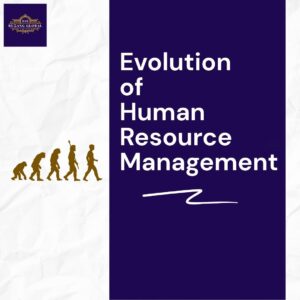
📖 The Evolution of HRM: From Past to Present
Hello HR Leaders 👋🏽, let’s take a quick trip through history to see how HR has transformed over the years. 🚀
🔹 Personnel Administration (1900s – 1960s)
Back then, HR was all about record-keeping, wages, and enforcing rules. Employees were treated more as labor units than valuable assets. Think paperwork, payroll, and discipline.
🔹 Human Relations Era (1970s – 1990s)
The focus shifted 🎯 — companies began to realize that people aren’t just workers; they’re human beings. Motivation, communication, and employee welfare became the buzzwords. HR started to care about job satisfaction.
🔹 Strategic HRM (2000s – Today)
This is where you come in 💼✨. HR now sits at the table with top management. It’s not just a support role anymore — it’s a business driver. Using data, analytics, digital tools, and global best practices, HR aligns people strategy with business strategy.
💡 Key Insight for Modern HR Managers:
Your role today is about leading with people, powered by strategy. You’re not just managing employees — you’re shaping the future of the business. 🌍🔥
CASE STUDY
A Day in the Life of a Nigerian HR Manager in Canada
6:00 AM – Morning Routine
Chika, a Nigerian HR Manager working in Toronto, starts her day early with prayer and light exercise. She makes a quick breakfast—boiled eggs and toast, not her usual yam from home. By 7:30 AM, she’s commuting, coffee in hand, listening to Afrobeats and Canadian radio.
8:00 AM – Starting Work
She arrives at the office, settles in, and checks emails. Overnight updates include recruitment inquiries and a policy change notification. She outlines her priorities for the day: interviews, a policy review, and a training session.
9:00 AM – HR Team Check-in
Chika leads a short meeting with her HR associates. They discuss hiring pipelines, upcoming onboarding, and employee engagement survey results. She encourages her team with a Nigerian proverb, “When the roots are deep, there is no reason to fear the wind,” which makes them smile.
10:00 AM – Recruitment & Interviews
Her first major task is recruitment. She interviews two candidates: one Canadian-born and one international applicant. She focuses on technical skills and cultural adaptability—always remembering her own journey as an immigrant professional.
12:00 PM – Lunch Break
She eats the jollof rice she packed from home. A curious colleague asks about it, and Chika proudly explains Nigerian cuisine. Lunch doubles as a networking moment, keeping her connected socially within the office.
1:00 PM – Policy & Compliance Review
Back at her desk, she updates HR policies to align with new Canadian labour regulations. She compares them to Nigeria’s Labour Act and notes how different, yet familiar, they feel with her background in structured organizations.
2:00 PM – Employee Relations
Chika is called in to mediate a dispute between two employees about workload. She applies Canadian HR protocols but adds patience and empathy shaped by her Nigerian upbringing. By the end of the session, the employees agree on a balanced workflow.
3:30 PM – Training & Development
She facilitates a workshop on “Cultural Competence in the Workplace.” Chika shares her own experiences of moving from Nigeria to Canada, which makes the training more relatable and engaging.
4:30 PM – Administrative & Reporting Duties
She updates the HR dashboard, finalizes interview notes, and prepares a staffing report for senior management.
5:30 PM – Wrapping Up
Chika responds to pending emails, organizes tomorrow’s tasks, and logs off around 6:00 PM.
Evening
At home, she calls her family in Port Harcourt, sharing how her day went. Dinner is a mix of Nigerian plantain with Canadian salad. Later, she spends an hour studying for her CHRP (Certified Human Resources Professional) exam before calling it a night at 10:30 PM.
🔹 2. Why HR is a Business Driver (Not Just Support)
💡 From Support to Strategy
Hey HR Leaders 👋🏽, quick reality check…
Traditionally, HR was seen as just a support department — handling paperwork, payroll, and policies in the background. 🗂️
But today? 🚀
Organizations now know that HR directly impacts the bottom line. Every decision — who you hire, how you train, how you engage and retain — shapes productivity, culture, and profits. 💼📈
So if you’re stepping into HR leadership, remember:
👉🏽 You’re not just supporting the business.
👉🏽 You ARE the business.
Modern HR = strategy + people + results. 🌍✨
📌 How HR Drives Business:
- Talent = The Real Competitive Advantage
Future HR Leaders 👋🏽, let’s cut through the noise.
Great companies don’t rise because of shiny offices, big budgets, or clever strategies. They rise because they have the best people — sharper, hungrier, and more capable than the competition. 💼⚡
Here’s the brutal truth:
👉🏽 If you keep hiring average or unmotivated talent, no strategy will save your business.
👉🏽 HR isn’t about forms and policies anymore. Your real job is making sure the right people are in the right roles at the right time.
Because at the end of the day, products can be copied, technology can be bought… but great talent can’t be stolen. That’s the one edge that keeps a company winning. 🚀
- Reduced Costs = Smart HR
HR Leaders 👋🏽, let’s face it…
Every time the wrong hire walks through your doors, the clock starts ticking — and the money starts burning. 🔥💸
Think about it:
- Job ads and recruitment fees 💵
- Interview hours wasted ⏳
- Onboarding and training costs 📚
- Lost productivity when they leave 🕳️
Now multiply that by high turnover. That’s millions slipping through your company’s fingers — not because of bad products, but because of bad people decisions.
👉🏽 This is why recruitment and retention aren’t “support tasks.” They’re profit protectors.
When you recruit right — bringing in people who fit both the role and the culture — and when you retain them by creating an environment where they want to stay, you don’t just save costs. You unlock hidden profits.
Here’s the brutal truth ⚡:
Retention isn’t “soft HR.” It’s one of the most powerful financial strategies a company can have. Every great HR Manager knows this.
So next time someone calls HR a cost center, remind them:
Effective HR is what keeps the business from bleeding cash. 💼📈
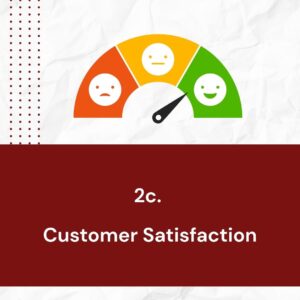
- 🌟 Customer Satisfaction Starts With HR
- HR Leaders 👋🏽, let’s tell it straight…
- Unhappy, disengaged employees don’t just quit on you — they quit on your customers too. 😒
And when that happens, service drops, complaints rise, and loyalty disappears. - Now flip the script 👉🏽
When employees feel valued, supported, and engaged, they naturally give better service. They smile more, they care more, they solve problems faster. Customers can feel that energy — and they reward it with loyalty. 💼❤️ - Here’s the chain reaction:
✅ Engaged employees → better service
✅ Better service → happier customers
✅ Happier customers → repeat business & stronger profits - That’s why smart HR Managers don’t just think about hiring and payroll. They think about employee engagement as the secret weapon for customer satisfaction.
- 💡 Truth is: Your customer experience is only as strong as your employee experience. If you want loyal customers, start by building loyal, motivated employees. 🚀
- Innovation: HR fosters environments where people feel safe to share ideas.
💡 Example: Google’s HR (called “People Operations”) pioneered data-driven HR practices that boosted employee engagement and innovation, fueling Google’s market leadership.
🔹 💡 Break & Activity (10 Minutes)
👉 Quick Poll: “Which area do you think HR impacts the most in business success — profit, employee happiness, customer satisfaction, or organizational culture? Drop your answer with one sentence explaining why.”
🔥 The Four Core Pillars of Advanced HRM
Listen up, future HR leaders — HR isn’t “forms and files” anymore. In today’s world, HR is strategy, influence, and power. The best companies know this: their HR doesn’t just “support,” it drives the business.
That’s where the Four Core Pillars of Advanced HRM come in. Think of them as the foundation that separates average HR officers from transformational HR Managers. 🚀
These pillars cover the full spectrum of what modern HR really means — from aligning people strategy with business goals, to shaping culture, driving performance, and creating workplaces where people want to give their best.
👉🏽 Master these pillars, and you’re not just an HR professional…
You’re the engine that keeps the organization competitive, profitable, and future-ready.
⚡ Ready? Let’s break down the four pillars that will redefine the way you see HR.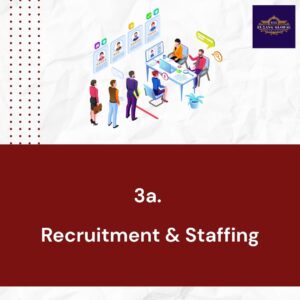
🌟 Pillar 1: Recruitment & Staffing
Future HR Managers, let’s set the record straight. Recruitment isn’t just about “hiring people.” It’s about finding the right person, for the right role, at the right time — and making sure they don’t just join, but thrive.
In fact, ask any CEO and they’ll tell you: “Getting the right people in is half the battle of business success.” Because people are not just “workers” — they are the drivers of growth, innovation, and profit.
⚡ The Evolution of Recruitment
Back then, recruitment meant newspaper ads, piles of CVs, and long interview processes. Slow, manual, and often hit-or-miss. Today? The game has completely changed. Modern recruitment uses AI, job-matching algorithms, and employer branding to make hiring smarter and faster.
- AI filters applicants in seconds, cutting down wasted time.
- Job-matching algorithms predict who is most likely to succeed in the role.
- Employer branding positions your company as a place people dream of working in, even before you reach out.
This shift isn’t just about technology — it’s about strategy. Recruitment has moved from being an admin function to becoming a core business driver.
🚨 The Cost of Getting It Wrong
Here’s the harsh truth: poor recruitment is expensive. Every wrong hire = wasted training costs, low productivity, disrupted teams, and high turnover. Research shows a bad hire can cost up to 30% of that employee’s first-year salary. Ouch. 😬
And it’s not just money — the wrong person can damage team morale, hurt customer service, and slow down projects. Recruitment mistakes don’t just live in HR files… they echo through the entire organization.
✅ The Power of Getting It Right
But when you get recruitment right, everything changes.
- You reduce costs by lowering turnover.
- You increase productivity by placing people in roles where they fit.
- You strengthen culture because you’re hiring people who share the company’s values.
In other words, great recruitment isn’t just filling seats — it’s building the human engine that powers the business.
🔑 Key Takeaway for You as an HR Manager:
Recruitment & Staffing is not about “hiring fast” or “filling roles.” It’s about strategically selecting the people who will shape the future of the organization. If you can master this, you’re not just an HR manager — you’re a growth architect.
💬 Question for you: If you were building your own dream company today, who would be the first 3 people you’d hire… and why?
Pillar 2: Learning & Development (L&D)
Future HR Leaders, let’s talk about something that separates great organizations from average ones: continuous learning.
Here’s the truth 👉🏽 in today’s fast-changing world, standing still = falling behind. Technology is evolving, industries are shifting, and customer expectations are higher than ever. The only way companies stay competitive is by ensuring their people are always growing, adapting, and learning.
That’s why Learning & Development (L&D) is not a “nice-to-have.” It’s a survival strategy. 🚀
⚡ Why It Matters
- Upskilling: Helping employees get better at what they already do. Example: a sales team learning advanced digital sales techniques.
- Reskilling: Teaching people completely new skills so they can move into new roles. Example: training a teller at a bank to handle mobile banking systems.
Both are equally important — because sometimes the world changes so fast that yesterday’s skillset becomes irrelevant tomorrow.
💡 Real-Life Example
Think about banks. Every year, new digital products and services are launched — online banking apps, fintech integrations, mobile payments. If staff don’t get trained, they can’t sell or support these services effectively. And if customers feel staff aren’t knowledgeable? They lose trust — and move to competitors.
So banks invest heavily in constant staff training. Not because it’s “HR policy,” but because it’s the only way to stay alive in a digital-first market.
🚨 What Happens Without L&D
Companies that don’t prioritize L&D slowly crumble:
- Employees get stuck with outdated skills.
- Innovation dries up.
- Morale drops because people feel stagnant.
- Competitors poach your best talent with the promise of growth opportunities.
Training isn’t just about making people “better at their jobs” — it’s about keeping the organization itself relevant in the market.
✅ What Happens With L&D
- Employees feel valued because you’re investing in their growth.
- Productivity skyrockets as people learn better, faster ways of working.
- Innovation increases — when people are encouraged to learn, they’re more likely to try new ideas.
- Retention improves because employees don’t just work for a salary, they stay for career development.
🔑 Key Takeaway for You as an HR Manager:
Learning & Development is not an event. It’s a culture. Your role is to build systems where growth never stops. If you get this right, you don’t just develop employees… you future-proof the entire organization.
💬 Reflection: If you had unlimited budget for training, what ONE skill would you prioritize for your team today — and why?
🏆 Pillar 3: Performance & Retention
Future HR Leaders, let’s be brutally honest: hiring great people is only half the battle. The real challenge? Keeping them performing at their best — and making sure they don’t leave.
Think of it this way 👉🏽 recruitment is like planting seeds, but performance & retention is like watering and nurturing those seeds until they bear fruit. 🌱➡️🌳
⚡ Why Performance Management Matters
Performance management is not just about annual appraisals or “end-of-year scoring.” In today’s world, it’s a continuous process built on:
- Goal setting: Clear KPIs & OKRs so employees know exactly what success looks like.
- Coaching: Leaders guiding, mentoring, and supporting employees, not just “managing” them.
- Feedback: Real-time, constructive conversations (not just yearly surprises).
When performance is managed well, employees stay motivated, focused, and aligned with the company’s bigger goals.
🚨 The Retention Reality
Here’s the hard truth: replacing a skilled employee can cost 50%–200% of their annual salary. 💸 Between recruitment, onboarding, lost productivity, and the cultural disruption — turnover is expensive.
That’s why retention strategies are not just “HR perks.” They’re a bottom-line saver.
✅ What Works for Retention
- Fair pay 💰 (yes, people talk, and underpaying is the fastest way to lose talent).
- Career growth opportunities 🚀 (if they don’t see a future with you, they’ll find it elsewhere).
- Recognition & appreciation 🙌🏽 (employees don’t just want a paycheck, they want to feel valued).
- Work-life balance & flexibility 🌍 (modern workers expect it, period).
💡 Example: Companies with strong recognition programs see up to 31% lower turnover rates. Why? Because people don’t leave jobs where they feel seen and appreciated.
⚖️ Performance + Retention = Stability
When you manage performance and retention well, you create stability. Teams become stronger, knowledge stays within the company, and employees give their best because they know the company is giving them its best too.
🔑 Key Takeaway for You as an HR Manager:
Performance & Retention is not about pushing people harder. It’s about aligning, supporting, and valuing them so they stay committed — not because they have to, but because they want to.
💬 Reflection: Think of the last great employee you saw leave a company — what was the real reason they left? Could it have been prevented?
Pillar 4: Compliance & Ethics
Future HR Leaders, let’s talk about something many overlook until it’s too late: compliance & ethics.
While recruitment, training, and retention often get the spotlight, the truth is 👉🏽 without compliance, an entire company can come crashing down — no matter how talented its workforce is.
🔍 What Compliance & Ethics Really Mean
- Compliance: Making sure the company follows labor laws, workplace safety rules, and government regulations.
- Ethics: Going beyond the law — ensuring fairness, integrity, and respect in how employees are treated.
It’s not glamorous work, but it’s critical. HR is the guardrail that keeps the company from running into legal, financial, and reputational disasters.
🚨 The Risk of Getting It Wrong
One missed compliance issue can cost millions. For example: failing to follow workplace safety standards could lead to accidents, lawsuits, fines, and massive brand damage. And here’s the kicker: employees will lose trust in a company that doesn’t keep them safe.
In today’s connected world, bad practices don’t stay hidden — one viral post about unsafe or unethical behavior can destroy years of hard work.
✅ The Power of Getting It Right
When HR champions compliance and ethics:
- Employees feel safe and respected.
- Leadership gains trust and credibility.
- The company avoids legal battles and costly fines.
- The organization builds a strong reputation that attracts both talent and customers.
💡 Example: Some of the most admired companies today are not just known for profits — they’re known for their ethical cultures, transparency, and commitment to doing business the right way. That’s the HR difference.
✨ Big Picture:
Together, the Four Core Pillars of Advanced HRM — Recruitment & Staffing, Learning & Development, Performance & Retention, and Compliance & Ethics — keep HR balanced, ethical, and growth-focused.
They’re not just “HR tasks.” They are the strategic framework that turns HR managers into business leaders. 🚀
💬 Reflection: If your organization was audited tomorrow for compliance, would you feel confident — or nervous?
- HR’s Role in Shaping Organizational Culture
Future HR Leaders, let’s talk about one of the most powerful — yet invisible — forces inside any company: culture.
Culture is often described as “the way we do things here.” It’s not written on the walls or in policy documents… it lives in the everyday actions, values, and behaviors of people. From how leaders treat employees, to how teams collaborate, to how success (or failure) is celebrated — culture shows up everywhere.
And here’s the truth 👉🏽 HR is the heartbeat of culture. Why? Because every decision HR makes — who gets hired, how people are trained, what behaviors are rewarded, and how conflicts are resolved — directly shapes the “feel” of the organization.
Think about it:
- A company that hires only for technical skills but ignores teamwork? ❌ Soon you’ll see silos and toxic competition.
- A company that trains and promotes based on collaboration, innovation, and respect? ✅ You’ll see loyalty, engagement, and shared success.
⚡ Why This Matters: Culture isn’t just “soft stuff.” It’s a business driver. A strong, positive culture increases retention, boosts productivity, attracts top talent, and even improves customer satisfaction. On the flip side, a toxic culture drives people away — no matter how high the salaries are.
🔑 Key Insight for You as an HR Manager:
Culture doesn’t happen by accident. It’s intentionally built — and HR is at the center of it. Every policy, every initiative, and every interaction is a chance to shape the kind of workplace people want to be part of.
💬 Reflection: If someone walked into your workplace today, what “unspoken culture” would they notice in the first 30 minutes?
📌 How HR Shapes Culture:
RECRUITMENT
Future HR Leaders, here’s a truth bomb 💥 — culture starts the moment you decide who gets in the door.
Recruitment isn’t just about filling roles with qualified people. It’s about hiring people who actually fit the company’s values and way of working.
Think about it 👉🏽 skills can be trained, but values and attitude? Much harder. If you hire someone who doesn’t believe in teamwork into a collaboration-driven company, sooner or later, you’ll feel the cracks. One person with the wrong attitude can spread negativity and disrupt the culture like a virus. 😬
⚡ Recruitment as a Culture Filter
- Ask yourself: Do candidates reflect the company’s values, not just on paper but in action?
- Does their behavior align with how your teams already operate?
- Do they bring the kind of energy that strengthens, not weakens, the culture?
Great companies know this secret: they don’t just hire for what you can do… they hire for who you are and how you’ll shape “the way we do things here.”
💡 Example: Many leading organizations use value-based interviews — not just checking for skills, but testing whether candidates show honesty, resilience, teamwork, or creativity, depending on what matters most to the business.
🚨 The risk of ignoring culture in recruitment?
You’ll have high turnover, team conflicts, and disengaged employees. Because even if someone is a superstar on paper, if they clash with the company’s values, they won’t last long.
✅ The power of hiring for culture?
You create a team that’s naturally aligned, motivated, and loyal. New hires don’t just adapt to culture — they reinforce it.
🔑 Key Insight for You as an HR Manager:
Recruitment isn’t only about filling a vacancy fast. It’s about building the culture brick by brick — one hire at a time.
💬 Reflection: If you had to define your company’s culture in 3 words, are you hiring people who live those words daily?
📜 How HR Shapes Culture: Policies
Future HR Leaders, let’s clear the air — policies aren’t just “documents in the HR drawer.” They are powerful tools that quietly shape the culture of an organization every single day.
Think about it 👉🏽 policies tell employees what’s acceptable, what’s rewarded, and what won’t be tolerated. In short, they set the tone for fairness, inclusion, and respect.
⚡ Policies as Culture Architects
- A fair promotion policy shows employees that growth is based on merit, not favoritism.
- A zero-tolerance harassment policy creates a safe space where people feel protected and respected.
- A flexible work policy signals trust and a modern outlook on work-life balance.
The truth? Every policy either strengthens culture or weakens it. If rules feel biased, inconsistent, or outdated, employees lose trust — and once trust is gone, culture collapses.
💡 Example: Companies that intentionally write inclusive policies (covering things like parental leave for both men and women, anti-discrimination guidelines, or flexible schedules) often see higher employee engagement and loyalty. Why? Because people feel seen, valued, and treated fairly.
🚨 The Risk of Poor Policies
- Employees feel unfairly treated.
- Toxic behavior spreads because there are no clear boundaries.
- Discrimination and bias go unchecked, leading to low morale and even lawsuits.
✅ The Power of Strong, Inclusive Policies
- Builds trust between employees and leadership.
- Creates a consistent and predictable workplace where people know what to expect.
- Reinforces the values the company claims to stand for.
🔑 Key Insight for You as an HR Manager:
Policies are not about control — they are about clarity, fairness, and culture. The best HR managers write policies that don’t just “manage people” but inspire them to give their best in a safe, inclusive environment.
💬 Reflection: If an outsider read your company’s HR policies today, would they say “this feels like a place I’d love to work”?
🏅 How HR Shapes Culture: Rewards
Future HR Leaders, let’s be honest — what you reward in a company becomes the culture.
Think about it 👉🏽 if an organization only rewards results, regardless of how they were achieved, you’ll end up with a cutthroat environment where people chase numbers and ignore teamwork. But if you reward collaboration, innovation, and integrity, those values spread like wildfire.
⚡ Rewards = Culture in Action
- A simple “thank you” in a team meeting shows people that their efforts matter.
- A formal recognition program highlights employees who live out company values.
- Celebrations — whether for teamwork, creativity, or leadership — reinforce what behaviors the company truly stands for.
💡 Example: Some companies have awards like “Culture Champion” or “Living Our Values” — spotlighting employees who go beyond their job descriptions to model the right behaviors. These people become role models, shaping how others act.
🚨 The Danger of Wrong Rewards
If rewards focus only on numbers or seniority, you risk creating a toxic culture where politics and shortcuts thrive. Employees quickly learn: “It’s not about how you work, it’s about who you know or how much you deliver — no matter the cost.” That erodes trust fast.
✅ The Power of Right Rewards
- Reinforces the values you want to see more of.
- Builds a sense of belonging because people feel their contributions are noticed.
- Boosts motivation and loyalty — because everyone wants to be where they feel appreciated.
- Creates role models who influence peers in positive ways.
🔑 Key Insight for You as an HR Manager:
Rewards are not just bonuses or paychecks. They’re cultural signals. Every recognition moment is a chance to say, “This is who we are. This is what we value.”
💬 Reflection: In your current (or future) organization, what behaviors are being rewarded most — and what does that say about the culture?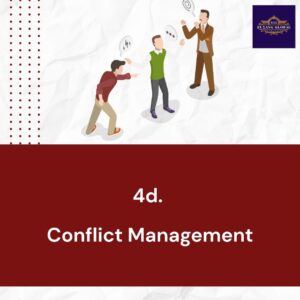
🤝 How HR Shapes Culture: Conflict Management
Future HR Leaders, here’s a hard truth: no matter how great a company’s culture is, conflict will always happen. Different people, different perspectives, different pressures — clashes are natural.
But here’s the key 👉🏽 how conflict is managed determines whether it destroys culture or strengthens it.
⚡ Conflict as a Culture Test
When HR steps in, it’s not just about “solving a problem.” It’s about showing employees that disputes will be handled fairly, respectfully, and consistently. That builds trust. And trust is the backbone of any healthy culture.
💡 What Fair Conflict Management Looks Like:
- Listening to all sides without bias.
- Investigating issues with transparency.
- Addressing root causes, not just surface-level symptoms.
- Reinforcing respect, even when people disagree.
🚨 The Risk of Poor Conflict Management
- If HR ignores issues or plays favorites, employees feel unsafe.
- Gossip, resentment, and division spread like wildfire.
- Productivity and morale drop, because people are too busy fighting battles instead of focusing on work.
✅ The Power of Doing It Right
- Employees see HR as a trusted partner, not a “policing unit.”
- Respect becomes the norm — even in disagreement.
- Teams bounce back stronger, with better understanding of each other.
- The overall culture grows healthier because fairness and respect are proved, not just preached.
💡 Example: Companies with clear conflict resolution policies and trained HR mediators often report higher engagement — because employees know they don’t have to suffer in silence.
🔑 Key Insight for You as an HR Manager:
Conflict management is not about “avoiding fights.” It’s about turning disputes into opportunities to reinforce trust, respect, and fairness — the true building blocks of culture.
💬 Reflection: Think of a time you saw a conflict at work — did the way it was handled build trust… or break it?
💡 Example: At Southwest Airlines, HR prioritizes hiring employees with a sense of humor and customer service mindset — this has shaped their fun and customer-friendly culture.
🔹 5. Global HR Trends You Must Know
Hey Future HR Leaders 👋🏽, let’s zoom out for a minute.
We no longer live in a world where HR is only about hiring, firing, or keeping employee files in cabinets. 🚪📂 Those days are gone. Today, business is global, digital, and unpredictable. From Lagos to London, Dubai to Delhi — the challenges of managing people are interconnected.
💡 Think about it:
- A tech company in Nigeria might compete for the same talent as a startup in Canada.
- Remote work means your “team” could be spread across 5 different time zones.
- New laws, technologies, and social movements shape workplace expectations faster than ever.
That’s why modern HR professionals must be adaptive, innovative, and future-focused.
It’s no longer enough to know policies and payroll — you must understand global trends shaping the future of work.
In this section, we’ll explore the must-know global HR trends — the forces that will define the careers of tomorrow’s HR managers. 🌍🚀
✨ Stay tuned: The HR of the future won’t just manage people, it will drive business survival and success on a global scale.
- Diversity & Inclusion (D&I):
Here’s a WhatsApp-style breakdown of your first Global HR Trend 👇🏽
🌍 1. Diversity & Inclusion (D&I)
Let’s be real — gone are the days when companies could “tick a box” by hiring one or two people from underrepresented groups and call it diversity. ❌ That’s tokenism.
✅ Modern HR is about building a workplace where everyone has a fair chance to grow, succeed, and lead.
It’s not just about who you hire, but also:
- Who gets promoted 🚀
- Who gets their voice heard 🎤
- Who feels safe and valued 🤝
💡 And here’s the kicker: diverse teams outperform non-diverse ones. Studies show they’re more innovative, creative, and yes — more profitable. 💵
So when HR champions real Diversity & Inclusion (D&I), it’s not charity or PR. It’s smart business. 🏆
✨ Bottom line: True inclusion = equal opportunity + respect + representation at all levels.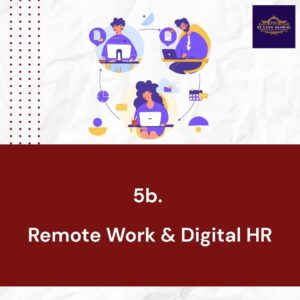
- Remote Work & Digital HR:
- COVID-19 accelerated virtual work.
- HR now manages remote performance, uses digital tools (Zoom, HRIS), and ensures team cohesion across locations.
- 3. Employee Wellbeing
Future HR Leaders, let’s get real — if employees aren’t well, the business isn’t well. 😬
Mental health, stress management, and work-life balance are no longer “nice-to-haves.” They’re boardroom priorities. CEOs now understand: burnt-out, stressed, or disengaged employees cost money, slow growth, and kill innovation.
💡 What modern HR does:
- Implements wellbeing programs to support mental and physical health 🧠💪
- Encourages work-life balance — flexible schedules, remote options, and time-off policies ⏰
- Makes wellbeing a strategic priority, not just a checkbox ✅
📌 Real-world examples:
- Microsoft runs extensive wellbeing programs focusing on mental health and flexibility.
- Unilever integrates wellbeing into its HR strategy, creating happier, more productive employees.
✨ Bottom line: Employee wellbeing = business performance. Happy, healthy employees are more engaged, more productive, and more loyal.
🔑 Takeaway for HR: Don’t just manage people. Care for them. It’s strategic, not sentimental.
- Agile & Flexible Workforce Models:
Future HR Leaders, the workplace is no longer one-size-fits-all. The rise of the gig economy, freelance contracts, and skill-based hiring is forcing companies to rethink traditional full-time roles. 🏃♀️💼
What does this mean for HR?
- You’re managing a mix of full-time, part-time, and contract talent.
- You need systems to track performance, engagement, and development across different work models.
- You’re designing roles based on skills and outcomes, not just job titles.
💡 Why it matters:
- Businesses can scale up or down quickly without bloating costs.
- Employees enjoy flexibility, which increases engagement and retention.
- Organizations stay competitive in a fast-changing global market.
🚨 The challenge: managing flexibility without losing culture, cohesion, or accountability.
✨ Bottom line: Modern HR is about creating adaptable structures that empower talent while keeping the organization efficient and aligned.
🔑 Takeaway: Traditional HR thinking won’t cut it anymore. You need to embrace agility, flexibility, and outcome-focused management to thrive.
💡 Note: The HR leader of the future must be digitally savvy, globally aware, and people-centric.
🔹 Case Study 1: Marriott Hotels – HR as a Driver of Global Success
📌 Background
Marriott International is one of the world’s largest hospitality companies, with over 8,800 properties in 139+ countries. The company employs more than 400,000 associates worldwide. In an industry where high staff turnover is common (average turnover in hotels can exceed 70% annually), Marriott has distinguished itself as an employer of choice with retention and employee engagement well above industry standards.
📌 The Challenge
Like many hospitality companies, Marriott faced several HR challenges:
- High Turnover Rates in the global hotel industry.
- Diverse Workforce spread across multiple regions, cultures, and legal systems.
- The need to provide consistent guest experiences despite cultural and regional differences.
- Increasing competition for talent as other global hotel brands expanded.
📌 Marriott’s HR Strategy & Interventions
1️⃣ Philosophy: “Take care of associates, and they will take care of customers.”
- HR policies and practices are built around a people-first philosophy.
- Leaders are trained to prioritize employee wellbeing as much as customer satisfaction.
2️⃣ Investment in Training & Development
- Marriott runs the Marriott Global Voyage Program, a leadership development pipeline for young professionals in hospitality.
- Employees receive ongoing training in service standards, leadership, and cross-cultural communication.
- On average, Marriott invests hundreds of hours annually in staff development at each property.
3️⃣ Recognition & Engagement Programs
- “Awards of Excellence” and local recognition initiatives celebrate outstanding staff contributions.
- Regular employee feedback surveys are conducted, and results are acted upon.
- Staff events, community service opportunities, and open communication channels foster loyalty.
4️⃣ Global Mobility & Career Growth
- Marriott encourages internal promotion; 60% of general managers started in entry-level roles.
- Associates can transfer between properties globally, opening career growth opportunities.
- Example: A Nigerian associate could rise to leadership in Dubai or London under Marriott’s global mobility system.
📌 The Results
- Employee Retention: Marriott’s voluntary turnover rate is significantly lower than the hospitality industry average.
- Employer Recognition: Consistently featured on Fortune’s “100 Best Companies to Work For” list.
- Customer Satisfaction: High employee engagement translated into superior guest service, reflected in higher customer loyalty scores and repeat business.
- Financial Growth: Despite global competition, Marriott continues to expand and remains one of the most profitable hotel groups worldwide.
✨ Key Lesson for HR Leaders
A people-first HR strategy — one that focuses on training, recognition, career growth, and employee wellbeing — does more than keep employees happy. It creates a loyal workforce, which in turn builds customer loyalty and drives profitability.
📌 For Nigerian and African organizations: Even in industries with high turnover, adopting strategic HR practices can reduce attrition, boost performance, and improve customer experience.
Perfect 🙌 — we can turn Day 1 case study into a “story/drama style” Nigerian scenario with real-sounding names and situations, so participants can relate deeply while still learning international HR concepts. This makes the lecture note engaging, memorable, and professional.
🔹 Case Study 2: Transcorp Hilton Abuja – HR Excellence in Nigerian Hospitality
📌 Scene 1: The Challenge
It’s Monday morning at Transcorp Hilton Abuja, and the hotel’s HR manager, Chinonso Okafor, is reviewing staff reports.
Chinonso notices:
- A spike in turnover among front desk staff.
- Complaints from international guests about inconsistent service.
- New recruits struggling to adapt to Hilton’s global service standards.
He knows that the hotel must retain top talent and maintain its reputation, or it risks losing both customers and revenue.
📌 Scene 2: HR Strategy in Action
1️⃣ Training & Development
Chinonso organizes a week-long induction and skills upgrade program. Staff, including Aisha Bello (Front Desk Supervisor) and Emeka Udo (Housekeeping Lead), attend workshops on:
- International service standards
- Guest relations
- Leadership skills
📌 Aisha shares: “I never realized the impact of small gestures — like greeting a guest by name — until we practiced it in the simulation. It changed how I interact every day.”
2️⃣ Employee Recognition & Motivation
The HR team introduces a monthly “Star Associate” award. Winners receive public recognition and a small bonus.
- Emeka wins the first award for resolving a guest complaint gracefully.
- His colleagues notice the recognition, and morale improves across departments.
3️⃣ Career Growth & Mobility
Chinonso also rolls out a career progression plan. Staff who perform consistently are encouraged to apply for international Hilton positions.
- Example: Sade Ojo, a receptionist, is now preparing for a short-term rotation in Hilton London — a huge motivator for the team.
4️⃣ Diversity & Inclusive Culture
The hotel employs staff from all over Nigeria. Chinonso ensures fair treatment by hosting weekly town halls where staff can voice concerns.
- Disputes between colleagues from different regions are resolved through mediation and team-building activities.
- Staff feel valued, respected, and part of a unified team.
📌 Scene 3: The Results
- Employee Retention: Turnover decreases by 35% within six months.
- Customer Satisfaction: Guest feedback scores rise significantly; VIP guests compliment the friendly, professional service.
- Employee Engagement: Staff feel heard, valued, and motivated.
- Brand Reputation: Transcorp Hilton Abuja wins “Nigeria’s Leading Hotel” award again.
✨ Lesson Learned
- People-First HR Works: When employees feel supported, they serve guests better.
- Training + Recognition = Engagement: Staff are motivated when they see a clear path for growth and their efforts recognized.
- Local + Global Standards: Combining Hilton’s international policies with Nigerian workforce realities creates a winning HR strategy.
💡 Reflection Question:
👉 “If you were Chinonso, what additional HR initiative would you introduce to improve employee morale and service quality at Transcorp Hilton?”
End of Day 1
📌 Takeaway Quote: “HR is not about managing workers, it’s about unleashing human potential to drive business growth.”
📌 End of Day 1 – Wrap-Up & Conclusion
Key Highlights from Day 1
- HR as a Strategic Driver:
- HR is no longer just administrative support; it shapes culture, drives engagement, and contributes directly to business success.
- Core Pillars of Advanced HRM:
- Recruitment, Development, Retention, Compliance — these pillars form the foundation for people-focused strategies.
- Global Trends in HR:
- Diversity & Inclusion, Remote Work, Digital HR, and Employee Wellbeing are now critical priorities for modern HR leaders.
- Case Studies & Practical Insights:
- Marriott Hotels: A global benchmark showing that investing in employees drives loyalty, customer satisfaction, and profitability.
- Transcorp Hilton Abuja (Drama-style Nigerian Case): Localized example highlighting training, recognition, career growth, and inclusion in action.
- Interactive Learning:
- Pre-discussion and reflection questions encouraged participants to connect theory to their own work environments, enhancing retention and engagement.
Conclusion
Today’s session emphasized that Human Resource Management is a strategic, people-centered function critical to organizational growth.
- Effective HR aligns people, processes, and business strategy.
- Both global benchmarks and local Nigerian practices show that investing in people is the key to sustainable success.
- As you move to Day 2, think about how strategic workforce planning and recruitment practices can shape the talent pipeline and future leadership of any organization.
✨ Remember: “HR is not about managing employees; it’s about unlocking human potential to drive business success.”
🔹 Closing Reflection & Discussion Question
👉 “In your current workplace (or one you admire), how does HR go beyond payroll and hiring to impact business growth and employee experience?”
Participants are expected to:
- Share real-life examples.
- Compare traditional HR with modern, strategic HR.
Think critically about how HR should evolve in Nigeria and globally
💡 What is Workforce Planning?
Think of workforce planning as the Google Maps for your organization’s talent. 🗺️ It’s not just about hiring people when roles open up — it’s about predicting, preparing, and positioning talent for the future. 🚀
So, what does it really involve?
⚡ Forecasting – anticipating future talent needs based on business goals 📊
⚡ Skills Mapping – identifying what skills exist today vs. what will be needed tomorrow 🧩
⚡ Succession Planning – grooming future leaders before gaps appear 👑
⚡ Proactive Talent Management – not waiting for crises, but building pipelines of ready-to-go talent 💼
✨ Bottom line: Workforce Planning = Right people, right roles, right time.
When HR gets this right, businesses grow faster, stay resilient, and avoid the chaos of last-minute hiring.
🔑 Takeaway for HR Managers: Stop thinking short-term recruitment. Start thinking long-term talent strategy. The organizations winning today are the ones who planned their workforce yesterday.
💬 Reflection: Does your current HR strategy tell you where your next critical hire is coming from — or are you still reacting when it’s too late?

BrightFuture Academy was one of the fastest-growing private schools in Abuja. Enrollment numbers were climbing every term, and the Director announced plans to open a new campus in 2 years. 🚀
But here’s what went wrong: there was no workforce planning.
⚡ At the start of a new term, they suddenly lacked enough qualified teachers for core subjects like Math and English. Classes got overcrowded.
⚡ Expansion plans stalled because there weren’t trained heads of departments ready to lead.
⚡ Some of their best teachers left for other schools because they saw no structured career growth.
The result?
Parents started withdrawing their kids, reputation dipped, and the “growth dream” quickly became a nightmare. 😬
Now imagine the flip side 👉🏽 with proper workforce planning, BrightFuture Academy could’ve:
✔ Forecasted the number of teachers needed for future intakes.
✔ Trained potential leaders early to take on new roles.
✔ Created clear career progression paths to retain passionate educators.
✨ Lesson: In schools, workforce planning isn’t admin — it’s the difference between building a legacy of excellence or losing students to the competition.
🔥 Why Workforce Planning Matters
Future HR Leaders, here’s the truth: businesses don’t fail because they lack people — they fail because they lack the right people at the right time. That’s where workforce planning becomes a game-changer. 🚀
Here’s why it matters ⤵️
⚡ Prevents Staff Shortages
No more scrambling during peak seasons or sudden expansions. With workforce planning, you’ve already mapped out who you’ll need and when. 📅
⚡ Reduces Costly Turnover
Instead of losing good people and rushing into expensive replacements, you address gaps proactively. That means stability + savings. 💰
⚡ Aligns with Business Strategy
Your people strategy should fuel your business strategy. Workforce planning ensures the skills in-house actually match the company’s goals. 🎯
⚡ Boosts Employee Engagement
When employees see a clear career path and future opportunities, they stay motivated and loyal. 🧑🏽🤝🧑🏻
✨ Bottom line: Workforce planning isn’t “HR admin” — it’s business survival and growth insurance.
💬 Reflection for HR Managers: If your CEO asked today, “Do we have the talent ready for our next 3-year plan?” — would you have a confident answer?
📌 Steps in Workforce Planning
Ok, here’s the deal: Workforce Planning sounds fancy, but at its core, it’s just a structured way of making sure your people strategy matches your business strategy. 🎯
Think of it like building a strong bridge. 🌉 You can’t just throw bricks together and hope it holds. You need a plan, a design, and the right materials. Same with talent — you need the right steps to ensure the right people are in place at the right time.
These steps help you:
✅ Spot future talent needs before they become emergencies.
✅ Build a pipeline of skills that matches your growth strategy.
✅ Avoid expensive mistakes from last-minute hiring.
✨ Bottom line: A business without workforce planning is like a car without GPS — you’ll keep moving, but don’t be surprised if you end up lost. 🚗💨

Organization: Sapphire Crown Hotel & Lounge, Lagos
Business Goal (Strategy):
Increase weekend revenue by 30% in 6 months by expanding events, boosting customer experience, and extending service hours.
The Challenge
Sapphire Crown had a strong brand but struggled during peak periods:
❌ Long wait times during events
❌ Burnt-out staff on weekends
❌ Poor guest reviews linked to slow service
❌ High staff turnover after peak seasons
Management wanted growth — but the workforce wasn’t built for it.
HR Manager’s Intervention
HR Manager: Mrs. Amina Bello
Instead of rushing into mass hiring, Amina applied a structured workforce planning approach to align people strategy with the hotel’s business goals.
Step 1: Translate Business Goals into People Needs
Amina broke the business strategy into workforce questions:
✔ What skills are needed for premium guest experience?
✔ When will demand peak (weekends, holidays, events)?
✔ Which roles directly impact revenue and reviews?
Key Roles Identified:
Event-trained wait staff
Front desk officers with upselling skills
Bar staff trained for high-volume service
Step 2: Gap Analysis
She reviewed current staff capacity and found:
❌ Enough staff on weekdays
❌ Severe shortages on weekends
❌ No backup staff for events
❌ Limited customer service training
Step 3: People Strategy Design
Amina aligned HR actions with business growth:
🎯 Targeted Hiring:
Part-time weekend staff for peak periods
Event-specific contract staff
🎯 Training & Development:
Short customer experience workshops
Upselling training for front desk & bar staff
🎯 Scheduling Strategy:
Flexible rosters aligned with occupancy forecasts
Rotational shifts to prevent burnout
Step 4: Performance & Culture Alignment
She ensured staff behavior matched the brand promise:
✔ Introduced service KPIs tied to guest reviews
✔ Recognized teams that handled peak periods smoothly
✔ Rewarded teamwork, not just speed
Results (After 6 Months)
✅ 32% increase in weekend revenue
✅ Faster service during peak periods
✅ Improved online reviews
✅ Reduced staff turnover
✅ Staff morale improved despite higher workload
Key Learning for HR Managers
People strategy is not separate from business strategy.
When HR understands where the business is going, it can build the workforce to support it — before problems arise.
The moment HR starts planning with the business, not after it, growth becomes sustainable.
🔎 Step 1: Assess Current Workforce
Now listen, you can’t plan for the future if you don’t know where you stand today. That’s why the first step in workforce planning is assessing your current talent pool. 🧑🤝🧑
What does this mean?
✅ Identify employee skills (both hard & soft).
✅ Evaluate performance levels — who’s excelling, who’s struggling.
✅ Spot potential gaps that could hurt future growth.
💡 Example: Imagine a hotel aiming to attract more international guests. During assessment, HR realizes front desk staff lack multi-lingual skills. Without addressing this, guest satisfaction will drop — and so will revenue.
📊 Research Methods HR Can Use:
- Skills Inventory – build a database of employee qualifications, certifications, and specializations.
- Performance Reviews – not just annual appraisals, but continuous 360° feedback.
- Employee Surveys – ask staff about confidence in their roles, training needs, and career aspirations.
- HR Analytics Tools – use software to analyze turnover patterns, absenteeism, and productivity.
- Competency Mapping – compare current skills vs. skills required for strategic goals.
✨ Bottom line: Think of this step as your X-ray of the workforce. Without it, you’re just guessing. With it, you see exactly where your team is strong — and where you need to strengthen.
💬 Reflection for HR Managers: If someone asked you today, “What skills do we currently have in-house — and which ones are missing?” could you give a data-backed answer?
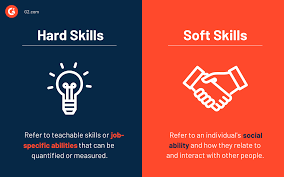
🔧 Hard Skills (Technical / Job-Specific Skills)
These are measurable, teachable abilities. You can usually prove them with certificates, tests, or experience.
Examples:
✔ Accounting & bookkeeping
✔ Data analysis (Excel, Power BI)
✔ Software development / coding
✔ Graphic design
✔ Payroll processing
✔ Digital marketing & Facebook Ads
✔ Website design (WordPress, HTML)
✔ HRIS management
✔ Legal drafting
✔ Project management tools (Asana, Trello)
✔ Machine operation
✔ Cooking techniques (for hospitality)
➤ Hard skills answer the question: “Can this person do the job?”
🧠 Soft Skills (People / Behavioral Skills)
These are how a person works, not just what they do. They are harder to measure but often determine long-term success.
Examples:
✔ Communication
✔ Teamwork & collaboration
✔ Problem-solving
✔ Time management
✔ Adaptability
✔ Emotional intelligence
✔ Leadership
✔ Conflict resolution
✔ Work ethic
✔ Customer service mindset
✔ Stress management
✔ Accountability
➤ Soft skills answer the question: “How well will this person work with others and handle pressure?”
⚖️ Why Both Matter (HR Perspective)
✔ Hard skills get people hired
✔ Soft skills get people promoted — or fired
> A highly skilled employee with poor attitude can damage culture.
> An average-skilled employee with strong soft skills can be trained and grow fast.
💡 HR Reality Check
✔ “Hire for attitude. Train for skill.”
✔ This is why modern HR evaluates both during recruitment, performance reviews, and workforce planning.
Step 2: Forecast Future Needs
Future HR Leaders, once you know what you have today, the next step is asking: “What will we need tomorrow?” ⏳
This is where workforce planning becomes truly strategic. You’re not just filling today’s vacancies — you’re predicting the skills, roles, and headcount your business will need to survive and grow. 🚀
⚡ What this looks like in practice:
✅ Business Expansion: If your company is opening 3 new branches, you’ll need managers, frontline staff, and support teams ready.
✅ Technology Shifts: If automation or AI is entering your industry, some jobs will shrink, others will emerge (think data analysts, digital specialists).
✅ Market Trends: A retail chain may forecast higher demand during festive seasons, requiring temporary but skilled staff.
📊 Research & Forecasting Tools HR Can Use:
- Trend Analysis – study historical workforce data (turnover, hiring patterns) to project future demand.
- Scenario Planning – build “what if” models: What if sales double? What if we expand into 2 new regions?
- Industry Benchmarks – compare with competitors or market standards to gauge required staffing ratios.
- Business Strategy Alignment – sit with leadership to understand growth goals (new markets, new products, mergers).
- Predictive Analytics (HR Tech) – use AI-driven HRIS systems to forecast attrition, retirement, and hiring needs.
✨ Bottom line: Forecasting is your HR crystal ball. It helps you see talent shortages before they happen — so you can act, not react.
💬 Reflection for HR Managers: If your CEO asked, “Do we have the talent needed for our 5-year growth plan?” — would you have a confident, data-backed answer or just a guess?
Company: GreenLeaf Retail Stores – Nigeria’s mid-sized grocery chain with 15 locations
HR Manager: Tsesugh
The Challenge
GreenLeaf had been expanding aggressively:
Two new stores were opening in Lagos and Abuja within 6 months.
Sales during festive seasons were increasing faster than expected.
Managers reported staff shortages, burnout, and service delays.
The board warned that poor staffing could crash operations and damage brand reputation.
Tsesugh’s Intervention: Using Research & Forecasting Tools
- Trend Analysis
✔ Tsesugh reviewed historical HR data:
Turnover rates over the past 3 years
Seasonal hiring spikes
Overtime costs and absenteeism
He discovered recurring staff shortages every December and April, predicting potential operational gaps.
- Scenario Planning
✔ He built “what if” models:
Scenario 1: Sales double during the festive season
Scenario 2: Opening 2 new stores in new regions
Scenario 3: Unexpected staff departures or sick leaves
This allowed her to calculate exact staffing needs and the type of skills required.
- Industry Benchmarks
✔ Tsesugh compared GreenLeaf with competitors:
Found that similar chains had 25% more staff per store during peak periods
Recommended adjusting staffing ratios and creating backup rosters to meet industry standards
- Business Strategy Alignment
✔ He met with the CEO and leadership to understand growth goals:
Expansion into new regions
Launch of in-store services and delivery
Integration of loyalty programs
Tsesugh ensured the workforce plan directly supported these business objectives.
The HR Plan
Targeted Hiring: Pre-emptive recruitment for peak seasons and new stores
Cross-Training: Employees trained to handle multiple roles in-store
Flexible Rosters: Weekend and holiday coverage planned in advance
Talent Pipeline: Identified high-potential staff for quick promotion or redeployment
Results
✅ All stores opened on schedule with fully trained staff
✅ Peak-season operations ran smoothly, no burnout reported
✅ Customer complaints dropped by 40%
✅ GreenLeaf saved an estimated ₦25M in emergency hiring and overtime costs
✅ Staff engagement improved because employees felt prepared and supported
Key Takeaways for HR Managers
- Proactive HR saves businesses from crises.
- Trend analysis and scenario planning aren’t optional—they’re survival tools.
- Aligning workforce plans with business strategy ensures every hire drives growth.
- Industry benchmarks prevent your staffing from falling behind competitors.
>
“The right workforce plan today is the difference between operational success and brand disaster tomorrow.”
🎯 Step 3: Align Workforce with Organizational Strategy
Here’s the hard truth: it doesn’t matter if you have great talent if it doesn’t align with the business direction. HR’s role isn’t just to fill roles — it’s to make sure people strategy and business strategy walk hand in hand. 🤝
⚡ What this means: If the business wants to scale, HR ensures there’s leadership bench strength.
– If the company is entering new markets, HR preps talent with the right cultural and technical skills.
– If the organization is focusing on innovation, HR prioritizes hiring creative thinkers and upskilling existing staff.
💡 Example: A resort plans to open a new luxury wing. For a seamless launch, HR must already have trained housekeeping staff, culinary experts, and front office professionals ready — not scrambling at the last minute. 📊
How HR Can Align with Strategy:
- Workforce-Talent Mapping – compare current skills vs. skills needed for new goals.
- Strategic Workforce Meetings – HR leaders must sit at the table when business goals are being set.
- Succession Planning – align leadership pipelines with future organizational needs.
- Cross-Training Programs – prepare employees for multi-role flexibility during expansions or pivots.
- HR Analytics Dashboards – track whether workforce capacity is meeting strategic milestones.
✨ Bottom line: HR isn’t just support. When done right, HR becomes the engine that powers business strategy. 🚀
💬 Reflection for HR Managers: When your company sets a new business goal, is HR reacting afterward — or already preparing talent strategies in advance?
A Nigerian bakery, SweetCrust Delights, is doing so well in Port Harcourt that the owner decides to open a second branch in Abuja within 6 months. 🎂✨
At first, the owner thinks, “We’ll just hire more hands when the new shop is ready.” But the HR Manager speaks up:
✅ Workforce-Talent Mapping: She reviews current staff and notices there are no supervisors trained to run a branch independently.
✅ Strategic Workforce Meeting: She sits with the owner to understand the exact expansion plan and timelines.
✅ Succession Planning: Two reliable bakers are enrolled in a leadership training program so they can manage production in Abuja.
✅ Cross-Training Programs: Frontline staff are cross-trained in both sales and baking, so they can step in wherever needed during the new launch.
✅ HR Analytics Dashboard (simple version): The HR Manager tracks training completion and readiness month by month.
🚀 Result: When SweetCrust opens in Abuja, they don’t scramble to find leaders or skilled bakers at the last minute. The HR Manager’s alignment ensured the new branch was staffed, trained, and ready from day one.
✨ Bottom line: Even in small businesses, HR isn’t just about hiring — it’s about preparing talent to match growth plans.
🚀 Step 4: Implement Talent Development Plans
Future HR Leaders, identifying gaps is useless if you don’t act on them. This step is where strategy meets execution: developing your people so they’re ready for tomorrow’s roles. 🌱
⚡ What it means in practice:
✅ Equip employees with training and upskilling programs to prepare them for future responsibilities.
✅ Build reskilling paths so staff can transition into new roles when old ones become outdated.
✅ Design succession plans to ensure smooth leadership continuity — no panic when a key manager exits.
💡 Example: A bank sees that digital banking is the future. Instead of waiting until competitors overtake, HR proactively trains frontline staff on fintech tools, cybersecurity basics, and digital customer service.
📊 How HR Can Drive Talent Development:
- L&D Programs – ongoing training, not just one-off workshops.
- Mentorship & Coaching – pairing junior staff with senior leaders for guided growth.
- E-Learning Platforms – flexible, self-paced digital training modules.
- Career Pathing – showing employees clear progression routes to keep them motivated.
- Succession Planning Tools – identify future leaders early and nurture them.
✨ Bottom line: Talent development isn’t a “cost.” It’s an investment in future-proofing your workforce. The organizations that grow are the ones that grow their people. 🌟
💬 Reflection for HR Managers: If your top 3 leaders resigned tomorrow, would you have people ready to step in — or would you be scrambling?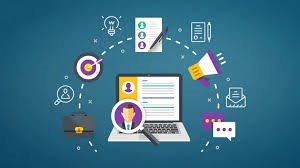
HR TOOLS TO EXPLORE
https://www.imocha.io/
Skills inventory, AI-powered assessments, benchmarking skills vs industry, mapping current staff capabilities to future skill needs.
https://www.talentguard.com/
Competency mapping: you can build competency frameworks (traits, skills, experience), map them to job profiles, and see where gaps are.
https://www.oracle.com/africa/human-capital-management/
Full suite HR + talent management. It has capabilities like skills cataloguing, predicting gaps, aligning with business strategy.
https://www.sap.com/africa/products/hcm.html
HRMS with workforce planning features. Great if you want a platform that does recruitment, learning, performance & talent mapping together.
https://zensai.com/perform365/
Succession planning + 360 feedback + mapping who could fill what roles, especially in small-to-medium businesses.
Skills frameworks + real-time insights; good for companies that want internal mobility, matching people to projects, and seeing skill gaps clearly.
Sample Cross-Training Program: “SkillSwap”
Objective:
Enable employees to perform multiple roles, increase flexibility, reduce downtime during absences, and build a stronger, more resilient workforce.
Duration: 8 Weeks
Step 1: Identify Key Roles & Skills
✔ List all critical positions in the department or company
✔ Identify overlapping skills or roles that can benefit from cross-training
✔ Determine priority roles (high-impact or frequently understaffed)
Example (Hospitality):
Front desk ↔ Concierge
Wait staff ↔ Bar staff
Kitchen prep ↔ Inventory management
Step 2: Select Participants
✔ Choose employees willing to learn new skills
✔ Ensure a mix of experience levels (junior + senior)
✔ Get managers’ buy-in for time and workload adjustments
Step 3: Design Training Modules
✔ Hands-on training for each role (shadowing, demos)
✔ eLearning or video tutorials for technical or procedural tasks
✔ Role-playing for customer service or problem-solving scenarios
✔ Short quizzes or checklists to track learning progress
Example (Retail):
Cashier ↔ Inventory clerk
Stocking ↔ Customer service
POS operation ↔ Merchandising
Step 4: Pair Employees
✔ Assign a mentor/experienced colleague for each cross-training role
✔ Encourage knowledge sharing and open feedback
Step 5: Rotate Roles
✔ Schedule employees to perform their new roles for 1–2 shifts per week
✔ Monitor performance and provide coaching
✔ Collect feedback from participants about challenges and improvements
Step 6: Evaluate & Certify
✔ Assess employees’ proficiency in cross-trained roles
✔ Recognize employees who successfully master additional skills (certificates, rewards, shout-outs)
✔ Adjust the program based on lessons learned
Step 7: Maintain & Update
✔ Regularly update training as processes, technology, or products change
✔ Include cross-training as part of onboarding for new hires
✔ Rotate employees periodically to ensure coverage and prevent burnout
Benefits
✅ Increased workforce flexibility during absences or peak periods
✅ Reduced bottlenecks and downtime
✅ Higher employee engagement and skill development
✅ Stronger teamwork and understanding across departments
- Modern Recruitment Strategies
Future HR Leaders, let’s be honest — recruitment has outgrown the old “post a vacancy and wait” approach. ❌
Today, it’s all about being strategic — not just filling roles, but attracting, selecting, and retaining the best talent out there. 🌍✨
⚡ What Modern Recruitment Looks Like:
Employer Branding – Candidates choose companies the same way customers choose brands. If your workplace culture doesn’t shine online, top talent won’t even apply. 💻
AI & Digital Tools – Smart algorithms now match candidates faster and more accurately than traditional methods. 🤖
Targeted Outreach – Recruitment is marketing. You’re not just hiring; you’re selling your company’s vision, culture, and growth opportunities. 📢
Candidate Experience – Every step, from application to interview, must feel smooth, respectful, and engaging. (Because remember: even rejected candidates talk about your process!) 🗣️
✨ Bottom line: Modern recruitment = a strategy, not a transaction. It’s about building long-term relationships with talent, not just filling today’s vacancy.
💬 Reflection for HR Managers: Look at your last recruitment campaign — did it attract the right people, or just fill a seat?
🌟 2.1 Employer Branding
Future HR Leaders, here’s a secret: before candidates apply to your company, they’ve already “Googled” you. 🔍 And what they find — or don’t find — can decide whether top talent hits apply ✅ or skip ❌.
That’s what Employer Branding is all about: your reputation as an employer. It’s the image people have of working with you, even before they walk through the door.
⚡ Why it matters:
Today’s best candidates aren’t just looking for a job — they’re looking for a place that matches their values and growth aspirations.
A strong employer brand attracts the right people faster, reduces recruitment costs, and boosts retention.
💡 What to highlight in your employer brand:
- Mission & Values – What does your organization stand for beyond profit?
🌍 2. Career Opportunities – Show clear paths for growth and development.
🚀 3. Culture in Action – Use videos, photos, and posts to showcase team spirit and day-to-day life.
📸 4. Employee Testimonials – Real voices > HR slogans. Let staff share authentic experiences. 🗣️
- Recognition & Achievements – Awards, milestones, and success stories build pride and credibility. 🏆
📌 Example in Action:
Marriott Hotels doesn’t just talk about being a great workplace — they show it. On LinkedIn, they share employee stories, spotlight recognition programs, and celebrate career growth journeys. The result? They attract talent globally and reinforce their image as a people-first organization. 🌍✨
📊 Research-Backed Insight: Studies show that 75% of job seekers consider an employer’s reputation before even applying. Strong employer branding can reduce cost-per-hire by up to 50%. 📉
✨ Bottom line: Employer branding isn’t an HR trend — it’s a business strategy. The stronger your brand, the easier it becomes to attract, retain, and inspire top talent.
💬 Reflection for HR Managers: If a candidate searched your company on LinkedIn today, would your culture and values shine through — or would they find silence?
Company: SunFresh Foods – a mid-sized food processing and distribution company in Nigeria
HR Manager: Recently hired, inexperienced in modern recruitment
The Situation
SunFresh Foods was expanding its operations to supply multiple new supermarkets across Lagos and Abuja. They needed skilled production line staff, quality control experts, and logistics coordinators.
Instead of using modern recruitment strategies, HR relied on:
❌ Posting a single job ad in the local newspaper
❌ Reviewing a pile of resumes manually
❌ Conducting unstructured interviews with no scoring system
They ignored employer branding, had no digital presence, and didn’t market the company as a desirable place to work.
The Outcome
✔ Only low-quality applicants applied; skilled professionals ignored the postings.
✔ Positions stayed vacant for weeks, delaying production and shipments.
✔ Temporary hires were brought in haphazardly, leading to errors in packaging, missed deadlines, and customer complaints.
✔ Employee morale dropped because new hires were unqualified and supervisors were overworked.
✔ Competitors, with modern recruitment and talent attraction methods, snatched the best talent, leaving SunFresh understaffed.
Financial Impact:
✔ Missed contracts with major supermarkets
✔ Estimated revenue loss: ₦35 million in 3 months
✔ Increased turnover due to frustrated employees leaving
Key Takeaways
✔ Employer branding matters: If your company doesn’t look attractive online, top talent won’t apply.
✔ AI & digital tools save time and improve candidate quality: Manual resume review can miss the best fit.
✔ Recruitment is marketing: You must sell your vision, culture, and opportunities.
✔ Candidate experience affects retention: A clunky, disorganized process can drive applicants away.
🌐 2.2 Digital Platforms & Social Sourcing
The hiring battlefield has shifted, . 💼✨ Today, it’s not enough to wait for CVs to land in your inbox — the best talent is online, and you’ve got to go where they are.
That’s where digital platforms and social sourcing come in. 🚀 🔎 Where the action happens:
– LinkedIn – Professional goldmine 🌟 (networking, job ads, employer branding, headhunting).
– Indeed – Mass reach, strong for entry to mid-level roles.
– Glassdoor – Where candidates check your culture & reviews before applying 👀.
– Niche Platforms – Industry-specific (e.g., HCareers for hospitality, GitHub for tech). 💡
How recruiters are leveling up with tech:
- AI-Powered Screening – Tools that scan resumes and shortlist candidates in seconds. 🤖
- Boolean Search – Smart keyword strings to filter the right candidates faster.
🔍 3. Social Media Scouting – Spotting passive candidates on Twitter, Instagram, even TikTok. 📱
📌 Example in Action: A single well-crafted LinkedIn post highlighting your company culture, growth opportunities, and employee testimonials can attract top talent — not just locally, but from across regions or even internationally. 🌍 📊
Why it matters:
79% of job seekers use social media in their job search. Companies using social sourcing report a 49% improvement in candidate quality. ✨
Bottom line: Digital platforms aren’t just job boards anymore — they’re talent magnets. The more strategic your presence, the better your chances of pulling in high-quality, motivated hires.
💬 Reflection for HR Managers: If your company’s digital presence went silent tomorrow, would talent even notice you’re hiring?
ZenithConnect Telecoms was ready to hire a new Operations Manager to oversee network expansion across multiple regions. A candidate applied through a traditional job board, had an impressive CV, and performed well in the initial interview. The CEO was ready to offer the position.
However, Biola decided to do a social sourcing check before finalizing the hire:
✔ She searched the candidate on LinkedIn, checking endorsements, recommendations, and professional connections.
✔ She explored Twitter and other platforms for public posts related to industry insights and work behavior.
✔ She reviewed Glassdoor comments and discussions where the candidate had been mentioned.
What she discovered:
❌ The candidate had a history of publicly criticizing former employers online.
❌ Several posts indicated unprofessional conduct and poor teamwork.
❌ Recommendations on LinkedIn conflicted with CV claims, showing exaggeration of responsibilities.
Action Taken:
Instead of rushing into hiring, Biola presented her findings to the CEO. The company paused the hire and continued sourcing candidates.
Outcome:
✔ They hired another candidate found through LinkedIn outreach, who had verifiable endorsements and a strong professional reputation.
✔ The new hire seamlessly integrated into the team, driving efficiency and reducing conflicts.
✔ ZenithConnect avoided potential employee misconduct, operational disruption, and reputational risk.
Key Takeaways for HR Managers:
✔ Social sourcing provides insights beyond the CV — professional reputation, behavior, and cultural fit.
✔ Digital platforms can prevent costly hiring mistakes before contracts are signed.
✔ Proactive scouting strengthens hiring quality and ensures alignment with company goals.
“The best hire isn’t the one on paper — it’s the one verified online, vetted by reputation, and aligned with your values.”
🌍 2.3 Inclusive Recruitment
Recruitment today isn’t just about filling roles — it’s about building fair, diverse, and future-ready workplaces. 💼✨ Top talent wants to join organizations that walk the talk on Diversity, Equity & Inclusion (DEI).
✅ What Inclusive Recruitment Really Means:
– Gender Balance ⚖️ – Equal opportunities for men, women.
– Cultural Diversity 🌐 – Teams with mixed cultural perspectives bring fresh ideas & innovation.
– Disability Inclusion ♿ – Creating accessible hiring processes & work environments for all. 🔧
Key Tools & Practices:
- Blind CV Screening – Removing names, gender, or background details so hiring managers focus only on skills.
👀 2. Structured Interviews – Every candidate is asked the same set of questions, making hiring decisions fairer.
🎤 3. Bias Awareness Workshops – Training recruiters & managers to recognize and reduce unconscious bias.
🧠 📌 Example in Action: A hospitality group introduced structured interviews across all branches. The result? Hiring managers relied less on “gut feeling” and more on clear scoring. This not only reduced unconscious bias but also increased the diversity of new hires.
🌟 📊 Why it Matters:
McKinsey research: Companies with diverse executive teams are 36% more likely to outperform financially.
Inclusive hiring = stronger employer brand + higher employee engagement + broader talent pool.
✨ Bottom Line: Inclusive recruitment isn’t a trend — it’s a business advantage. The more inclusive your hiring, the more innovative, loyal, and competitive your workforce becomes.
💬 Reflection for HR Managers: Is your hiring process designed to find the best or just the most
📝 How to Draft a Recruitment Advertisement
Future HR Leaders, let’s be honest — a bad job ad can sink your recruitment before it even starts. 😬 Think of it like the first impression: if it doesn’t grab attention, the best candidates won’t even apply.
⚡ Step 1: Start with a Clear Job Title
- Keep it precise and professional. Avoid fancy jargon that confuses candidates.
- Example: “Digital Marketing Specialist” > “Social Media Guru & Growth Ninja”
⚡ Step 2: Write an Engaging Job Summary
- Summarize the role in 2–3 sentences.
- Focus on why the role matters to the company and what impact the candidate will have.
- Keep it active and positive.
⚡ Step 3: Outline Key Responsibilities
- Use bullet points for clarity.
- Be honest about the tasks — don’t oversell or undersell the role.
- Highlight opportunities for growth or innovation.
⚡ Step 4: List Required Skills & Qualifications
- Distinguish between “must-have” vs. “nice-to-have.”
- Include both technical skills (e.g., Excel, coding) and soft skills (e.g., teamwork, communication).
⚡ Step 5: Promote Company Culture & Perks
- Sell your organization’s culture — this is where D&I, flexibility, or innovation shine.
- Include benefits, learning opportunities, and any unique aspects that make your company a great place to work.
⚡ Step 6: Clear Application Instructions
- Specify how to apply, what documents to send, and deadlines.
- Make it simple — the harder it is to apply, the fewer quality applicants you’ll get.
💡 Pro Tip: The best recruitment ads don’t just describe a role — they excite, inspire, and attract the right people.
🔑 Key Takeaway for You as an HR Manager:
A recruitment ad is your first touchpoint with talent. Get it right, and you’ll attract quality candidates. Get it wrong, and you’ll waste time and money chasing the wrong people.
💬 Reflection: Look at the last job ad your company posted — would it excite you enough to apply if you weren’t already working there?
Chika is the HR Manager of a mid-sized Nigerian fintech startup, SwiftPay Africa. 🚀
The company plans to launch a new mobile payments product, but they urgently need data analysts, UX designers, and compliance officers — skills that are scarce and highly competitive.
If Chika uses the old method (“post vacancy and wait”), the roles may stay open for months. ❌ Instead, she switches to modern recruitment strategies:
✅ Employer Branding: She works with marketing to showcase SwiftPay’s culture on LinkedIn — highlighting employee success stories, flexible work perks, and career growth opportunities.
✅ AI & Digital Tools: Using AI-powered recruitment software, she filters thousands of applicants in seconds and identifies candidates whose skills and past projects align with SwiftPay’s growth needs.
✅ Targeted Outreach: Rather than waiting, she reaches out directly to top talent on professional networks, sharing SwiftPay’s mission of driving financial inclusion in Africa.
🚀 Result: Within 6 weeks, SwiftPay fills all three critical roles with high-quality candidates who are not only skilled but also excited about the company’s vision.
✨ Bottom line: Modern recruitment isn’t passive. It’s proactive, tech-driven, and brand-powered.
Key Highlights from Day 2
- Workforce Planning:
o Ensuring the right people are in the right roles at the right time is critical for organizational success.
o Strategic workforce planning reduces turnover, anticipates skill gaps, and aligns talent with business goals.
- Modern Recruitment Strategies:
o Employer branding, digital sourcing, and inclusive recruitment practices attract high-quality candidates.
o Recruitment is not just filling vacancies; it’s about strategically shaping the organization’s culture and capabilities.
Conclusion
Today’s session emphasized that recruitment and workforce planning are strategic levers for organizational growth.
- Effective recruitment and workforce planning ensure business continuity, attract top talent, and strengthen the organizational culture.
- Modern HR strategies go beyond filling vacancies; they create a talent pipeline that supports future leadership and operational excellence.
- As you move to Day 3, reflect on how employee development, performance management, and engagement strategies build on the workforce foundation laid today.
✨ Remember: “Attracting talent is just the first step; strategic workforce planning ensures that talent becomes the foundation for long-term organizational success.”
🔹 1. Training Needs Analysis (TNA) & Learning Strategies
💬 So what’s TNA all about?
It’s basically HR’s way of checking: “Do our people have the skills we need right now? And what do they need to hit tomorrow’s goals?” 🎯
👉 TNA helps spot the gap between where employees are today vs. where the company wants them to be.
📌 Example: If customer complaints are rising because staff don’t know the new software, a TNA will flag it. The solution? Training sessions to close that skill gap.
✨ Bottom line: Without TNA, training becomes guesswork. With it, learning strategies are targeted, cost-effective, and actually improve performance. 🚀
Company: ApexHaul Logistics Ltd
Location: Lagos, Nigeria
HR Officer: Tunji
Tunji was recently appointed as the HR Officer at ApexHaul Logistics Ltd. The company had been experiencing frequent delivery delays, customer complaints, and rising operational errors.
Under pressure from management to “fix performance fast,” Tunji quickly rolled out a general leadership and motivation training for all staff—drivers, warehouse officers, dispatchers, and supervisors alike.
He did not conduct a Training Needs Analysis (TNA).
❌ No skill gap assessment
❌ No departmental consultation
❌ No performance data review
What Went Wrong
❌ Drivers still lacked training on route optimization and vehicle handling
❌ Warehouse staff continued making inventory recording errors
❌ Dispatch officers were not trained on the new tracking software
❌ Supervisors felt the training was irrelevant to their real challenges
Employees attended the training, collected certificates, and returned to work confused and frustrated.
The Outcome
➡️ Delivery delays increased instead of reducing
➡️ Customer complaints doubled within two months
➡️ Management questioned the value of HR interventions
➡️ Training budget was labeled a “waste of company funds”
➡️ Tunji lost credibility as an HR professional
Management concluded:
> “Training doesn’t work in this company.”
The Real Problem
❌ Training was not the issue
✅ The absence of Training Needs Analysis was
Had Tunji conducted a proper TNA, he would have discovered:
✅ Drivers needed technical and safety training
✅ Warehouse staff needed process and accuracy training
✅ Dispatch officers needed system-based training
✅ Supervisors needed people management and performance coaching
Key Learning for HR Trainees
🔑 Training without TNA is guesswork
🔑 One-size-fits-all training wastes money and time
🔑 TNA protects HR credibility and improves results
Before implementing effective training programs, it’s essential to understand where gaps exist between current employee skills and the organization’s goals. Training Needs Analysis (TNA) provides a structured approach to identify these gaps, ensuring that learning initiatives are targeted, relevant, and impactful. The following steps outline how to systematically conduct a TNA to align employee development with organizational success.
📌 Step 1: Organizational Analysis (TNA)
Before you train anybody, pause. 🎯 The first question HR must ask is: “Where is the business going, and how can training help us get there?”
That’s the heart of Organizational Analysis. It’s about aligning training with strategy so learning isn’t random, but purpose-driven. 🔍
What it involves:
- Review Business Goals – Expansion? Digital transformation? Customer experience upgrade?
- Spot Training Gaps – Ask: Do employees have the skills to support this?
- Link to Strategy – Training should directly fuel the company’s big-picture objectives. 🏨
Example in Action (Hospitality): A hotel decides to launch a digital check-in system to improve guest experience. Sounds great, right? But here’s the catch — staff need to know how to use the system and still deliver warm, human-centered service.
👉🏽 Solution: Training in technology adoption + customer interaction skills. 📊 Research Methodologies HR Can Use:
– SWOT Analysis – Identify strengths/weaknesses in staff vs. future needs.
– PESTLE Analysis – External trends (tech, legal, customer expectations) that will shape skills demand.
– Stakeholder Interviews – Talk to managers & execs about where training fits into growth plans.
– Performance Metrics Review – Look at KPIs (e.g., guest satisfaction scores, error rates) to see where skills are falling short.
✨ Why it matters: Organizational analysis ensures training is an investment, not a cost. It prevents wasted effort on “nice-to-have” workshops and instead builds a workforce that’s 100% aligned with the company’s direction.
💬 Reflection for HR Managers: If training doesn’t tie back to strategy, is it really worth it?
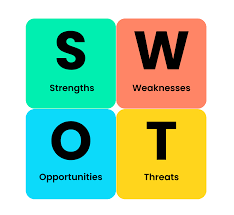
How to Run a Staff SWOT Analysis (HR Reality Check)
Let me be blunt 👇
If you don’t know your staff’s Strengths, Weaknesses, Opportunities, and Threats, you’re managing blind.
Staff SWOT helps you stop guessing and start managing with facts.
S – Strengths (What this staff member is GOOD at) ✅
Ask yourself:
What does this person do well without supervision?
Who do customers or colleagues trust?
What task do you always assign to them first?
Examples:
✅ Fast learner
✅ Reliable under pressure
✅ Strong communication
✅ Technically skilled
👉 Strengths are what you should USE more, not ignore.
W – Weaknesses (Where they struggle) ❌
This is not insult time. This is reality.
Ask:
Where do mistakes keep repeating?
What do you keep correcting?
What task do they avoid?
Examples:
❌ Poor time management
❌ Weak documentation
❌ Low attention to detail
❌ Struggles with tech
👉 If you don’t admit weaknesses, training will miss the point.
O – Opportunities (What can help them grow) ⬆️
This is where HR adds value.
Ask:
Can training fix this gap?
Can mentoring help?
Can a role change improve performance?
Examples:
⬆️ Training
⬆️ Coaching
⬆️ New tools or systems
⬆️ Promotion pathway
👉 Opportunities turn average staff into assets.
T – Threats (What can hurt performance or retention) ⚠️
This is the one HR people love to skip. Don’t.
Ask:
What might cause this staff to fail?
What might make them resign?
What external issue is affecting them?
Examples:
⚠️ Burnout
⚠️ Poor supervision
⚠️ Personal stress
⚠️ Skill becoming obsolete
👉 Ignore threats and you’ll be shocked by resignations and errors.
How to Actually Run It (No Long Grammar)
➡️ Observe the staff
➡️ Review performance records
➡️ Talk to supervisors
➡️ Ask the staff directly (yes, ask them)
➡️ Write it down — not in your head
One staff. One SWOT. Simple.
Why Staff SWOT Matters in HR
🔥 Helps you plan training properly
🔥 Improves performance management
🔥 Reduces wrong promotions
🔥 Prevents avoidable exits
🔥 Makes HR look competent
Final Truth
If you can’t SWOT your staff, you can’t develop them. Period.
📌 Step 2: Task Analysis (TNA)
Once you know the organization’s big-picture goals, the next step is to zoom in on the specific jobs that drive those goals. That’s where Task Analysis comes in.
💡 What is Task Analysis? It’s about breaking down each role into the skills, knowledge, and behaviors needed to perform it successfully. In simple terms: “What exactly does this job require, and where are employees falling short?”
🔍 What it involves:
- Role Breakdown – List out the day-to-day responsibilities of each job.
- Skill Identification – Map the technical, soft, and digital skills needed.
- Gap Spotting – Compare current employee abilities vs. required standards.
🏨 Example in Action (Hospitality): Take the Front Desk Manager role. Their responsibilities aren’t just about checking guests in. They must:
– Handle guest complaints → Conflict Resolution
🕊️ Communicate with diverse guests → Strong Communication Skills
💬 Manage new booking software → Digital System Proficiency
💻 If the manager is good at talking to guests but struggles with digital tools, training should focus on technology adoption.
📊 Research Methodologies HR Can Use:
– Job Analysis Questionnaires – Ask employees and supervisors about daily tasks.
– Observation Studies – Shadow staff to see which skills they actually use (vs. what’s written in job descriptions).
– Critical Incident Technique (CIT) – Collect real stories of success/failure to pinpoint key skills.
– Competency Mapping – Build a framework of core vs. specialized skills required for each role.
✨ Why it matters: Without task analysis, training becomes generic. But when you break down roles, you target the right skills—which means employees get exactly what they need to succeed, and businesses get better results.
💬 Reflection for HR Managers: Are your training programs based on actual job requirements, or just guesswork?
School: BrightFuture College
Location: Ibadan, Nigeria
HR Manager: Bimbo
BrightFuture College had a clear goal for the new academic year:
➡️ Improve WAEC/NECO results
➡️ Reduce parent complaints
➡️ Strengthen digital learning delivery
Instead of rushing into random teacher trainings, Bimbo, the HR Manager, paused.
She knew that before training anyone, she had to understand what each job actually required.
That’s where Task Analysis came in.
Step 1: Role Breakdown 📋
Bimbo sat with Heads of Department and listed the real daily tasks for each role:
➡️ Subject teachers – lesson planning, classroom delivery, assessment, student feedback
➡️ Class teachers – student monitoring, parent communication, behavior management
➡️ ICT teachers – e-learning tools, CBT exams, digital content support
➡️ Admin staff – records, timetables, data entry, parent inquiries
No assumptions. No guesswork. Just what the job truly involves.
Step 2: Skill Identification 🎯
Next, Bimbo mapped the skills needed to perform those tasks well:
✅ Teaching skills and subject mastery
✅ Classroom control and communication
✅ Digital skills (CBT platforms, online grading tools)
✅ Record-keeping and data accuracy
✅ Emotional intelligence when dealing with parents and students
She separated:
➡️ Technical skills
➡️ Soft skills
➡️ Digital skills
Step 3: Gap Spotting 🔍
Now came the honesty part.
Bimbo compared job requirements vs. current staff capability:
❌ Some teachers had strong subject knowledge but weak classroom control
❌ Some struggled with CBT systems and online lesson tools
❌ Admin staff made frequent errors in student records
❌ Parent complaints traced back to poor communication, not poor teaching
The problem was now clear, not emotional.
The HR Decision
Instead of one general training for everyone, Bimbo designed targeted interventions:
➡️ Classroom management training for specific teachers
➡️ ICT upskilling for CBT and digital learning
➡️ Communication training for class teachers and admin staff
➡️ Process training for records and documentation
The Outcome ✅
➡️ Improved lesson delivery
➡️ Fewer parent complaints
➡️ Smoother CBT exams
➡️ Better exam performance
➡️ Management finally saw HR as strategic, not administrative
Key Lesson for Participants
🔥 Task Analysis answers one brutal HR question:
> “What exactly must this job be done well — and who is falling short?”
🔥 When you skip Task Analysis, training becomes noise.
🔥 When you do it well, training becomes impact.
📌 Step 3: Individual Analysis (TNA)
After looking at the organization as a whole and then specific job roles, the final step is to focus on the individual employee. This is where training becomes personalized.
💡 What is Individual Analysis? It’s the process of identifying the strengths, weaknesses, aspirations, and learning needs of each employee. The goal is to make sure training isn’t “one-size-fits-all” but tailored to real human needs.
🔍 What it involves:
- Performance Review – Check how well employees are meeting their KPIs or OKRs.
- Learning Gap Assessment – Spot areas where they struggle compared to required skills.
- Career Aspiration Mapping – Understand where the employee wants to grow (leadership? technical expertise? cross-functional roles?).
- Motivation Check – Training only works if employees are motivated to apply it.
🏨 Example in Action (Hospitality):
Consider a Guest Relations Officer:
– Their performance reviews show they excel at guest satisfaction scores 🎉.
– But interviews reveal they lack confidence handling VIP guests who demand quick, luxury-level service 👔.
– Their career aspiration is to move into Guest Experience Management in the next 2 years 🚀. 👉🏽 With this insight, HR designs a custom training plan: advanced customer handling + leadership development.
📊 Tools & Research Methods:
– Surveys & Self-Assessments – Employees rate their own skills, confidence, and training preferences.
– Performance Appraisals – Objective evaluation of how well they meet goals.
– 360-Degree Feedback – Input from supervisors, peers, and sometimes even customers.
– One-on-One Interviews – HR or managers directly discuss employee aspirations.
– Psychometric & Skill Tests – Standardized tools to measure abilities and potential.
✨ Why it matters:
This step ensures training is personal, relevant, and motivating. Employees feel invested in because the company cares about their growth. At the same time, the organization benefits from people who are more skilled, engaged, and loyal.
💬 Reflection for HR Managers: Do you know your employees’ personal career goals, or are you only measuring their outputs?
Organization: Crestview Microfinance Bank
Location: Lagos
HR Manager: Yinka
Crestview Microfinance Bank needed a new Branch Operations Supervisor. Two staff members were shortlisted:
➡️ Sola – 6 years on the job, very popular
➡️ Kunle – 3 years on the job, quiet, not flashy
Instead of promoting based on seniority or noise, Yinka, the HR Manager, ran a simple Staff SWOT analysis on both.
Staff 1: Sola (Not Promoted)
SWOT Summary
Strengths ✅
✅ Strong customer relationships
✅ Confident and outspoken
✅ Good knowledge of daily operations
Weaknesses ❌
❌ Poor documentation
❌ Ignores procedures when under pressure
❌ Resists feedback
Opportunities ⬆️
⬆️ Coaching on compliance
⬆️ Leadership training
Threats ⚠️
⚠️ High compliance risk
⚠️ Could expose the branch to regulatory penalties
⚠️ Negative influence on junior staff
➡️ HR Insight:
Sola looked like a leader but carried too much risk for a supervisory role.
Staff 2: Kunle (Promoted)
SWOT Summary
Strengths ✅
✅ Strong attention to detail
✅ Excellent compliance record
✅ Calm under pressure
Weaknesses ❌
❌ Not very vocal
❌ Needs confidence development
Opportunities ⬆️
⬆️ Leadership coaching
⬆️ Mentorship
Threats ⚠️
⚠️ Risk of being overshadowed by louder personalities
➡️ HR Insight:
Kunle had lower noise but higher reliability.
The HR Decision
➡️ Kunle was promoted to Branch Operations Supervisor
➡️ Sola was retained in a customer-facing role and placed on a development plan
What Happened Next
➡️ Audit queries reduced
➡️ Team discipline improved
➡️ Errors dropped significantly
➡️ Management confidence in HR increased
Key Lesson for Participants
🔥 Promotion is not a reward. It’s a risk decision.
🔥 SWOT helps HR choose stability over popularity.
🔥 The loudest staff is not always the best leader.
📌 Learning Strategies – On-the-Job Training (OJT)
👨🏽💼👩🏼💼 Not all learning happens in classrooms or Zoom sessions. One of the most powerful ways employees learn is simply by doing the job itself — this is what we call On-the-Job Training (OJT).
💡 What is OJT? It’s a hands-on learning method where employees acquire skills in real time, while performing their daily tasks under guidance. Instead of theory-first, it’s practice-first.
🔍 How it works:
– A new recruit shadows a senior staff member and learns step by step.
– Employees practice using tools, systems, or customer interaction directly on the job.
– Managers or supervisors provide instant feedback, making corrections on the spot.
🏨 Example (Hospitality):
A new Front Desk Officer learns to use the hotel’s booking software. Instead of only reading manuals, they sit with an experienced colleague who walks them through real guest check-ins. The new officer tries it hands-on, makes small mistakes, and gets corrected immediately. By the end of the week, they’re confident handling guests on their own. 🙌
📊 Research & Methods:
– Experiential Learning Theory (Kolb) → People learn best through experience, reflection, and practice.
– Job Shadowing & Coaching → Employees pair with mentors to learn in real situations.
– Feedback Loops → Supervisors give instant corrections → faster mastery.
– Blended OJT → Combine with short e-learning modules for reinforcement.
✨ Why it works:
– Builds confidence quickly since employees learn in the real environment.
– Improves retention — people remember what they do more than what they hear.
– Saves costs compared to long external training programs.
– Creates stronger bonding between new staff and experienced employees.
💬 Reflection for HR Managers: Are you making the most of your senior staff as knowledge carriers to train the next generation, or are you over-relying on workshops that don’t stick?
📌 Learning Strategies – E-Learning & Microlearning
🌍 In today’s fast-paced world, sitting in long training sessions isn’t always realistic. That’s where E-Learning and its sharper cousin, Microlearning, come in.
💡 What is it?
– E-Learning: Online training modules that employees can access anytime, anywhere — laptops, tablets, even phones.
– Microlearning: Short, focused lessons (2–10 mins) designed to teach one concept or skill at a time. Perfect for busy professionals with limited time.
🔍 How it works:
– Employees log into a Learning Management System (LMS) and complete training at their own pace.
– Topics are broken into small, digestible chunks → videos, quizzes, simulations, or interactive slides.
– Progress is tracked digitally, giving HR managers real-time analytics on who’s learning what.
🏨 Example (Hospitality): Instead of a 3-hour workshop on “Customer Complaint Handling,” hotel staff get 10 short micro-modules:
- How to listen actively 🎧
- How to de-escalate a heated guest 😤➡️🙂
- Phrases to use in apology & empathy 🙏
- Quick role-play scenarios 🎭
By the end of the week, they’ve mastered all the skills without leaving their post for long.
📊 Research & Best Practices:
– Studies show microlearning boosts retention by up to 80% compared to traditional long training.
– Spaced repetition (revisiting key points over time) strengthens memory and application.
– Digital tools like Coursera, LinkedIn Learning, or in-house LMS platforms make rollout scalable.
✨ Why it works:
– Flexible → staff learn at their own pace, even on breaks.
– Cost-effective → no travel, no long venues, just digital modules.
– Scalable → one digital course can train 10 or 10,000 employees globally.
– Engaging → bite-sized videos, gamification, and quizzes keep attention high.
💬 Reflection for HR Managers: Instead of pulling staff out of operations for endless workshops, are you investing in digital-first, micro-sized training that fits modern attention spans?
Organization: KanoTech Solutions Ltd
Location: Kano
HR Manager: Amina
KanoTech Solutions was struggling with slow onboarding and inconsistent staff performance. New recruits and even existing employees were making mistakes on software usage, customer reporting, and internal processes. Traditional classroom training wasn’t working: long sessions were time-consuming and staff forgot most of it within a week.
Amina, the HR Manager, decided to implement E-Learning and Microlearning.
Implementation Steps
- E-Learning Modules 💻
Staff could access detailed training on software, company policies, and customer service anytime.
Each module included videos, quizzes, and interactive examples.
- Microlearning Snippets ⏱️
5-minute daily lessons on one specific task: e.g., “How to generate a weekly sales report”
Short videos and quick guides sent via mobile app or email
Reinforced learning without taking staff away from their work
The Outcome
✅ New hires ramped up 50% faster than before
✅ Errors in reports and customer logs dropped by 40%
✅ Staff engagement increased — employees could learn at their own pace
✅ Managers spent less time repeating instructions
✅ Performance metrics across departments improved noticeably
Amina’s approach showed that learning doesn’t have to stop business operations — it can run alongside it.
Key HR Takeaways
🔥 E-Learning and Microlearning make training accessible and digestible
🔥 Short, focused lessons stick better than long lectures
🔥 On-demand training reduces errors, improves consistency, and boosts productivity
📌 Learning Strategies – Coaching & Mentoring
👥 Sometimes, the best learning doesn’t come from a book or a system — it comes from people who’ve been there before. That’s where coaching and mentoring shine.
💡 What is Coaching & Mentoring?
Coaching → Short-term, focused guidance on specific skills, tasks, or performance. (Think: “I want to improve my sales pitch in 3 months.”)
Mentoring → Long-term, career-focused relationship where a senior helps shape the growth, confidence, and mindset of a junior employee. (Think: “I want to become a future HR Director — guide me on the path.”)
🔍 How it works in practice:
– A coach gives structured feedback, sets goals, and holds the employee accountable.
– A mentor shares personal experiences, career lessons, and inside knowledge of the industry.
Both approaches build trust, motivation, and direction for employees.
🏨 Example (Hospitality): A restaurant supervisor struggling with conflict management is paired with an HR coach who roleplays tough customer/employee conversations and gives constructive feedback.
💬 A young hotel receptionist with leadership potential is matched with the Front Office Manager as a mentor. Over time, the mentor not only teaches operational excellence but also builds the receptionist’s confidence and prepares them for bigger responsibilities.
🚀 📊 Research & Methods:
– GROW Model (Coaching) → Goal, Reality, Options, Will → used worldwide to structure coaching sessions.
– Social Learning Theory (Bandura) → People learn best by observing others, modeling behavior, and practicing it.
– Formal Mentorship Programs → Companies like Deloitte and Marriott use structured mentoring to retain talent.
– Reverse Mentoring → Younger employees mentor seniors in digital skills (common in tech-driven industries).
✨ Why it works:
– Boosts confidence because employees feel supported, not just judged.
– Accelerates career growth — employees get clarity on “what’s next.”
– Improves retention — people stay longer in companies where they feel guided and valued.
– Transfers institutional knowledge from experienced staff to rising talent.
💬 Reflection for HR Managers: Do you have formal mentoring structures in place, or are you leaving employee growth to chance? Who in your team could benefit today from a mentor or coach?
🔹 Career Development, Succession Planning & Mentoring Programs
HR Leaders 🚀, here’s the truth: employees don’t just want jobs anymore — they want growth, clarity, and a future. If you can’t show them a career path, they’ll go to someone who will.
That’s where career development, succession planning, and mentoring come in. Together, they form the backbone of an organization that doesn’t just fill positions but builds leaders, retains top talent, and secures long-term stability.
💡 Think of it like this:
– Career Development → equipping employees with skills and opportunities to grow.
– Succession Planning → ensuring you never face a leadership vacuum when key people leave.
– Mentoring Programs → guiding employees with personalized support and wisdom from those who’ve walked the path before.
✨ When these 3 work hand-in-hand, HR transforms into a future-proofing engine. Your people see growth, your leaders stay prepared, and your business never stalls because of sudden talent gaps.
💬 Reflection for HR Managers: Are you grooming tomorrow’s leaders today, or waiting until it’s too late?

Problem:
A senior staff member refuses to coach a junior colleague because they fear the junior might eventually take their role.
Step 1: Understand the Root Cause
➡️ Have a private conversation with the senior staff.
➡️ Ask: “What’s stopping you from coaching?”
➡️ Often it’s fear of job insecurity, not laziness.
Step 2: Reframe Coaching as Leadership
➡️ Explain that mentoring and coaching demonstrates leadership — which can be a pathway to promotion or recognition.
➡️ Highlight the personal brand benefits: someone who develops others is seen as irreplaceable, not replaceable.
Step 3: Align with Organizational Goals
➡️ Emphasize that knowledge sharing protects the team and company.
➡️ Explain that if the senior leaves unexpectedly, a junior who’s trained can keep operations smooth — otherwise the senior may look bad too.
Step 4: Incentivize Coaching
➡️ Include mentorship and coaching in KPIs or appraisals.
➡️ Recognize or reward staff who successfully train others: certificates, bonuses, or public acknowledgment.
➡️ Make it clear that training others is part of their job description.
Step 5: Make it a Structured Process
➡️ Pair coaching with formal learning plans (OJT, shadowing, or microlearning).
➡️ Define specific outcomes for the training so it’s not open-ended.
Step 6: Monitor and Support
➡️ Check in regularly to ensure coaching is happening.
➡️ Address conflicts or reluctance quickly — don’t let resentment build.
Step 7: Handle Persistent Resistance
➡️ If after coaching, incentives, and discussion the staff still refuses, HR may need to escalate:
➡️ Document the refusal
➡️ Link to job expectations / performance review
➡️ Consider reassignment if the behavior blocks organizational growth
Principle for HR Trainees:
“A star who won’t teach is a liability. Organizations succeed when knowledge flows, not when it’s hoarded.”
📌 Career Development
HR Managers, let’s face it: the #1 reason employees leave isn’t always money — it’s lack of growth. If they can’t see a future with you, they’ll build it somewhere else. That’s why career development is one of your strongest retention tools.
💡 What is Career Development?
It’s a structured approach to help employees grow within your organization. Instead of waiting for talent gaps to appear, you’re proactively shaping employees into future leaders, specialists, and innovators.
🔍 How it works:
– Internal Promotions → Recognize and elevate high performers instead of always hiring externally.
– Cross-Functional Training → Give employees exposure to other departments so they build broader skills (e.g., a finance officer learning operations).
– Leadership Programs → Train future managers with coaching, workshops, and real project responsibilities.
– Personalized Development Plans (PDPs) → Each employee gets a roadmap that aligns personal goals with business needs.
🏨 Example (Hospitality): A hotel identifies a promising front desk associate who consistently delivers high guest satisfaction scores. Instead of letting them stagnate, HR creates a plan:
Step 1 → Cross-train them in food & beverage to expand knowledge.
Step 2 → Send them to a supervisor leadership workshop.
Step 3 → Promote them to Guest Experience Supervisor within 2 years. 👉🏽 The employee feels valued, stays loyal, and the hotel saves on costly external hiring.
📊 Research & Best Practices:
– Career Pathing Tools → Platforms like Workday and SAP SuccessFactors map growth journeys.
– 70-20-10 Model → 70% learning on the job, 20% through mentoring, 10% formal training.
– Studies show that career development programs can reduce turnover by up to 40% because employees see a future with their employer.
✨ Why it matters:
– Boosts employee motivation and engagement.
– Strengthens your talent pipeline for critical roles.
– Saves money by reducing external recruitment costs.
– Positions HR as a strategic partner driving long-term business stability.
💬 Reflection for HR Managers: Do your employees see clear career ladders in your company, or are they climbing in the dark hoping for a promotion?
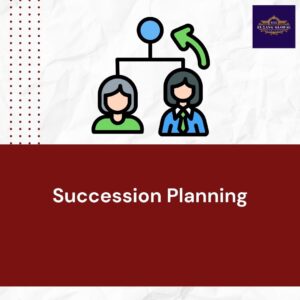
📌 Succession Planning
HR Leaders, let’s keep it real: every organization has “irreplaceable” people… until they leave. 💥 A sudden resignation, retirement, or health issue can throw operations into chaos if no one is ready to step up. That’s why succession planning is non-negotiable.
💡 What is Succession Planning? It’s the process of identifying, grooming, and preparing future leaders to take on critical roles when needed. The goal is continuity — ensuring the business doesn’t stall because a key person left.
🔍 How it works:
– Spot Talent Early → Identify high-potential employees (HiPos) who show leadership promise.
– Structured Rotations → Move them across departments to broaden their skills (finance, operations, HR, etc.).
– Leadership Readiness Training → Equip them with strategic thinking, decision-making, and people management skills.
– Emergency Planning → Always have a “ready-now” list of successors for your most vital positions.
🏨 Example (Hospitality): Take Emeka Udo, a strong Housekeeping Supervisor. Instead of leaving his career growth to chance, HR builds a plan:
Rotate him into Front Office and Food & Beverage for exposure.
– Enroll him in Operations Management training.
– Assign him a mentor (the current Head of Operations).
👉🏽 Within a few years, Emeka is ready to step into the Head of Operations role — ensuring no disruption when the position opens.
📊 Research & Best Practices:
– 9-Box Talent Grid → Popular tool to evaluate employee performance vs. potential.
– Leadership Development Programs → Used by companies like GE, Marriott, and Unilever to build strong pipelines.
– Research shows organizations with active succession planning are 1.5x more likely to outperform their peers in revenue growth and stability.
✨ Why it matters:
– Prevents leadership gaps that can damage reputation and operations.
– Builds loyalty — high-potential employees feel invested in and less likely to leave.
– Strengthens organizational resilience in times of change.
– Positions HR as the guardian of business continuity.
💬 Reflection for HR Managers: If your CEO or Operations Head resigned tomorrow, do you have someone ready to step in, or would you scramble to hire externally?
Mentoring Programs
Ok, here’s the deal: people don’t just grow from training manuals — they grow from people. That’s why mentoring remains one of the most powerful, low-cost, high-impact strategies in HR.
💡 What are Mentoring Programs?
It’s the deliberate pairing of experienced staff (mentors) with less experienced employees (mentees) to:
– Transfer practical knowledge 💡
– Build confidence 💪
– Reinforce company culture 🏢
– Guide career progression 🚀
🔍 How it works:
– Mentors share not just skills, but also stories, lessons, and networks.
– Mentees get a safe space to ask questions and learn without judgment.
– Companies foster a culture where knowledge doesn’t die when people leave — it’s passed on.
🌍 Examples Across Industries:
Hospitality: Sade Ojo mentoring new front desk recruits, showing them how to handle VIP guests with grace and warmth.
Banking: A seasoned branch manager mentors young loan officers on risk analysis and ethical lending practices.
Tech: A senior developer guides junior coders, teaching not only coding tricks but also agile teamwork.
Healthcare: An experienced nurse mentors interns on bedside manners, balancing patient care with emotional resilience.
Retail: A store manager coaches new supervisors on managing staff schedules and motivating teams during peak seasons.
📊 Research & Best Practices:
– Formal Mentorship Programs → Deloitte reports that 79% of millennials see mentoring as crucial for career success.
– Reverse Mentoring → Younger employees mentor seniors on digital tools and social media (common at firms like PwC).
– Peer Mentoring → Colleagues at the same level share skills and challenges to grow together.
✨ Why it works:
– Builds a strong leadership pipeline by preparing future managers early.
– Improves employee engagement — people feel guided and valued.
– Reduces turnover — staff stay where they see growth and support.
– Reinforces organizational culture — mentors model behaviors that define “how we do things here.”
💬 Reflection for HR Managers: Do you have a system where veterans pass the torch, or are your new hires left to figure it out alone?

Wrong actions/attitudes Mentees Do/exhibit & How HR Can Fix Them
➡️ Lack of Initiative
➡️ Solution: Set clear expectations and encourage mentees to ask questions or try tasks independently.
➡️ Not Listening
➡️ Solution: Teach active listening, recap sessions, and use follow-up tasks to ensure understanding.
➡️ Being Defensive
➡️ Solution: Coach on accepting feedback, frame criticism as growth, and model calm responses.
➡️ Avoiding Responsibility
➡️ Solution: Assign small accountable tasks and review outcomes together.
➡️ Over-Dependence
➡️ Solution: Encourage problem-solving first, then seek mentor guidance only if needed.
➡️ Not Following Through
➡️ Solution: Set deadlines, check progress, and reinforce accountability.
➡️ Disrespecting Time
➡️ Solution: Enforce punctuality, set clear schedules, and emphasize mentor’s time value.
➡️ Closed-Mindedness
➡️ Solution: Promote openness, expose mentees to new ideas, and celebrate learning efforts.
➡️ Dishonesty
➡️ Solution: Foster trust, encourage transparency, and address dishonesty immediately.
➡️ Lack of Appreciation
➡️ Solution: Encourage mentees to give feedback, acknowledge help, and model gratitude.
💡 HR Tip: A mentor-mentee relationship works best when expectations, accountability, and trust are clear from day one.
🔹 3. Advanced Performance Management Systems
HR Leaders, let’s be honest: the old-school once-a-year performance review is dead. ❌ Employees hate it, managers dread it, and businesses gain little from it. In today’s fast-changing world, performance management can’t be a tick-box ritual — it has to be a continuous, data-driven, people-focused system.
💡 What is Advanced Performance Management?
It’s the modern approach to measuring, guiding, and boosting employee performance. Instead of just “grading” people once a year, it:
🎯 Tracks performance in real time
🕒 Aligns employee goals directly with business strategy
🎯 Uses digital platforms, analytics, and feedback tools
📊 Focuses on coaching and growth, not punishment 🚀
🌍 What makes it “advanced”?
🎯 KPIs & OKRs → Clear, measurable goals aligned with strategy.
🎯 360-Degree Feedback → Input from managers, peers, subordinates, and sometimes customers.
🎯 Continuous Feedback → Regular check-ins replace the dreaded annual review.
🎯 HR Analytics → Data reveals patterns like top performers, burnout risk, or training needs.
🎯Tech Integration → Platforms like Workday, BambooHR, and SuccessFactors streamline the process.
✨ Why it matters: Companies that adopt advanced systems don’t just measure performance — they unlock potential. Employees feel seen, guided, and motivated, while leaders get the data to make smarter talent decisions.
💬 Reflection for HR Managers: Are you still managing performance with outdated scorecards, or are you equipping your people to thrive with real-time feedback and growth tools?
🔑 Key Components of Advanced Performance Management
- KPIs (Key Performance Indicators)
💡 What are KPIs?
KPIs are not just fancy numbers on a dashboard — they are the pulse check of how well a person, team, or even the entire organization is moving toward its goals. In simple terms, they are like the scoreboard in a football match ⚽: no matter how good the team “feels,” the score tells the truth. If you’re not scoring goals, you’re not winning.
⚡ Why they matter:
– Provide focus: People stop working in the dark and know exactly what “good” looks like.
– Drive accountability: No hiding behind excuses — either the target is met or it’s not.
– Align with strategy: Every KPI should link back to the bigger picture. It’s not about doing “busy work,” it’s about doing work that moves the needle.
📌 Examples of KPIs across industries:
– Sales: “Close ₦20M in new deals per quarter.” Not just chasing leads, but real revenue.
– Healthcare: “Reduce patient wait time to under 15 minutes.” Because for patients, time is often life.
– IT/Tech: “Maintain 99.9% system uptime.” Nobody notices when systems run smoothly, but the moment they crash, everyone cares.
– Education: “Achieve 85% student pass rate in external exams.” Results that show the impact of teaching quality.
– Manufacturing: “Cut production defects by 10% in 6 months.” Less waste, more profit, happier customers.
✨ Pro Tip for HR: When creating KPIs, make them SMART (Specific, Measurable, Achievable, Relevant, Time-bound). Sounds cliché, but here’s the honest truth: most companies either set KPIs that are too vague (“improve customer satisfaction”) or too unrealistic (“increase sales by 500% in one quarter”). Both approaches kill motivation. The sweet spot is a KPI that stretches people but doesn’t break them.
💬 Real Talk: If your employees feel like they’re just “ticking boxes,” your KPIs are broken. KPIs should inspire people to perform better, not just fill checklists. And remember — what gets measured gets managed, but also what gets measured sends a message about what leadership truly values.
🔑 Key Components of Advanced Performance Management
- Balanced Scorecard
💡 What is it?
The Balanced Scorecard is like a 360° camera lens for your business — it doesn’t just zoom in on profits, it captures the full picture. Instead of obsessing only over financial results (like many companies still do), it balances four critical perspectives:
- Financial: Are we making money? Are costs under control?
- Customer: Are clients satisfied, loyal, and recommending us?
- Internal Processes: How smooth and efficient are our operations?
- Learning & Growth: Are we investing in people, innovation, and future capabilities? ⚡
Why it matters:
Most companies fail not because they didn’t want to grow, but because they looked at the wrong dashboard. Focusing only on profit is like driving while staring at the fuel gauge — you’ll eventually crash. The Balanced Scorecard forces leaders to track the invisible drivers of success (customer experience, employee development, innovation) alongside the visible numbers.
📌 Examples across industries:
Banking: A bank may measure loan growth (financial), customer satisfaction scores (customer), loan approval speed (internal process), and training hours for credit officers (learning).
Healthcare: A hospital may track revenue per patient (financial), patient satisfaction surveys (customer), infection control compliance (internal process), and staff skills certification (learning).
Retail: A supermarket might monitor sales growth (financial), repeat customer rate (customer), supply chain efficiency (internal), and new product training for staff (learning).
Tech Startups: A SaaS company might look at monthly recurring revenue (financial), net promoter score (customer), deployment cycle speed (internal), and R&D investment (learning).
✨ Pro Tip for HR & Leaders: Don’t treat the Balanced Scorecard like a “tick-box” annual report. Make it living data that teams actually review and act on. If staff don’t know what’s on the scorecard, then it’s just another pretty slide for board meetings.
💬 Real Talk: Some companies love the Balanced Scorecard on paper but ignore the “learning & growth” part in reality. That’s like a football coach training players for one match but never building stamina for the whole season. If you only measure money and customers, you’re running your business like a short sprint. Add learning and growth, and you’re playing the marathon.

Organization: Greenfield Logistics Ltd
Location: Port Harcourt, Nigeria
HR Manager: Bassey
Greenfield Logistics was facing serious performance gaps: delayed deliveries, rising customer complaints, and staff dissatisfaction. Management was panicking and considering layoffs to cut costs.
Bassey, a newly hired HR Manager, knew reacting hastily could destroy morale and business operations. Instead of jumping to quick fixes, he implemented a Balanced Scorecard (BSC) to assess the organization holistically.
Step 1: Define Perspectives
Bassey mapped the scorecard across the four classic BSC perspectives:
➡️ Financial: Delivery cost per route, revenue per client
➡️ Customer: Customer satisfaction, complaint resolution time
➡️ Internal Processes: On-time deliveries, inventory accuracy, workflow efficiency
➡️ Learning & Growth: Staff training hours, skill gaps, staff engagement
Step 2: Identify Metrics & Targets
➡️ For each perspective, he set specific, measurable KPIs.
➡️ Example: Delivery error rate ≤ 3%, staff training coverage ≥ 80%, customer satisfaction ≥ 90%
Step 3: Analyze Performance & Spot Gaps
Bassey quickly discovered:
➡️ Staff lacked training on new logistics software (Learning & Growth gap)
➡️ Warehouse processes were slow and error-prone (Internal Processes gap)
➡️ Customers were unhappy due to delayed deliveries (Customer gap)
➡️ Costs were increasing due to repeated errors (Financial gap)
Step 4: Take Targeted Action
➡️ Launched microlearning sessions for software training
➡️ Redesigned warehouse workflow for efficiency
➡️ Introduced a real-time delivery tracking system
➡️ Regular staff check-ins to boost engagement
The Outcome
✅ Delivery errors dropped by 50% within 3 months
✅ Customer complaints reduced by 60%
✅ Staff morale improved — fewer resignations
✅ Revenue stabilized and costs came under control
Bassey’s Balanced Scorecard approach prevented knee-jerk layoffs and turned potential disaster into measurable improvement.
Key HR Takeaways
🔥 Balanced Scorecards give a 360° view of organizational health
🔥 Don’t react blindly — measure before acting
🔥 Training, process improvement, and engagement are interconnected levers
🔑 Key Components of Advanced Performance Management
- 360-Degree Feedback
💡 What is it?
360-Degree Feedback is like holding up a mirror with multiple reflections — not just your boss’s opinion, but insights from peers, subordinates, and even customers or external partners. The idea is simple: no single perspective can capture the full truth about performance, especially in today’s complex workplace.
⚡ Why it matters: Traditional performance reviews are one-dimensional — usually top-down and biased. They often reward “visible performance” (what the boss sees) rather than actual contribution (teamwork, leadership, collaboration). 360-Degree Feedback balances this by showing employees how they’re really perceived across the board. Sometimes it’s flattering, sometimes it’s brutal, but always useful.
📌 Examples across industries:
– Corporate HR: A manager might be praised by peers for great strategy, but subordinates highlight poor communication. The contrast drives growth.
– Healthcare: A senior nurse might be technically brilliant, but patients and junior staff reveal issues with empathy — feedback helps round out skills.
– Education: A school principal might shine in policy-making but struggle with teacher engagement. 360 feedback pinpoints blind spots.
– Tech Startups: A product lead may impress investors but frustrate engineers with unrealistic deadlines — feedback balances both views.
✨ Pro Tip for HR & Leaders: 360 is powerful only if it’s handled with care. Done wrong, it feels like office gossip wrapped in corporate branding. Done right, it builds trust and shows employees that growth matters more than punishment. Feedback should be constructive, confidential, and tied to development plans — not just dumped on staff like a bad performance review.
💬 Real Talk: Here’s the hard truth: many companies use 360-Degree Feedback as a weapon instead of a tool. If leaders don’t create a safe environment, employees will sugarcoat responses to avoid backlash, making the whole exercise useless. Worse still, some managers cherry-pick feedback that flatters them and ignore the uncomfortable bits. A true 360 culture means embracing the good, the bad, and the ugly — and then doing something about it.
👉🏽 At its best, 360-Degree Feedback transforms individual awareness, strengthens leadership pipelines, and improves culture. At its worst, it’s just an expensive survey that everyone hates filling out.
🌟 Best Practices in Performance Management
Let’s be real — performance management is either a tool that drives growth 🚀 or a dreaded annual ritual everyone rolls their eyes at 🙄. The difference?
Best practices. Here’s what separates winning organizations from the ones just ticking boxes:
🔗 1. Link Performance Metrics to Strategic Business Goals If your KPIs aren’t tied to the company’s bigger picture, then they’re just numbers on paper. When employees can clearly see how their daily work moves the business forward, motivation spikes. Example: A sales rep isn’t just “meeting quota” — they’re directly driving market expansion or product adoption. That sense of purpose fuels performance.
💬 Hard Truth: Too many companies set random, vanity metrics that look nice in reports but mean nothing for actual growth. Don’t fall into that trap.
⏱ 2. Ensure Regular Feedback & Coaching Annual reviews are outdated. You can’t coach someone once a year and expect them to improve. Today’s high-performing workplaces use continuous feedback loops — weekly check-ins, quick coaching moments, even digital tools that track progress in real time. Feedback should be timely, specific, and actionable.
💬 Hard Truth: If feedback only comes when someone messes up, you’re not managing performance — you’re firefighting.
🏆 3. Recognize High Performers to Motivate & Retain Talent Recognition is fuel. When employees feel unseen, they disengage — and eventually leave. Recognition doesn’t always mean fat bonuses (though those help 💸). It can be public appreciation, career advancement, or even meaningful one-on-one acknowledgement.
💬 Hard Truth: Many leaders underestimate recognition. They assume “paying the salary” is thanks enough. Wrong. Employees remember the moments they were genuinely valued — those moments build loyalty money can’t always buy.
✨ Bottom Line: Advanced performance management is about alignment, communication, and recognition. If your system doesn’t inspire growth and loyalty, it’s broken.
💡 4. Employee Engagement & Retention Strategies
Let’s call it as it is — people don’t just quit jobs, they quit toxic bosses, dead-end careers, and workplaces that don’t value them. 🚪💨 If your employees are disengaged, no strategy, no vision, no shiny mission statement will save your business.
Engagement isn’t about pizza Fridays 🍕 or posting “We’re a family” on the company website. Real engagement means creating an environment where employees feel heard, respected, and challenged — and where their growth matters just as much as company profits.
Retention then becomes the natural result. When people feel connected to their work, supported in their growth, and recognized for their contributions, they don’t keep one foot out the door scanning job boards. Instead, they dig in and bring their best selves every day.
💬 Hard Truth: Replacing a top performer can cost up to 200% of their annual salary. Losing talent because of poor engagement is basically burning money 🔥.
✨ Bottom Line: Employee engagement isn’t just “HR fluff.” It’s a business survival strategy. Because in today’s competitive market, talent is currency — and you can’t afford to keep losing it.
🌟 Engagement Strategies
Recognition Programs
💡 Why Recognition Matters
Here’s the truth: people don’t just work for salaries — they work for significance. A paycheck keeps the lights on, but recognition makes employees feel seen, valued, and motivated to go the extra mile. When someone’s hard work is acknowledged, it sparks pride, loyalty, and a ripple effect of positive energy across the workplace.
⚡ What it looks like in action:
– Monthly Awards: Celebrating “Employee of the Month” may sound old school, but it works when done with sincerity. It says, “We noticed you.”
– Shout-outs: Public appreciation during team meetings, newsletters, or even on Slack/WhatsApp groups can mean more than a cash bonus. Sometimes, recognition is about giving someone their flowers 🌹 while they can still smell them.
– Performance Bonuses: Linking recognition to tangible rewards — gift cards, cash incentives, or extra time off — reinforces that great work equals real benefits. 📌 Examples across industries: – Retail: A store manager praises a cashier who handled a long customer queue with patience and a smile.
– Tech: A developer gets a shout-out in a company-wide email for solving a complex bug that saved hours of downtime.
– Healthcare: Nurses are given wellness vouchers for their exceptional service during a hectic flu season.
– Education: A teacher is recognized at assembly for going above and beyond to prepare students for exams.
✨ Pro Tip for HR: Recognition only works when it’s timely, specific, and genuine. Saying “Good job” three months later doesn’t hit the same as saying, “The way you calmed that angry client today was outstanding — it saved us from losing the account.” Recognition that is vague or forced feels hollow, and employees can spot it a mile away.
💬 Real Talk: Too many companies think recognition means buying an expensive trophy once a year. In reality, recognition is about consistency and authenticity. People don’t remember the award as much as they remember how it made them feel.
🌍 Engagement Strategies
- Flexible Work Arrangements
💡 What it means:
Flexible work arrangements go beyond just “working from home.” It’s about giving employees the freedom to choose when, where, and sometimes how they work — without compromising results. This could mean adaptable schedules, hybrid models (a mix of office + remote), compressed workweeks, or even part-time contracts tailored to personal needs.
⚡ Why it matters:
– Work-life balance is no longer optional — it’s a dealbreaker. Burned-out employees won’t give their best, no matter how much you pay them.
– Talent attraction and retention: Top candidates often look at flexibility first, even before salary.
– Boosts productivity: Studies show that employees who can control their work rhythm deliver better output, not less.
– Inclusivity: Parents, caregivers, people with health conditions, and even creatives with non-linear workflows thrive better in flexible setups.
📌 Examples across industries:
— Tech: A software engineer working remotely four days a week but coming in for sprint reviews on Fridays.
— Banking: A customer service officer given the option to start at 7 a.m. and close earlier to beat traffic.
— Education: A university lecturer delivering part of the course online, freeing up time for research.
— Healthcare: Nurses using shift-swaps and shorter rotations to reduce fatigue.
— Consulting: Teams working remotely with flexible hours but required to be online during “core collaboration windows.”
✨ Pro Tip for HR & Leaders: Flexibility is not about being lax. It only works when there’s clarity on deliverables, trust, and accountability. Set clear goals, communicate expectations, and use performance tools to track progress — not micromanagement.
💬 Real Talk: Some leaders still think flexibility equals laziness. In reality, rigid 9-to-5 models often hide inefficiency. Employees sitting at desks for long hours doesn’t equal productivity. Flexibility allows people to bring their best energy when it counts most.
🔑 Engagement Strategies
- Employee Feedback & Surveys
💡 What this really means: Feedback and surveys aren’t just HR tick-the-box exercises — they’re your direct line into the heartbeat of your workforce. Think of them as a mirror: they reflect what employees are truly experiencing, whether it’s burnout, lack of recognition, or excitement about growth opportunities. When done right, surveys tell you things your staff may never say openly in a meeting or to their line manager.
⚡ Why it matters:
— Uncovers blind spots: Leaders often think they know how employees feel, but assumptions can be dead wrong.
— Boosts trust: When people see their opinions are asked and acted upon, loyalty grows.
— Drives improvement: Feedback highlights exactly where systems, leadership, or culture need work.
📌 Examples of how it works across industries:
— Retail: Store staff reporting that outdated POS systems slow down service, prompting management to upgrade tech.
— Healthcare: Nurses highlighting high stress levels in night shifts, leading to better staffing schedules.
— Tech Startups: Engineers requesting more autonomy in projects, which results in agile pods and innovation boosts.
— Education: Teachers voicing workload concerns, leading to new assistant roles to lighten grading pressure.
✨ Pro Tips for HR: — Don’t run endless surveys without follow-up. Employees hate when feedback disappears into a “black hole.”
— Keep questions simple and specific — “How do you feel about workload balance?” works better than “Rate overall satisfaction.”
— Mix quantitative (ratings, scales) with qualitative (open comments) for richer insights.
— Share back results openly, even if they’re not flattering. Transparency builds credibility.
💬 Real Talk: Feedback without action is worse than no feedback at all. It tells employees, “We heard you but don’t care enough to change.” If you’re not ready to listen and act, don’t bother sending surveys. Engagement only happens when employees see that their voices have power — otherwise, surveys become corporate wallpaper.
🎯 Engagement Strategies
- Team-Building Activities: Strengthen collaboration and morale
💡 What it really means:
Team-building isn’t just about forcing people to play icebreaker games or go on awkward retreats where everyone pretends to have fun. Done right, it’s about creating shared experiences that break down silos, build trust, and remind employees that they’re not just “co-workers” — they’re a team working toward the same goal. ⚡
Why it matters:
– Breaks barriers: Employees from different departments who hardly talk suddenly find common ground.
– Boosts morale: People who laugh, learn, or even compete together often return to work with lighter energy and better chemistry.
– Reveals leaders: In group tasks, natural problem-solvers and leaders often emerge without formal titles.
– Builds belonging: When people feel part of something bigger than their job description, they stay engaged longer.
📌 Examples of team-building done right: – Corporate: A quarterly innovation hackathon where mixed teams brainstorm solutions to real company problems.
– Healthcare: A “role-switch” day where doctors, nurses, and admin staff shadow each other to understand one another’s challenges.
– Education: A faculty sports day or trivia contest to break the academic routine.
– Remote Teams: Virtual escape rooms, online coffee breaks, or even multiplayer games that encourage teamwork without physical presence.
✨ Pro Tip for HR: Avoid the “one-size-fits-all” trap. Not every employee enjoys paintball, karaoke, or trust falls. The best team-building activities are inclusive, voluntary, and tied to company culture. Sometimes, even a well-planned lunch-and-learn can do more for morale than an expensive retreat.
💬 Real Talk: If your employees roll their eyes when they hear “team-building,” you’ve already lost them. Engagement isn’t about ticking HR boxes — it’s about making work a place where people feel connected, valued, and proud to belong.
At Gidan Zaki Hotels, employees from Front Office, Housekeeping, and Food & Beverage rarely interact. Morale is low, and small miscommunications are causing delays in guest service.
Step Taken: HR organizes a team-building retreat where employees collaborate in small projects and problem-solving challenges. Teams include:
– Hassan (Front Office)
– Fatima (Housekeeping)
– Ibrahim (Food & Beverage)
– Aisha (Marketing)
💡 What it really means:
Team-building isn’t about awkward icebreakers; it’s about shared experiences that break down silos, build trust, and help employees see each other as part of the same team working toward a common goal.
⚡ Why it matters:
– Breaks barriers: Hassan, Fatima, Ibrahim, and Aisha, who never interacted before, start collaborating efficiently.
– Boosts morale: Employees feel connected and valued.
– Improves communication: Departments that often miscommunicate now coordinate more smoothly.
Reflection: Are your employees still “co-workers” in separate silos, or are they a connected team driving the same goals?
📌 End of Day 3 – Wrap-Up & Conclusion
Key Highlights from Day 3
- Training Needs Analysis (TNA):
o Identifying skill gaps and designing targeted learning strategies ensures employees are equipped to meet organizational goals.
- Career Development, Succession Planning & Mentoring:
o Structured development programs build future leaders and reduce turnover.
o Mentoring transfers knowledge and reinforces organizational culture.
- Advanced Performance Management Systems:
o KPIs, balanced scorecards, and 360° reviews help align employee performance with strategic objectives.
o Regular feedback and recognition improve engagement and productivity.
- Employee Engagement & Retention:
o Engagement initiatives like recognition, career growth, and mentoring increase motivation and loyalty.
- Retention strategies are critical in competitive industries, including hospitality and service sectors.